Iran's Deepening Crackdown Targets Reformists Amid Escalating Dissent
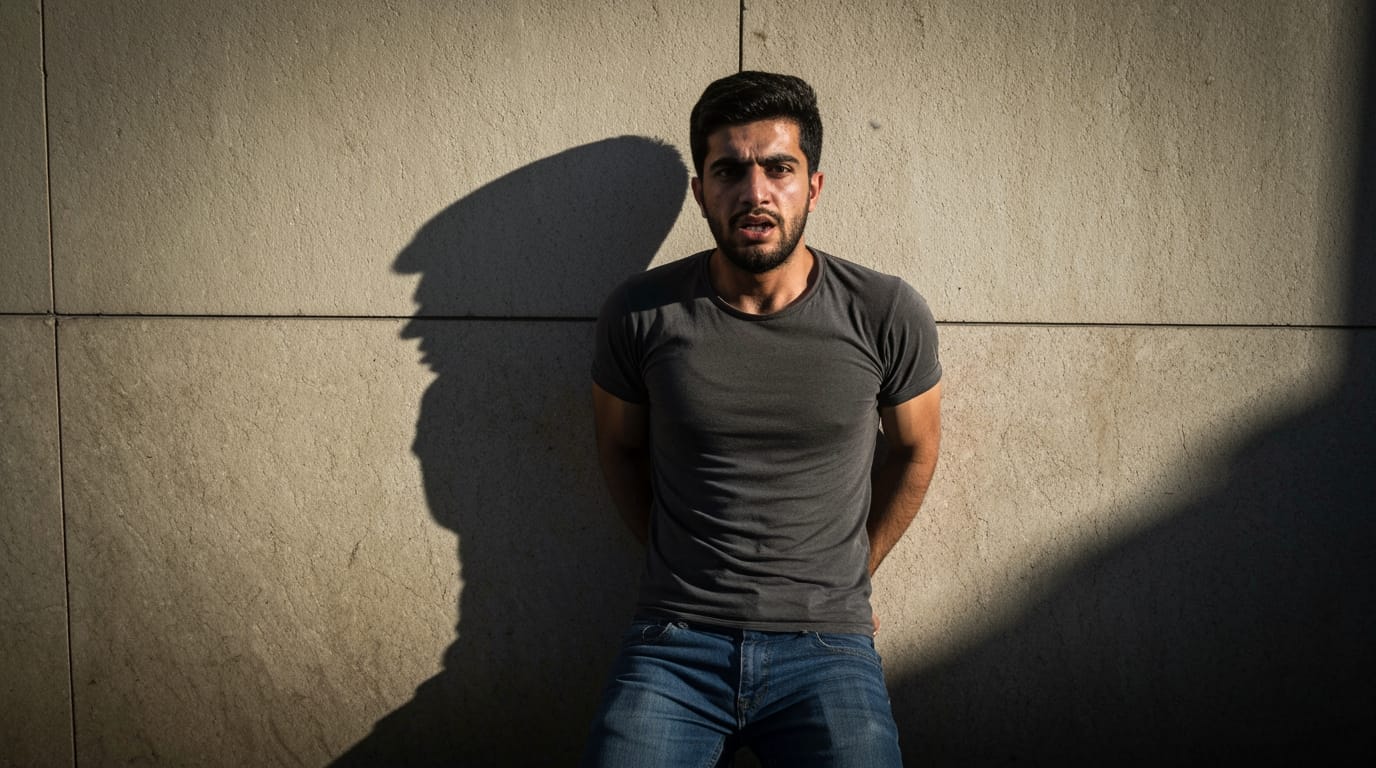
TEHRAN – Iranian authorities have escalated their extensive crackdown on dissent, recently arresting several prominent reformist figures, signaling a widening effort to stifle opposition that now extends beyond street protests to include established political voices. These detentions follow a period of intense government suppression of nationwide protests, which resulted in thousands of deaths and tens of thousands of arrests. The move against reformists underscores a determined push by the Iranian establishment to consolidate control amid persistent internal challenges and ongoing international scrutiny.
A New Phase in the Crackdown: Targeting the Political Establishment
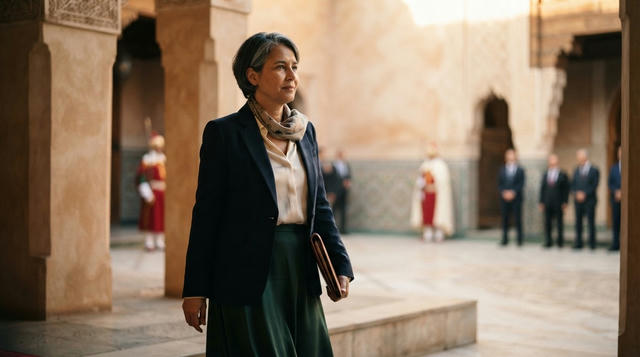
The latest wave of arrests, reported on Monday, February 9, 2026, saw at least four senior members of Iran's reformist political movement taken into custody. Among those detained are Azar Mansouri, who chairs the Reformist Front, an umbrella organization representing multiple reform-oriented political groups, and Mohsen Aminzadeh, a former diplomat who served in the government of reformist President Mohammad Khatami. Also reportedly arrested was Ebrahim Asgharzadeh, a figure known for leading the 1979 student occupation of the U.S. Embassy in Tehran. Javad Emam, spokesperson for the Reform Front, is also reported to have been detained.
These arrests appear to be directly linked to a January statement issued by reformist leaders. The statement reportedly called for Supreme Leader Ayatollah Ali Khamenei, 86, to step down and advocated for the establishment of a transitional governing council. Tehran prosecutors confirmed the arrest of four individuals, stating that others had been summoned for questioning. They accused the detainees of "organizing and leading... activities aimed at disrupting the political and social situation in the country amid military threats from the United States and the Zionist regime," according to Iran's state-run IRNA news agency. The allegations also include "taking positions against the constitution" and "coordinating with enemy propaganda." The specific charges against those detained remain unclear.
This shift from targeting street demonstrators to apprehending established political figures marks a significant expansion of the government's efforts to quash any form of opposition. An analyst with the International Crisis Group, Ali Vaez, characterized these arrests as an attempt by the government to eliminate even moderate opposition after having suppressed widespread street demonstrations.
The Broader Context of Escalating Repression
The detention of reformist leaders is not an isolated event but rather an extension of a sustained and forceful suppression campaign by Iranian authorities. This campaign intensified following widespread protests that erupted in late December 2025, initially sparked by economic grievances but quickly evolving into broader calls for systemic change. The government's response has been described by Amnesty International as the deadliest period of repression in Iran in decades, with thousands reportedly killed and over 42,300 people arrested by January 2026, according to the Human Rights Activists News Agency.
Reports indicate that security forces utilized unlawful force, including firearms and other prohibited weapons, against protestors, often aiming for vital areas such as the head and torso. In attempts to obscure the scale of the violence, authorities have imposed nationwide internet and telecommunications blackouts. The crackdown has also targeted women and girls defying compulsory veiling laws, leading to increased security patrols, harassment, mass confiscation of vehicles, and mandatory "morality" classes. Nobel Peace Prize laureate Narges Mohammadi, already imprisoned, has been handed an additional prison sentence exceeding seven years, further illustrating the determination of authorities to silence critics of the government's actions. The judiciary has directed prosecutors to show "no leniency" toward protesters and to accelerate their trials, raising significant concerns about due process and fair legal proceedings.
Iranian officials and state media have frequently labeled demonstrators as "terrorists" or collaborators with foreign intelligence agencies, such as those of the United States and Israel. This narrative serves to justify the severe state response, framing internal dissent as external threats.
The Enduring Struggle of the Reformist Movement
The reformist movement in Iran has historically sought to bring about gradual change within the framework of the Islamic Republic, advocating for greater rule of law, democracy, and political inclusion. The "reform era" is often associated with the two terms of President Mohammad Khatami, from 1997 to 2005. During this period, Khatami's platform resonated with a populace seeking reforms, but his efforts frequently encountered strong resistance and obstruction from hardline factions and unelected state bodies. This historical context highlights the inherent difficulties faced by reformists in achieving their agenda. Despite their setbacks, the movement is seen by some as a persistent force in Iranian politics.
The recent arrests of figures like Azar Mansouri, who became the head of the Reformist Front in 2023, reflect the ongoing attempts by reformists to articulate their vision for the country, even in a restrictive political environment. Their January call for the Supreme Leader to step down signifies an increasingly bold stance from a segment of the political spectrum that typically operates within the existing system.
International Response and Human Rights Concerns
The expanding crackdown in Iran has drawn significant international condemnation. The United Nations and various human rights organizations have voiced their concerns regarding the Iranian government's actions. In response to the human rights situation, several nations, including the United States and member states of the European Union, have imposed new sanctions on Iranian officials and entities. However, these international pressures have had little discernible effect on tempering the Iranian regime's policies, as highlighted by various observers.
Human rights monitors continue to document systematic violations, including arbitrary detentions, unfair trials, and widespread torture and ill-treatment of prisoners. Reports also detail the arbitrary use of the death penalty, disproportionately affecting ethnic minorities.
Conclusion: An Unpredictable Political Landscape
The recent arrests of prominent reformist figures signify a pivotal moment in Iran's political landscape, demonstrating the government's resolve to suppress any perceived challenge to its authority. By targeting those who advocate for change from within the system, the ruling establishment appears to be narrowing the already limited space for political dissent. This aggressive approach comes amidst severe internal unrest and ongoing international pressure, setting a course that suggests a continued tightening of control. The long-term implications of these actions for Iran's stability, its political future, and its relationship with the international community remain a critical point of observation. The fate of these reformist leaders, and the broader movement they represent, will likely shape the trajectory of Iran's internal dynamics in the coming months and years.