Iran's Deepening Crisis: A Nation Grapples with Conflict, Economic Strain, and Fading Hopes
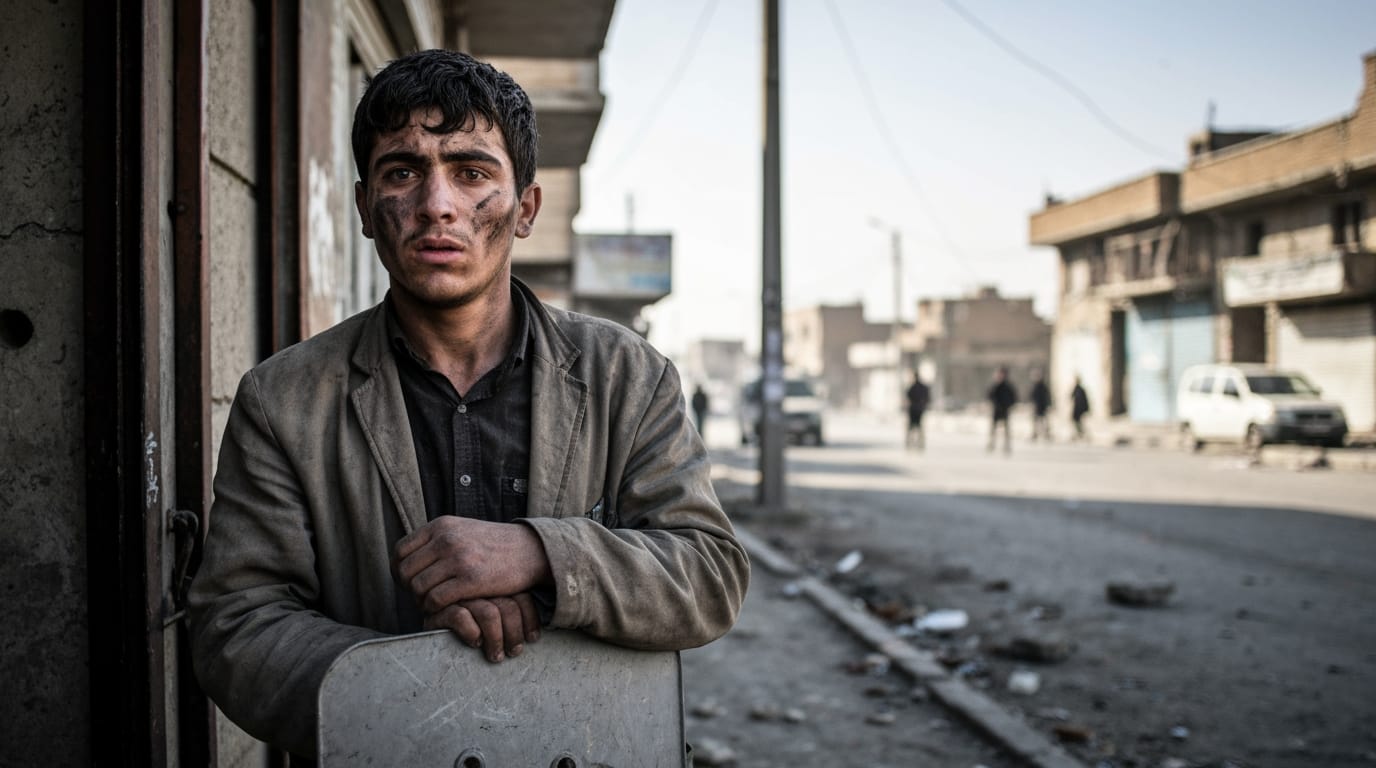
TEHRAN – A profound sense of dread has settled over Iran, replacing any lingering vestiges of hope as the nation finds itself ensnared in a widening regional conflict, a severe economic downturn, and an unrelenting crackdown on human rights. The fragile optimism that once flickered for a more open future has largely given way to a pervasive fear, impacting the daily lives of millions and raising urgent questions about the country's trajectory.
The Shadow of War and Regional Escalation
The current atmosphere of fear has been profoundly intensified by recent military actions. A sweeping military campaign launched by the United States and Israel against Iran, commencing on February 28, 2026, has seen strikes on civilian infrastructure and critical energy installations across the country. These attacks have reportedly claimed the lives of over 1,400 civilians, including at least 214 children, within the first three weeks of the conflict alone. The Iranian Red Crescent has indicated that 67,414 civilian sites, including 498 schools and 236 health facilities, have been impacted.
In response to these strikes, Iran has launched retaliatory attacks, further escalating regional tensions. Iranian forces have targeted energy infrastructure in Gulf states, including Qatar, Saudi Arabia, the United Arab Emirates, Bahrain, Oman, and Israel. A significant development has been Iran's threat to "completely close" the Strait of Hormuz, a critical choke point for global oil and liquefied natural gas supplies. The closure of the Strait of Hormuz has been described as potentially the most severe global supply disruption since the 1970s, with Brent crude oil prices surging and analysts forecasting prices could reach $100 per barrel if disruptions persist. Such a development would significantly exacerbate global inflation and heighten risks of stagflation and recession.
The conflict has triggered a humanitarian crisis within Iran, with an estimated 3.2 million people displaced internally, many fleeing major cities like Tehran for rural areas. This mass displacement is compounding existing pressures on an already struggling populace. Ordinary citizens are grappling with the psychological toll of explosions and the constant uncertainty, with individuals expressing a cycle of pro-war and anti-war sentiments as they witness the unfolding devastation. The war's impact extends beyond direct casualties and displacement, contributing to electricity disruptions and shortages of essential goods, from medicine and infant formula to fuel.
A Crumbling Economy and Widespread Public Discontent
Beneath the immediate strains of conflict, Iran's economy continues to grapple with deep-seated structural issues and international sanctions that have crippled its ability to provide for its citizens. The country's economy is experiencing one of its most challenging periods in years, marked by high inflation and a dramatic depreciation of its national currency, the rial. The rial's value has plummeted significantly, falling from around 817,000 rials per US dollar at the start of last year to between 1.42 and 1.47 million rials by late 2025 on the parallel market. This collapse has pushed inflation to above 40%, making it increasingly difficult for most Iranians to afford basic necessities.
The economic hardship has fueled widespread public protests, particularly evident in December 2025. These demonstrations began with shopkeepers in Tehran's Grand Bazaar protesting soaring inflation, the collapsing currency, and deteriorating living conditions, quickly evolving into nationwide anti-government expressions of discontent. While officials acknowledge the right to protest economic conditions, the government has responded with force, leading to mass arrests and casualties. The deep reliance on oil and gas exports has become a significant vulnerability due to international sanctions, which restrict access to the international financial system and limit oil revenues. This has led to a depletion of foreign exchange reserves, hindering the government's ability to stabilize the currency and adequately invest in infrastructure. Iran also faces a daily natural gas deficit, severely impacting industrial production and contributing to energy crises. High unemployment, particularly among the youth, further exacerbates social discontent and heightens the risk of future political instability.
Systemic Human Rights Abuses and Deepening Repression
The ongoing conflicts and economic woes are unfolding against a backdrop of severe and systemic human rights abuses within Iran. International organizations continue to report an extremely poor human rights situation, with authorities intensifying their suppression of fundamental freedoms. Women and girls face pervasive discrimination and violence, with increased crackdowns on those who defy compulsory veiling laws. Ethnic and religious minorities, including the Baha'i community, also experience systemic discrimination and persecution, which Human Rights Watch describes as a crime against humanity.
Freedoms of expression, association, and peaceful assembly are severely curtailed, leading to the arbitrary detention of thousands, including children, journalists, artists, academics, and human rights defenders. Reports detail widespread and systematic use of torture and other ill-treatment, enforced disappearances, and unfair trials. Cruel and inhuman punishments, such as flogging and amputation, are routinely implemented, with courts issuing hundreds of flogging sentences.
The use of the death penalty remains a grave concern, with an alarming increase in executions. More than 400 people were executed in the first half of 2024 alone, some for crimes committed as children or on vague national security charges. Systemic impunity prevails for officials involved in unlawful killings, torture, and other grave human rights violations. Authorities have also targeted families seeking justice for victims of past protests, further stifling dissent. Internet shutdowns are frequently employed to conceal abuses and disrupt communication during periods of unrest, making it challenging for Iranians to connect with the outside world.
The Fading Echo of Hope
For many Iranians, the current climate represents a profound disillusionment, a stark contrast to earlier periods when hopes for reform or greater engagement with the international community briefly emerged. While there have been historical moments, such as the initial post-revolution optimism or the hopes surrounding the 2015 Joint Comprehensive Plan of Action (JCPOA), these have often been short-lived or ultimately undermined by internal and external pressures. The aspiration for a more democratic and rights-respecting future, deeply felt by many, particularly women and youth, is now overshadowed by daily struggles for survival and the looming threat of violence.
The resilience of the Iranian people, however, continues to manifest in various forms, from enduring protests against economic hardship and government policies to the ongoing fight for fundamental rights by women and activists. Yet, the pervasive sentiment is one where even hope itself has become uncertain, existing in a precarious balance with deepening fear. This constant tension between longing for change and the grim reality of conflict and repression defines the current human experience in Iran.
As the conflict rages on, fueled by regional rivalries and international interventions, the cycle of violence, economic decline, and human rights abuses continues to tighten its grip on Iran. The future remains profoundly uncertain, but for the millions caught in the vortex of this escalating crisis, the immediate reality is one where hope struggles to survive amidst an overwhelming tide of fear.


