Lebanon Grapples with Unprecedented Humanitarian Catastrophe as Fighting Intensifies
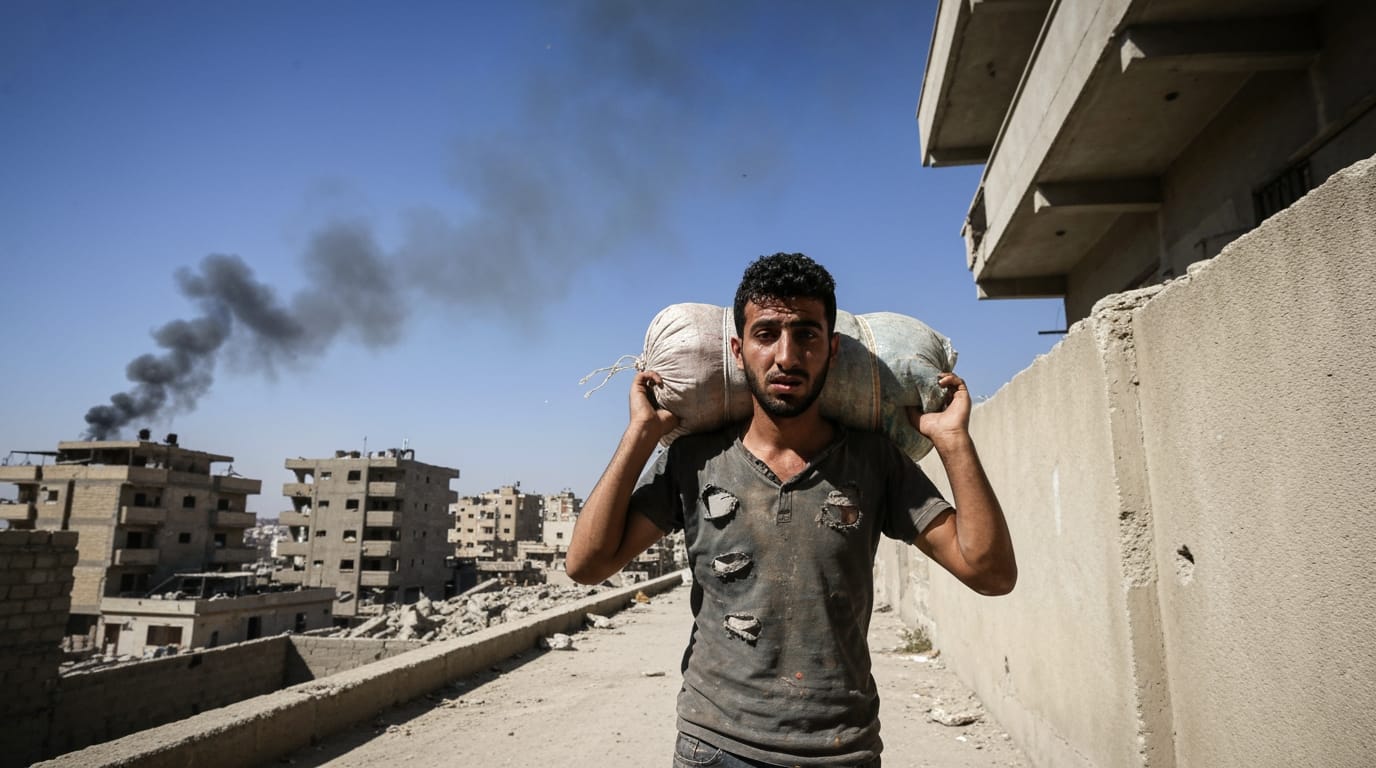
BEIRUT – Lebanon is mired in a rapidly deepening humanitarian crisis, with ongoing fighting exacerbating an already dire situation across the nation. Millions are grappling with displacement, acute food insecurity, collapsing healthcare systems, and severely disrupted education, painting a bleak picture for a country teetering on the brink of widespread collapse. The escalation of conflict, particularly since September 2024, has pushed Lebanon into its largest displacement crisis in decades, compounding years of economic hardship and political instability.
Mass Displacement Reaches Critical Levels
The current conflict has triggered a monumental displacement crisis within Lebanon, forcing over 1 million people from their homes, with some estimates reaching 1.2 million. This surpasses the scale of displacement witnessed during the 2006 war, underscoring the severity of the recent hostilities. The majority of those displaced originate from southern Lebanon, the Bekaa Valley, and the southern suburbs of Beirut, regions heavily impacted by the fighting. Many families have been compelled to seek refuge in overcrowded shelters, while others face the hardship of living in the open or have fled across the border into Syria.
The humanitarian burden falls disproportionately on already vulnerable populations, particularly Palestinian and Syrian refugees who have faced multiple displacements over decades. Their precarious legal status often limits access to protection and aid, rendering them among the most at-risk groups. While a ceasefire was announced in November 2024, enabling many to return, nearly 100,000 individuals remained displaced as of March 2025, unable to go home due to continued insecurity and extensive destruction.
Food Insecurity Plagues a Vulnerable Population
Lebanon's prolonged economic crisis and the intensified fighting have plunged nearly a third of its population into acute food insecurity. Between April and September 2024, an estimated 1.26 million people—23 percent of the analyzed population—were facing high levels of acute food insecurity, categorized as IPC Phase 3 (Crisis) or above. This included 85,000 individuals experiencing emergency levels, classified as IPC Phase 4. By early 2025, these numbers surged to 1.65 million people in crisis or emergency levels, with the number facing emergency conditions doubling to over 200,000.
The deepening food crisis is directly linked to the conflict's escalation, coupled with cuts to humanitarian food assistance and rampant inflation. The destruction of agricultural land and assets has been catastrophic; approximately 12,000 hectares of farmland have been burned, resulting in losses exceeding $1 billion in the agricultural sector alone. This devastation further undermines the country's ability to feed its population, with nearly half of Lebanese households struggling to afford basic foodstuffs. The World Food Programme (WFP) responded by providing assistance to 750,000 people in 2024 and aims to reach 2.5 million in 2025, including a significant number of Syrian refugees. Malnutrition, particularly among young children, has become a critical concern, with a staggering three out of four children under the age of five consuming diets lacking essential diversity.
Healthcare System on the Brink of Collapse
The nation's healthcare system, already severely weakened by years of economic turmoil, the COVID-19 pandemic, and the 2020 Beirut port explosion, is now facing an unprecedented strain due to the ongoing conflict. Since September 2024, attacks on healthcare infrastructure have intensified, pushing the system to its breaking point. A significant number of medical facilities, including 15 out of 153 hospitals, have either ceased operations entirely or are only partially functioning. The Nabatieh governorate, for instance, has lost 40 percent of its hospital bed capacity.
The conflict has also severely impacted essential services beyond direct medical care. As of October 2024, 25 water facilities sustained damage, affecting access to clean water for approximately 300,000 people. The violence has taken a heavy toll on medical personnel; between October 2023 and November 2024, 226 health workers and patients were killed and 199 injured. In 2024 alone, 485 incidents of violence against healthcare were recorded, resulting in 408 health worker fatalities and 419 injuries. Furthermore, the ongoing economic collapse and supply chain disruptions severely hinder the procurement of crucial medical supplies, complicating treatment for both conflict-related injuries and routine health conditions.
Education in Peril Amidst Chronic Instability
The fighting has dealt another severe blow to Lebanon's education sector, which was already struggling with the cumulative effects of economic crisis, political instability, and the COVID-19 pandemic. Over 500,000 students and 45,000 teachers were directly impacted by the hostilities in late 2024. A critical consequence has been the conversion of half of Lebanon's public schools—around 500 institutions—into shelters for displaced individuals, leading to the sixth consecutive year of significant educational disruption.
Nearly half of all school and university students have been displaced, with approximately 40 percent of university students forced to abandon their studies. Children face immense psychological trauma, with over 80 percent reporting emotional stress, anxiety, or nervousness during the war. The prolonged absence from school increases the risk of child labor, as families struggle to cope with economic hardships. Despite these overwhelming challenges, the European Union is adapting its education response to facilitate remote learning for 50,000 students and provide digital training for 8,000 teachers, aiming to reach 150,000 children and young people through combined in-person and community-based programs.
International Aid and the Path Forward
The international community has stepped up efforts to address Lebanon's escalating humanitarian crisis, though funding remains a significant challenge. The United States pledged nearly $157 million in new humanitarian assistance in October 2024 to support displaced populations and host communities. The European Union has substantially increased its aid, providing over €971 million in humanitarian assistance since 2011. In late 2024, it launched a Humanitarian Air Bridge and recently allocated an additional €100 million in humanitarian aid as part of a €1 billion financial support package spanning 2024-2027. These efforts include deploying mobile medical units, adapting education services, and providing cash aid to vulnerable households.
Despite these contributions, the 2024 Lebanon humanitarian appeal was underfunded, and the growing needs continue to outpace available resources. The country's economic contraction deepened by an estimated 6.6 percent in 2024 due to the conflict, bringing the cumulative decline in real GDP since 2019 to over 38 percent. This economic downturn, coupled with extensive damage to infrastructure—including 90,076 affected structures and 23,489 completely destroyed—makes recovery an arduous task. As the humanitarian crisis deepens, the urgent need for a sustained cessation of hostilities and robust international support for reconstruction and reform remains paramount to prevent further suffering and secure a stable future for Lebanon.


