Iran's Dowry Law Changes Ignite Debate, Further Eroding Women's Financial Security
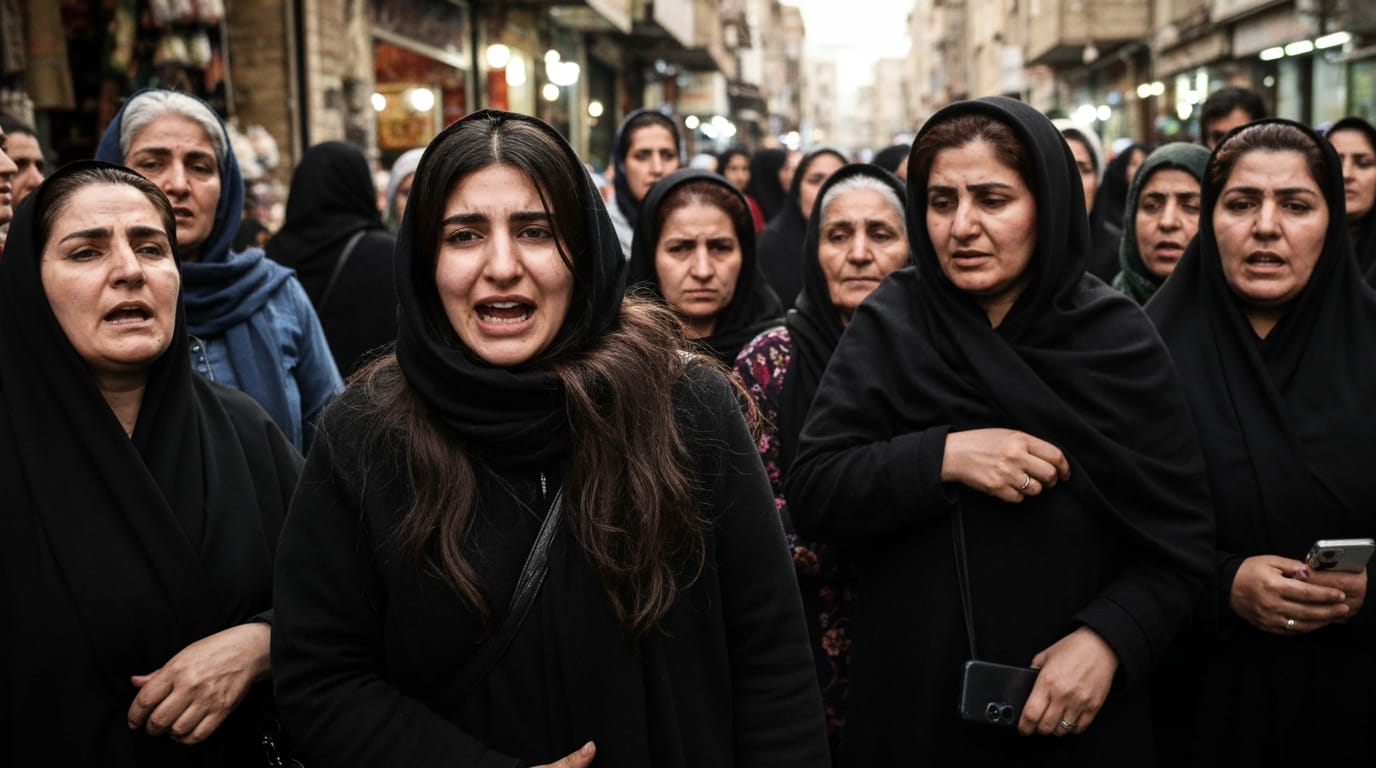
TEHRAN – Recent legislative amendments in Iran targeting the enforcement of mehrieh, or dowry, have ignited widespread debate, with critics warning that the changes further diminish women's already limited financial protections and legal standing within the Islamic Republic. The parliamentary decision to drastically reduce the threshold for criminal enforcement of dowry payments is viewed by many as another significant step in a broader trend of restricting women's rights in the country.
The changes, passed as part of a larger bill aimed at curbing the criminalization of debt, specifically cut the ceiling for which non-payment of mehrieh can lead to criminal penalties from 110 gold coins to just 14. While proponents of the reform argue it will alleviate the burden on thousands of men imprisoned for unpaid dowries, with some estimates suggesting over 25,000 men have been jailed for such debts, legal scholars and women's rights advocates contend the move disproportionately impacts women, stripping them of one of their few enforceable financial safeguards. This legislative shift comes amidst ongoing concerns from international bodies and human rights organizations regarding the escalating erosion of women's autonomy and fundamental rights in Iran across various legal and social domains.
The Shifting Landscape of Mehrieh
In Iranian Shiite Islamic tradition, mehrieh is a gift of value promised by the groom to the bride at the time of marriage, often comprising gold coins, property, or other assets. Unlike a Western dowry, which is typically brought by the bride to the marriage, mehrieh is an obligation from the husband to the wife and is legally treated as a debt payable on demand, at divorce, or from the husband's estate upon his death. For decades, the ability to criminally enforce mehrieh payments provided women with a crucial bargaining tool and a form of financial security, particularly in a legal system that heavily favors men in matters of divorce, child custody, and inheritance. Without the threat of criminal consequences, many fear women, especially those without independent incomes, will be left to pursue claims through lengthy and often fruitless civil litigation.
Prior to these recent changes, the process of claiming mehrieh was already fraught with difficulties. Men often transferred assets to relatives to avoid payment, and legal loopholes existed that allowed property deemed "essential to maintaining an honorable social life" to be exempt from confiscation. The new legislation effectively weakens women's position further by making it significantly harder to compel payment, as men unable to pay more than the 14-coin threshold may now only face an electronic ankle monitor rather than jail time, with the remaining debt pursued through less impactful civil means.
A Critical Lifeline for Women Undermined
The significance of mehrieh for Iranian women cannot be overstated. In a country where the legal framework contains numerous provisions disadvantaging women, including unilateral divorce rights for men, restrictions on women's ability to work or travel without their husband's permission, and unequal inheritance laws, mehrieh has often served as a critical financial safety net. Women must establish serious grounds to obtain a divorce, making the mehrieh one of the few enforceable financial safeguards available to them. Legal scholar Mohsen Borhani was among the first to raise concerns about the proposed changes, noting that mehrieh remains "one of the few practical tools women have in a system where laws and practices heavily favor men." The concern is that the new law, framed as a measure to reduce male imprisonment for debt, inadvertently strips women of this vital protection, alienating the public from religious principles by limiting women's rights in the name of Sharia.
Broader Context of Eroding Rights
The changes to the mehrieh law are not isolated incidents but rather part of a larger pattern of legislative actions that have progressively curtailed women's rights and autonomy in Iran. In recent years, the Iranian parliament has approved several restrictive laws that have drawn international condemnation. For instance, the "Law on Protecting the Family through the Promotion of the Culture of Chastity and Hijab," which came into effect in December 2024, imposes severe penalties for non-compliance with compulsory veiling, including heavy fines, flogging, lengthy prison sentences, travel bans, and restrictions on education and employment. Some articles of this law even mandate the death penalty for certain hijab-related offenses, signaling an alarming escalation in punitive measures against women.
Beyond dress codes and financial entitlements, Iranian women face systemic discrimination in other fundamental areas. The legal age of marriage for girls remains low, at 13, with provisions allowing girls as young as 8 years and 9 months (9 lunar years) to marry with paternal or judicial consent, contributing to a high incidence of child marriage. Women's testimonies in court often hold less legal weight than men's, and they are entitled to lesser compensation for rights violations. Furthermore, women continue to be underrepresented in political and economic spheres, facing barriers to employment and leadership roles, and requiring male guardian permission for many aspects of their lives, including travel and certain jobs.
Implications for Iranian Society
These legislative changes have profound implications for Iranian society, particularly for women and families. While lawmakers supporting the mehrieh reform argue for the reduction of male imprisonment, critics warn of an increase in women's vulnerability and economic insecurity, potentially leading to more instability within marital relationships. The continued legislative efforts to restrict women's rights are seen by many as a direct response to widespread protests, such as the "Woman, Life, Freedom" movement, which highlighted a deep-seated desire for greater freedoms and equality among Iranian women. Instead of addressing these demands through fundamental reforms, the government appears to be doubling down on repressive measures, intensifying control over women's lives in both public and private spheres. The latest adjustments to the mehrieh law contribute to an environment where women's legal protections are systematically dismantled, leaving them with fewer avenues for justice and financial independence.


