Iran's Environmental Catastrophe Deepens, Threatening Stability
Iran faces an escalating environmental crisis, a convergence of severe water shortages, rampant air pollution, widespread land subsidence, and energy failures, profoundly impacting the nation's stability and the daily lives of its citizens. This environmental breakdown, exacerbated by climate change, inefficient resource management, and decades of policy missteps, has transitioned from a background concern to an immediate existential threat, fueling social unrest and challenging the very fabric of governance. The multifaceted ecological challenges intertwine with pre-existing economic and political difficulties, creating a complex and volatile situation for the country.
The Drying Wells and Sinking Earth
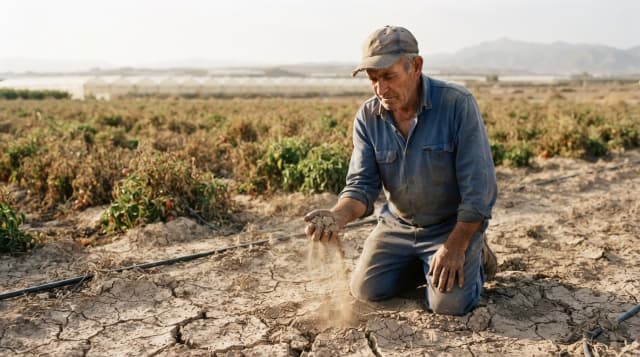
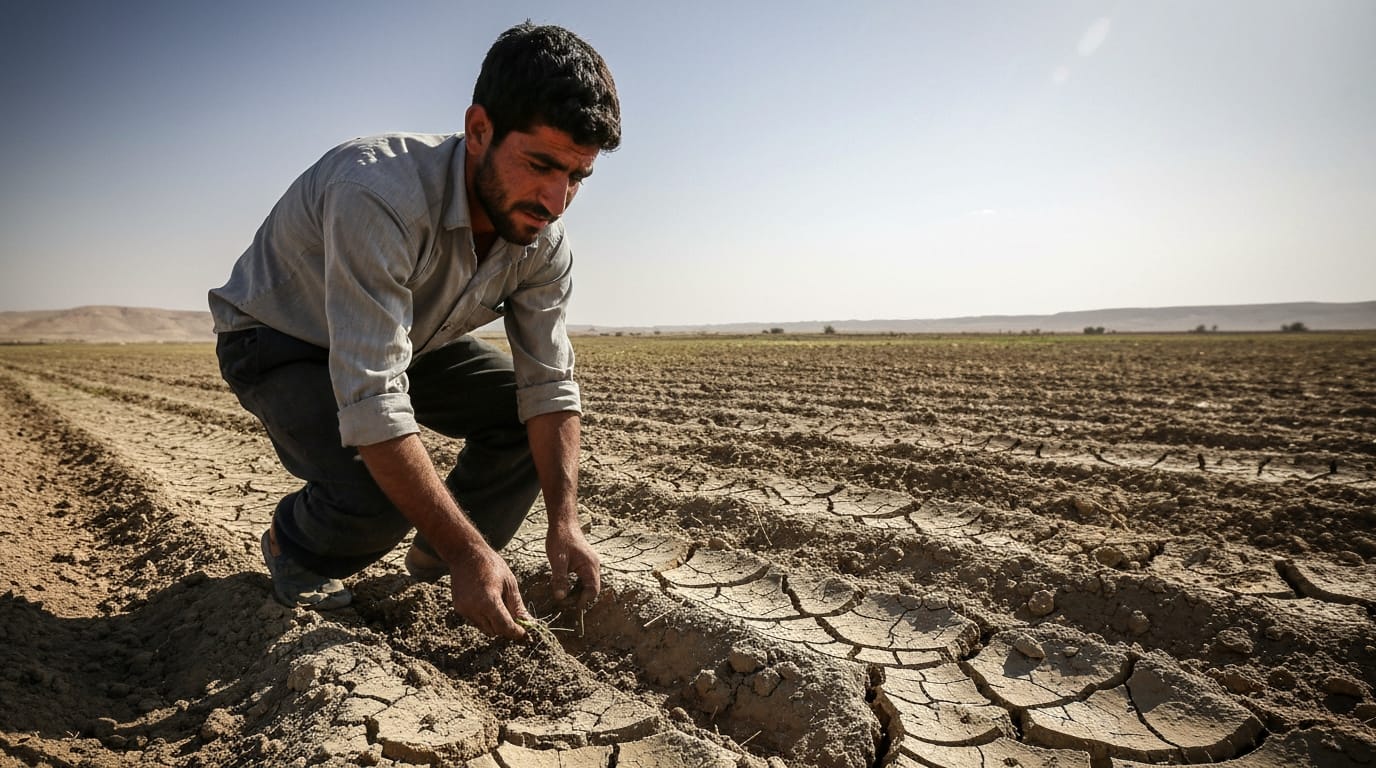
At the core of Iran's environmental woes is an acute water crisis, driven by a combination of prolonged drought, increased population, and unsustainable water management practices. For five years, the nation has grappled with a drought made more severe by climate change, leading to significantly reduced rainfall; Tehran, for instance, experienced 42% less rainfall than its long-term average last year. This has critically depleted surface water sources, with 19 of Iran's dams reporting levels between 3% and 15% of their capacity. Simultaneously, excessive pumping of groundwater, fueled by agricultural expansion, energy subsidies, and weak regulation, has led to a staggering loss of approximately 211 cubic kilometers of groundwater between 2003 and 2019, equivalent to twice the country's annual water consumption. This relentless exploitation of aquifers has pushed the country toward "water bankruptcy."
The consequences of this groundwater depletion are stark and far-reaching. Land subsidence, a phenomenon where the ground level sinks due to the removal of subterranean water, has emerged as a severe threat, with rates reaching up to 30 centimeters per year in some regions. Areas around Tehran, the agricultural hub of Rafsanjan, and the city of Mashhad are subsiding at alarming rates of nearly 10 centimeters annually. An estimated 14 million people, more than one-fifth of the Iranian population, reside in areas affected by land subsidence, risking the integrity of infrastructure and agricultural lands. This crisis is so pronounced that authorities have publicly acknowledged difficulties in supplying drinking water to the capital, with rainfall being the only short-term relief.
A Choking Haze and Shifting Sands
Beyond the critical water scarcity, Iranian cities, particularly the capital, are struggling with severe air pollution, rendering living conditions increasingly challenging. Official estimates attribute approximately 58,000 deaths annually to air pollution, highlighting the grave public health implications of this crisis. This pervasive urban smog is often exacerbated by industrial activities, vehicle emissions, and, crucially, dust storms originating from expanding desertified areas.
Desertification, fueled by wind erosion and the degradation of agricultural land, is another major environmental challenge. As fertile topsoil erodes and water bodies shrink, previously productive land becomes barren, leading to an increase in dust storms that blanket urban centers and rural areas alike. This ongoing process further strains agricultural production, increasing demand on the remaining arable areas and contributing to a cycle of environmental degradation. Biodiversity across the country is also under significant threat from these combined environmental pressures.
Ripple Effects: Economy, Health, and Unrest
The environmental crises are not isolated problems; they act as powerful destabilizers, profoundly affecting Iran's economy, public health, and social cohesion. Agriculture, a sector employing nearly a fifth of the workforce and consuming over 90% of the national water supply, is particularly vulnerable. The inability to restructure this water-intensive sector without triggering further social shocks underscores a deep-seated economic dilemma, as modernization would require investments that current budgets cannot support. Water and electricity shortages are now a daily reality in many parts of the country, leading to frequent blackouts and disruptions to daily life.
The direct impact on public health from air pollution, as evidenced by the high annual death toll, adds immense pressure on the healthcare system and diminishes the quality of life for millions. These environmental hardships have also emerged as a significant factor in growing public discontent and protests across Iran. Citizens are increasingly responding to a state that struggles to reliably provide basic necessities like water to drink, air to breathe, and stable land to live on. The environmental breakdown, therefore, is not merely an ecological concern but a fundamental threat to the social contract, compelling citizens to question the state's capacity and right to rule. The convergence of environmental, economic, and political pressures creates a "structural collapse of the systems that make governance possible," pushing many to the brink of survival.
Navigating a Multi-Front Battle
The Iranian government acknowledges the gravity of these crises. President Masoud Pezeshkian has openly spoken about the severe shortages of water, electricity, and gas, admitting that dams are nearly empty and wells are running dry. Attempts to mitigate the water crisis include measures like cloud-seeding, an experimental technique to induce rainfall, although its effectiveness in addressing the root causes remains varied. Appeals to citizens for significant cuts in water consumption, such as a 25% reduction in Tehran, have been made, alongside plans to halt construction in the capital for two years to conserve resources.
However, addressing these deeply entrenched environmental problems is compounded by a complex interplay of factors. Sanctions, past mistakes in policy, and governmental neglect have all contributed to the current predicament. The challenges are immense, requiring not only significant financial and human resources but also a fundamental shift in resource management, industrial practices, and agricultural methods. The inability to quickly restructure the agricultural sector without causing new social upheaval highlights the delicate balance authorities must strike. While collaboration among public, private, and non-profit sectors, along with increased awareness and education, offers potential pathways for a more positive environmental future, the immediate challenges remain formidable.
A Nation at an Environmental Crossroads
Iran stands at a critical environmental crossroads, where a confluence of ecological disasters is exacerbating existing societal and governance challenges. The severe depletion of water resources, the physical sinking of land, and the pervasive pollution of air represent not just environmental degradation but a profound threat to human security and national stability. The struggles for water, clean air, and stable ground are driving social tensions and deepening the economic crisis. The government's attempts to manage these issues are challenged by their scale, the complexity of their causes, and the intertwined nature of the environmental crisis with broader political and economic pressures. The future trajectory of Iran will undoubtedly be shaped by its capacity to confront and mitigate these mounting environmental troubles, which have become an inseparable part of the nation's ongoing struggles.