Iran's Revolutionary Guards Launch Major Drills in Strategically Vital Strait of Hormuz
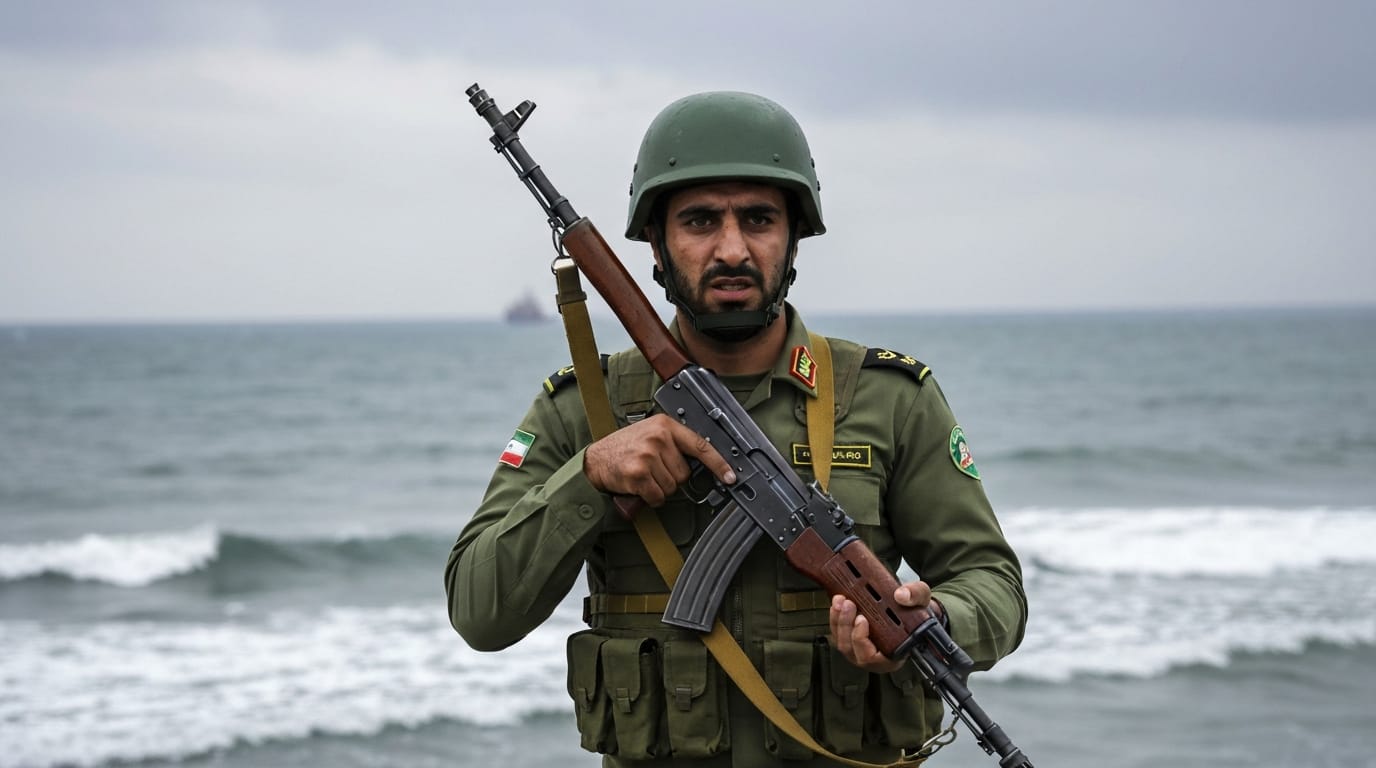
Iran's Islamic Revolutionary Guard Corps (IRGC) has commenced extensive military exercises in the Strait of Hormuz and surrounding waters, signaling a potent display of its naval and missile capabilities in one of the world's most critical maritime chokepoints. The maneuvers, involving a wide array of naval vessels, drones, and missile systems, underscore Tehran's asserted readiness to defend its maritime interests and project deterrence in a region consistently marked by geopolitical tension and the delicate balance of international trade.
The Drills Unfold: A Show of Force
The latest iteration of Iran's "Great Prophet" military drills has seen IRGC naval units execute complex scenarios across a vast expanse of the Persian Gulf, the Strait of Hormuz, and into the northern Indian Ocean. These multi-day exercises are designed to simulate defense strategies against perceived threats and enhance the operational readiness of Iran's armed forces. Reports indicate the involvement of fast attack craft, which form a significant component of the IRGC Navy, alongside longer-range missile systems capable of targeting both land and sea assets. Drones, a rapidly evolving aspect of Iran's military doctrine, also played a central role, conducting reconnaissance and simulating attack missions, demonstrating their integration into Iran's layered defense strategy. Iranian military officials have characterized the exercises as a routine yet crucial effort to test new equipment, refine tactical coordination, and ensure the nation's capacity for swift and decisive response to any aggression.
The World's Oil Artery: Strait of Hormuz's Global Significance
The choice of the Strait of Hormuz as the primary venue for these drills is far from coincidental, highlighting its unparalleled strategic importance on the global stage. This narrow waterway, which connects the Persian Gulf to the Arabian Sea, serves as the only sea passage from the oil-rich states of the Gulf to the open ocean. Approximately 20% of the world's total petroleum consumption, including nearly all oil exports from Saudi Arabia, Iran, Iraq, Kuwait, Qatar, and the United Arab Emirates, transits through the Strait. This translates to millions of barrels of crude oil and refined petroleum products daily, making it a critical artery for global energy markets and an indispensable component of international trade. Any significant disruption to traffic in the Strait of Hormuz could send shockwaves through the global economy, impacting energy prices, supply chains, and political stability far beyond the Middle East. The Strait, at its narrowest point, is just 21 nautical miles wide, making it a highly vulnerable chokepoint susceptible to blockades or attacks, a reality that continually fuels international concern during periods of heightened military activity.
Undercurrents of Tension: A History of Flashpoints
These latest drills occur within a broader context of enduring regional tensions and a history of flashpoints involving Iran and international maritime forces. The waters around the Strait of Hormuz have frequently been the stage for confrontations and incidents, including attacks on commercial shipping, seizures of tankers, and naval standoffs. The presence of the U.S. Navy's Fifth Fleet in Bahrain, tasked with ensuring maritime security in the region, often places it in close proximity to Iranian naval operations, leading to occasional tense encounters. Gulf Arab states, heavily reliant on the Strait for their energy exports, consistently express concerns over Iranian military maneuvers, viewing them as potential destabilizing actions that could imperil regional security and economic prosperity. These drills, therefore, are not merely internal exercises but are widely interpreted as a clear message from Tehran to both regional rivals and international powers regarding its resolve and capabilities in maintaining its influence over the critical waterway.
Iran's Message and Evolving Capabilities
For Iran, these exercises are multifaceted, serving both defensive and deterrent purposes. Iranian military leaders have consistently stated that the drills are a necessary component of the nation's defense doctrine, designed to ensure its sovereignty and readiness against external threats. They aim to demonstrate Iran's capacity to protect its coastline, offshore interests, and maritime trade routes. Simultaneously, the drills project a powerful deterrent message to adversaries, showcasing the IRGC's ability to potentially disrupt vital shipping lanes if Iran's interests are threatened. The increasing sophistication of the assets employed, particularly in areas like drone technology and precision-guided missiles, points to Iran's continuous efforts to modernize its military capabilities despite international sanctions. These advancements allow Iran to employ asymmetrical tactics, presenting a significant challenge to conventional naval forces and underscoring its strategic importance in the regional power balance.
Navigating a Volatile Chokepoint
The extensive military exercises by Iran's Revolutionary Guards in the Strait of Hormuz serve as a stark reminder of the volatile security landscape in the Persian Gulf region. While Iran frames these drills as essential for national defense and readiness, their timing and location inevitably amplify geopolitical anxieties. The Strait of Hormuz remains an irreplaceable artery for global energy, and any actions that heighten instability there carry profound international implications. As the drills conclude, the international community will continue to closely monitor the delicate balance of power, recognizing that the ongoing interplay of military posturing, strategic interests, and regional rivalries will dictate the future trajectory of stability in this vital maritime corridor. The continued navigation of this complex strategic environment requires vigilance, diplomatic engagement, and a clear understanding of the high stakes involved for global energy security and peace.


