Iraq Embraces Solar Power as Scorching Summer Looms and Blackouts Threaten Stability
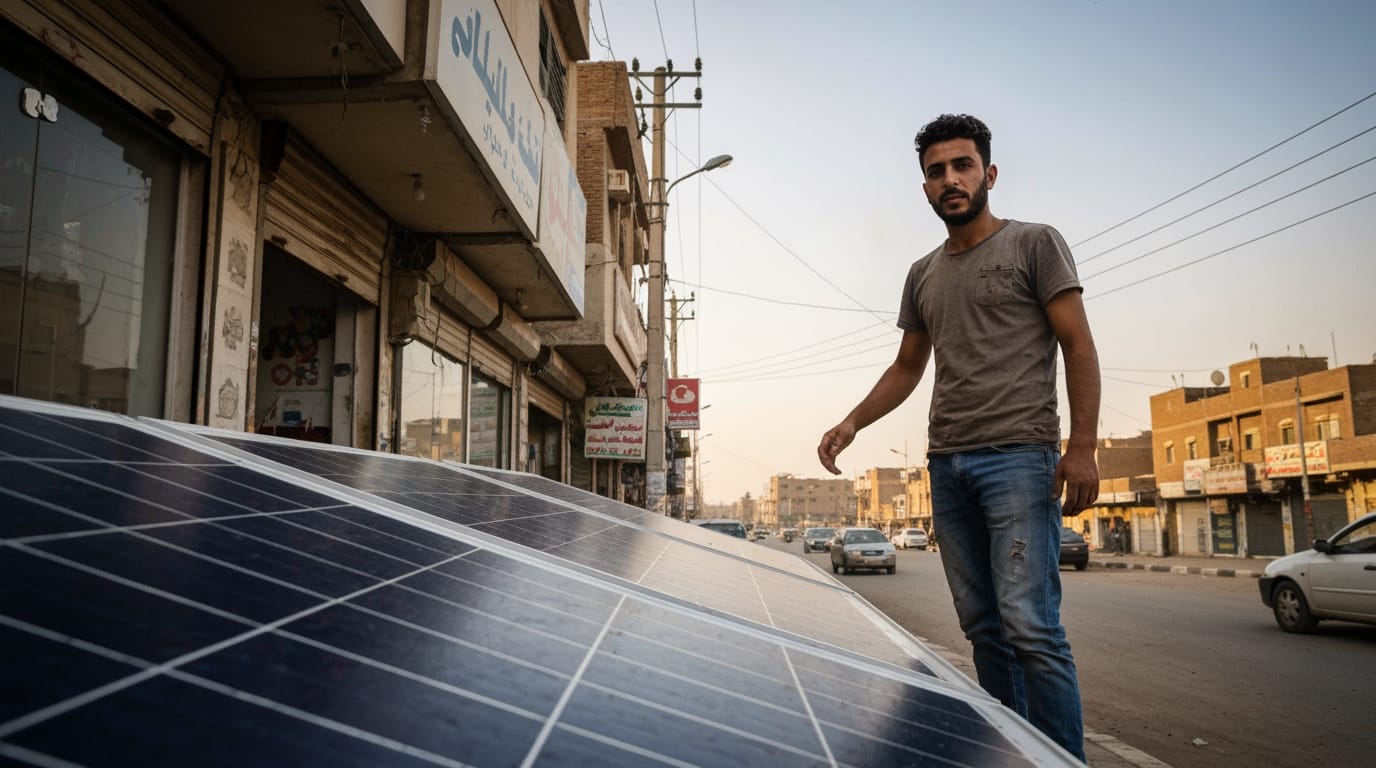
BAGHDAD – As Iraq braces for another scorching summer, characterized by sweltering temperatures often exceeding 50 degrees Celsius (122 degrees Fahrenheit), the nation is intensifying its pivot towards solar energy. This strategic shift comes amidst a chronic electricity crisis that has plagued the country for decades, with looming blackouts threatening to exacerbate the daily struggles of millions. The urgent need for a reliable power supply is driving ambitious renewable energy initiatives, aiming to harness Iraq's abundant sunshine to alleviate its severe energy deficit.
Iraq's electricity infrastructure, ravaged by years of conflict, neglect, and corruption, consistently falls short of meeting soaring demand, particularly during the peak summer months. The country's Ministry of Electricity has warned of a critical threshold, with domestic gas production dropping significantly and vital Iranian imports dwindling. The resulting power gap is immense; while summer demand can reach as high as 62,000 megawatts (MW), Iraq's current production capability hovers significantly lower, leading to a projected 34,000 MW deficit this summer. This shortfall translates into daily power outages lasting up to 22 hours in many regions, forcing citizens and businesses to rely on expensive and polluting private diesel generators.
The Perennial Power Crisis and Climate's Grip
The roots of Iraq's electricity woes are deep-seated, stemming from a combination of underinvestment, corruption, and geopolitical pressures. The country's power generation remains heavily reliant on fossil fuels, with natural gas accounting for 52% and oil for 47% of its electricity mix in 2023. Renewable energy, primarily hydroelectric power, contributed a mere 1%. This dependency on fossil fuels not only contributes to environmental pollution but also exposes the grid to volatile international markets and political disputes. Recent cuts in Iranian gas supplies, driven by sanctions and regional tensions, have severely impacted Iraq's power generation, leading to an estimated loss of 11,000 MW.
Compounding the crisis is Iraq's extreme vulnerability to climate change, ranked as the fifth most at-risk country globally. Average temperatures have risen by approximately 5 degrees Celsius (9 degrees Fahrenheit) over the past two decades, intensifying the need for air conditioning and cooling systems. This escalating demand, growing at an annual rate of 10-15%—far exceeding global averages—continually outpaces any increases in generation capacity. The humanitarian impact is profound, with residents enduring unbearable heat, underscoring the critical need for a stable and sufficient power supply.
A Sunny Horizon: Iraq's Ambitious Solar Push
In response to this persistent crisis, the Iraqi government has unveiled an ambitious strategy to integrate renewable energy into its national grid. Recognizing its immense solar potential—with nearly 300 sunny days annually and an average solar irradiance of 5 to 5.6 kilowatt-hours per square meter per day—Iraq aims to achieve 12 gigawatts (GW) of renewable energy capacity by 2030. This target represents a significant diversification from its traditional oil-dependent economy and a commitment to energy security and sustainability.
Several large-scale solar projects are now underway across the country, signaling a determined shift towards cleaner energy. Among the most prominent is the 1 GW Basra solar plant, a collaborative effort involving France's TotalEnergies, Basrah Oil Company, and QatarEnergy. Trial operations for the first 61 MW unit have commenced, with full commissioning of the plant expected by 2028. This project alone aims to supply electricity to 350,000 homes. Additionally, a 300 MW solar farm near Karbala, spanning four square kilometers and featuring half a million panels, has seen its first phase become operational, notably built entirely by local companies. Further demonstrating international interest, Masdar from the UAE has signed an agreement to develop a minimum of 2 GW of solar photovoltaic projects, and UGT Renewables has secured a contract for a 3 GW project.
Beyond these mega-projects, the government is also promoting decentralized solar solutions. Plans are in motion to install solar panels on 546 government buildings, backed by a $68.6 million investment. A digital platform is being developed to certify solar installation companies, and citizens can access interest-free loans from the Central Bank of Iraq to purchase systems from licensed vendors. These initiatives reflect a multi-pronged approach to decentralize power generation and reduce strain on the national grid, with over 120 potential sites identified for solar development in Baghdad and other provinces.
Navigating Hurdles: Challenges and Opportunities
While Iraq's solar ambitions are clear, the path to a sustainable energy future is fraught with challenges. The most significant technical hurdle involves integrating variable renewable energy sources like solar into an aging national grid not designed for fluctuating output. This requires specialized systems and substantial modernization efforts to prevent instability and transmission losses.
Financial and political obstacles also persist. Decades of conflict, weak governance, and security concerns make Iraq an environment for investors with a high-risk appetite. Policy uncertainty, corruption, and a system of heavy electricity subsidies that encourage wasteful consumption further complicate investment and revenue collection. The average annual increase in electricity demand, far exceeding global rates, also poses a continuous challenge to meet supply.
Despite these formidable barriers, the opportunities presented by solar energy are transformative for Iraq. Transitioning to renewables offers a pathway to enhanced energy independence, significantly reducing the country's reliance on imported fuels and insulating it from regional political volatility. It also provides a crucial avenue for economic diversification, fostering new industries, creating jobs, and attracting foreign investment beyond the traditional oil and gas sectors. Environmentally, the shift promises a substantial reduction in carbon emissions, as the power sector currently accounts for nearly half of Iraq's total emissions. Improved air quality and public health are also anticipated benefits, particularly in regions where fossil fuel pollution has been linked to various health conditions.
A Future Powered by the Sun
Iraq's journey towards a solar-powered future is a monumental undertaking, blending the promise of abundant natural resources with the complexities of a nation rebuilding. The determination to overcome the crippling electricity crisis and the devastating impact of climate change has spurred concrete actions, from large-scale power plants to rooftop solar initiatives. This transition is not merely about generating electricity; it is about building a more resilient, sustainable, and independent Iraq.
The coming summers will serve as critical tests for these burgeoning solar projects. Success will depend on sustained government commitment, robust policy frameworks, and continued international partnerships that bring not only investment but also technological expertise and capacity building. As the sun beats down on Iraq's vast desert landscapes, the hope is that these rays will increasingly power homes, industries, and a brighter, more stable future for all Iraqis. The transition away from fossil fuels is a long road, but for Iraq, the imperative for change has never been clearer.


