Israel's Somaliland Recognition Reshapes Geopolitical Landscape in the Horn of Africa
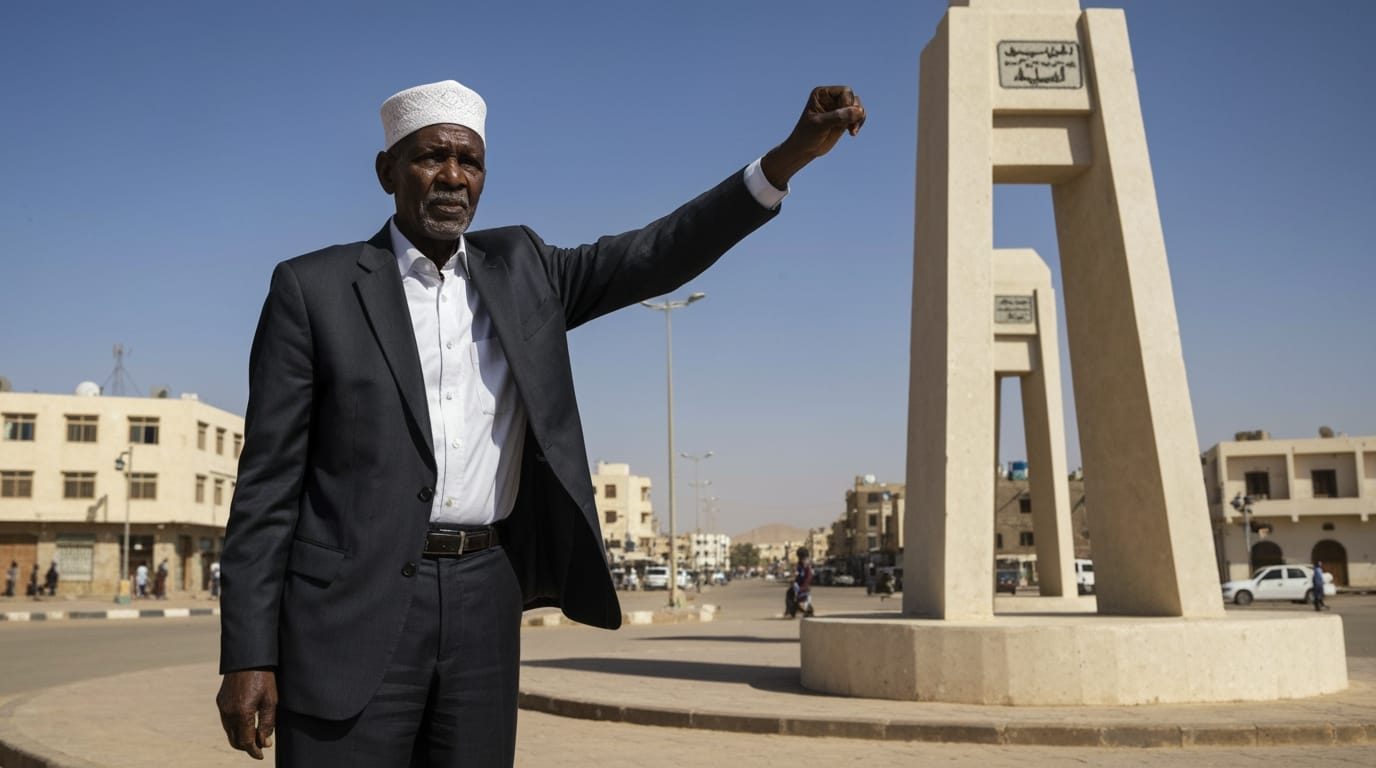
Hargeisa, Somaliland – In a move that has sent strategic ripples across the Horn of Africa, Israel formally recognized the Republic of Somaliland as an independent and sovereign state on December 26, 2025. This historic announcement, solidified by a joint declaration signed by Prime Minister Benjamin Netanyahu and Somaliland President Abdirahman Mohamed Abdallah, marks Israel as the first United Nations member state to acknowledge Somaliland's three-decade-long quest for statehood. The decision, which quickly led to an official visit by Israeli Foreign Minister Gideon Sa'ar to Hargeisa in January 2026, has ignited a complex interplay of regional ambitions, security concerns, and international diplomacy, profoundly altering the geopolitical map of East Africa and the Red Sea corridor.
A New Chapter for a De Facto State
Somaliland, a self-declared independent republic since breaking away from Somalia in 1991, has maintained a remarkable degree of stability, developed its own governing institutions, and conducted multiple democratic elections, contrasting sharply with the prolonged instability in its southern neighbor. Despite its functional governance, including a self-reliant system financed through domestic taxation and livestock exports, the international community, prior to Israel's announcement, largely upheld Somalia's territorial integrity, leaving Somaliland in diplomatic limbo. Israel's recognition, framed as being "in the spirit of the Abraham Accords" and accompanied by Somaliland's pledge to join the normalization framework, elevates relations from informal coordination to institutionalized state-to-state ties. This new relationship opens formal bilateral channels for security dialogue, economic cooperation, and diplomatic presence, with Israel signaling intentions to expand cooperation in agriculture, health, technology, and economic development. Foreign Minister Sa'ar, during his visit, emphasized Somaliland as a strategic partner, signaling a robust future for their ties.
Israel's Strategic Calculus: Red Sea Security and Beyond
For Israel, the recognition of Somaliland is rooted in a calculated strategic shift, particularly concerning Red Sea security and broader geopolitical influence. Somaliland's lengthy coastline along the Gulf of Aden, near the critical Bab el-Mandeb Strait, offers Israel a crucial vantage point in a region increasingly vital for global trade and security. Israeli officials have explicitly linked the recognition to efforts aimed at countering Iran and its proxies, notably the Houthi rebels in Yemen, who have persistently disrupted international shipping in the Red Sea. The possibility of intelligence sharing, enhanced maritime monitoring, port security arrangements, and even a potential logistical or security presence in Somaliland could bolster Israel's operational flexibility and strategic depth in an area where the port of Eilat has seen operations severely impacted. Initial discussions about establishing relations reportedly began years prior to the Houthi crisis, intensifying after Somaliland's President Muse Bihi Abdi's visit to Washington in 2022, indicating a long-term strategic interest rather than a purely reactive measure. Furthermore, recognizing Somaliland offers Israel a new foothold along the Bab el-Mandeb, potentially enhancing its leverage against other regional actors and diversifying its alliances.
Regional Echoes and Diplomatic Fallout
The reverberations of Israel's decision were immediate and far-reaching, particularly across the Horn of Africa. Somalia vehemently condemned the recognition, reaffirming its territorial claims over Somaliland and dismissing the move as a violation of its sovereignty. Mogadishu promptly called for an emergency session of the United Nations Security Council, although the council did not adopt any binding resolution supporting Israel's action. The Somali federal government also terminated its security agreements with the United Arab Emirates, citing Israel's recognition as the trigger, fueling speculation that the UAE, already a close economic partner to Somaliland through its development of Berbera Port, might itself consider recognition.
The African Union, generally favoring the principle of territorial integrity post-colonialism, expressed concerns, with some member states and international observers warning of a "dangerous precedent" that could embolden other secessionist movements on the continent. Regional powers like Turkey, Egypt, Djibouti, and Saudi Arabia also condemned the move, viewing it as potentially destabilizing and aligning to counter what some perceive as an "Axis of Secession" – a strategy employing breakaway regions to reshape the regional order. This perspective suggests Israel's move could be part of a broader strategy to exploit fragility in war-torn states. Meanwhile, Ethiopia, which previously signed a memorandum of understanding with Somaliland in January 2024 for port access in exchange for potential recognition, later agreed to a Turkish-brokered framework in December 2024 reaffirming Somalia's sovereignty, highlighting the fluctuating diplomatic landscape.
The Path Ahead: Opportunities and Challenges
Israel's recognition undoubtedly provides a significant boost to Somaliland's long-standing aspirations for international legitimacy, reducing political risk for foreign investment and fostering deeper cooperation. Somaliland, known for its relative peace and democratic practices in a volatile region, presents itself as a reliable partner for enhanced maritime security, trade, and economic development. However, the path forward is fraught with challenges. The move risks inflaming nationalist sentiment within Somalia and could strain Israel's broader relations in Africa, where many countries prioritize the existing state borders. Allegations of Israel's interest in relocating Palestinian refugees to Somaliland, though denied by Hargeisa, have added a layer of controversy and domestic opposition within Somaliland to normalizing relations with Israel.
The diplomatic landscape in the Horn of Africa is now more complex than ever, with Israel's recognition of Somaliland serving as a catalyst for a deeper geopolitical realignment. The decision highlights the increasing strategic importance of the Red Sea and the Horn of Africa as arenas where global and regional powers are vying for influence. While it offers Somaliland a significant step towards international integration and provides Israel with a critical strategic partner, it simultaneously exacerbates regional tensions and tests the long-held principles of state sovereignty on the African continent. The long-term implications for stability, regional alliances, and international law remain to be seen, as this bold diplomatic maneuver continues to unfold in one of the world's most strategic waterways.


