ISWAP's Drone Warfare: A New Threat in Nigeria's Insurgency
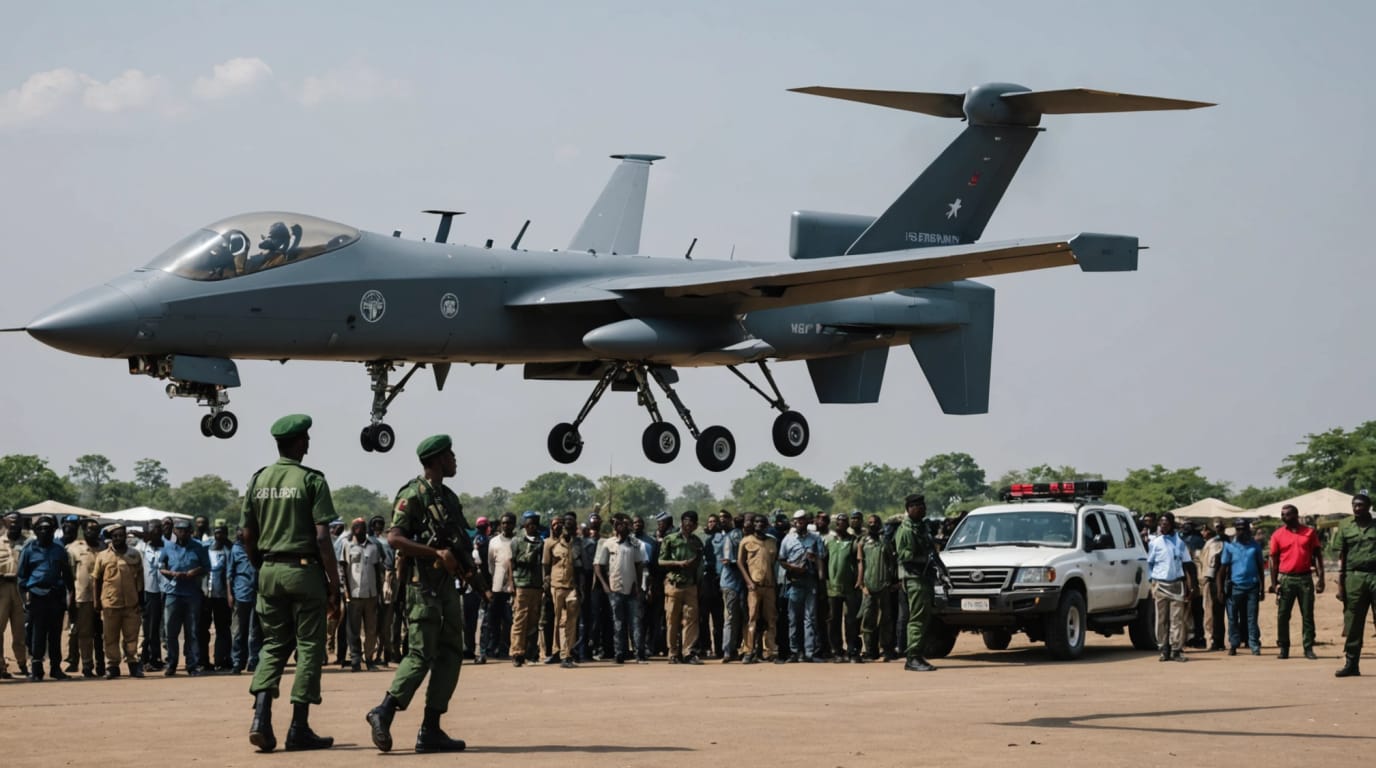
Islamic State West Africa Province (ISWAP) is escalating its attacks in Nigeria and the Lake Chad Basin by deploying weaponized drones, marking a significant shift in the group's tactics and posing new challenges to regional counter-terrorism efforts. The use of commercially available drones, modified to carry explosives, allows ISWAP to strike with greater precision while minimizing casualties, raising concerns about the vulnerability of military outposts and civilian locations.
From Surveillance to Strike: The Evolution of ISWAP's Drone Program
Initially, ISWAP, like many other extremist groups, utilized drones for intelligence gathering and propaganda. These unmanned aerial vehicles provided aerial footage of military camps and vehicles, offering valuable insights for planning attacks. However, recent months have seen a transition towards weaponizing these drones, turning them into offensive weapons capable of inflicting damage and spreading fear.
The first known instance of ISWAP using drones in direct combat occurred in December 2024, when the group launched four armed drones against a Nigerian military Forward Operating Base in Wajiroko, northeastern Nigeria. The drones, equipped with locally made grenades, were part of a coordinated assault that also involved ground-based attacks, resulting in injuries to at least five soldiers. Similar attacks followed in Damaturu, Yobe State, and Abadam on Lake Chad, confirming the emergence of a dangerous new phase in ISWAP's insurgency.
Tactical and Psychological Advantages
The deployment of weaponized drones offers ISWAP several tactical advantages. Drones enhance the group's ability to launch high-impact attacks while reducing the risk to its fighters. They can transform previously secure locations into precarious targets, potentially shifting the balance of power in the region.
Beyond the tactical gains, the use of drones also provides ISWAP with a powerful psychological advantage. The ability to strike from the air can instill fear among both military personnel and civilians, eroding confidence in the state's ability to provide protection. This erosion of confidence could inadvertently bolster support for the insurgents, creating a dangerous cycle of instability.
Regional Response and Countermeasures
The emergence of armed drones on the battlefield presents a new challenge for the Multinational Joint Task Force (MNJTF), composed of troops from Cameroon, Chad, Niger, and Nigeria. These forces are now exploring ways to counter this evolving threat.
Nigeria has adopted a Lithuanian-made device, the EDM4S SkyWiper, which jams drone control signals, disrupting their data transmission and navigation. This technology offers a means of neutralizing drones in the air, preventing them from carrying out attacks. However, the effectiveness of such countermeasures depends on continuous adaptation and improvement as ISWAP continues to refine its drone technology and tactics.
A Growing Trend: Non-State Actors and Drone Warfare
ISWAP's adoption of weaponized drones reflects a growing trend among non-state actors worldwide. According to the Armed Conflict Location & Event Data organization, the number of non-state groups committing drone attacks increased by 1,400% between 2018 and 2023. This proliferation of drone technology among non-state actors poses a significant challenge to governments and security forces globally.
Easy access to drones provides non-state actors with an important tool for asymmetric warfare. These groups can modify commercially available drones to carry explosives or use them in kamikaze attacks, effectively turning them into low-cost, high-impact weapons. This trend necessitates a comprehensive approach to counter-terrorism, including measures to control the supply of drones and develop effective countermeasures.
Implications for the Future of Counter-Terrorism in the Region
ISWAP's enhanced operations and use of drone attacks represent a turning point for counter-terrorism in the Lake Chad Basin. The group's evolving tactics, coupled with worrying signs of enhanced weaponry and training, demand a reassessment of existing counter-terrorism strategies.
Governments in the region must prioritize the deployment of jamming devices and air defense systems to protect military outposts and civilian populations from drone attacks. Preemptive strikes targeting ISWAP's drone assembly and launch sites should also be considered a priority. Furthermore, regional cooperation and intelligence sharing are crucial for effectively addressing this evolving threat.
Conclusion: Adapting to the Drone Threat
The use of weaponized drones by ISWAP marks a dangerous escalation in the group's insurgency in Nigeria and the Lake Chad Basin. This new tactic presents significant challenges to regional security forces and requires a comprehensive and adaptive response. By investing in counter-drone technology, strengthening regional cooperation, and addressing the underlying factors that fuel extremism, governments in the region can mitigate the threat posed by ISWAP's drone warfare and work towards a more secure and stable future. The fight against violent extremism in the region has entered a new phase, demanding vigilance, innovation, and a commitment to protecting both military personnel and civilian populations.


