Japan Court Orders Dissolution of Unification Church
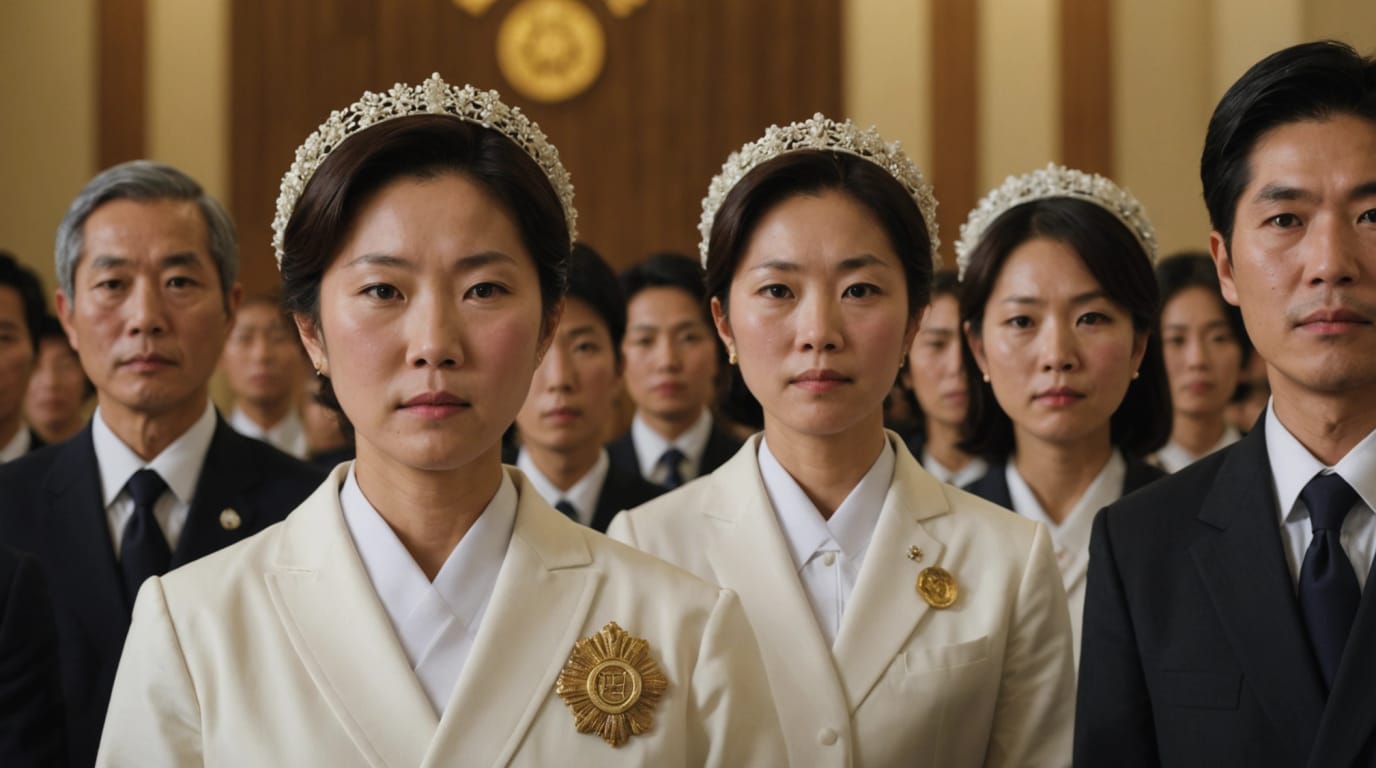
Tokyo – In a landmark decision, the Tokyo District Court on Tuesday ordered the dissolution of the Unification Church in Japan, formally known as the Family Federation for World Peace and Unification. The ruling, prompted by a government request, marks the first time a religious group has been disbanded for illegal acts under the Civil Code, excluding cases involving criminal charges. The decision follows intense scrutiny of the church's fundraising and recruitment tactics in the wake of the assassination of former Prime Minister Shinzo Abe in 2022.
Abe Assassination Sparks Investigation
The assassination of Shinzo Abe brought renewed attention to the Unification Church and its ties to Japan's political landscape. The alleged assassin reportedly held a grudge against the church, blaming it for his family's financial ruin due to his mother's large donations. This incident triggered a wide-ranging investigation into the church's practices and its connections to the ruling Liberal Democratic Party (LDP).
The investigation revealed decades of close ties between the South Korea-based church and prominent LDP figures. The church initially gained legal status as a religious organization in Japan in 1968, during an anti-communist movement supported by Abe's grandfather, former Prime Minister Nobusuke Kishi.
Manipulative Fundraising Tactics
Japan's Education Ministry formally requested the dissolution of the Unification Church in October 2023, citing manipulative fundraising and recruitment tactics that instilled fear among followers and caused significant harm to their families. The ministry asserted that the church's followers had engaged in repeated illegal acts since around 1980, including concealing their backgrounds to solicit large donations by exploiting people's anxieties.
The Tokyo District Court accepted the claims made by the Culture Ministry. Presiding Judge Kenya Suzuki stated it was the first ever court decision to disband a religious group for committing illegal acts under the Civil Code. The court held four hearings behind closed doors and questioned active believers as witnesses. The ministry said the Unification Church's followers have repeatedly committed illegal acts — such as hiding their backgrounds to solicit people to make large donations to the group by stirring up their anxiety — since around 1980, claiming that this constituted grounds for dissolution under the religious corporation law.
The Unification Church has denied these allegations, arguing that receiving donations is a legitimate part of its religious activities and not a means of acquiring property through illegal means. In January, the group filed a claim with the court alleging that the evidence submitted by the ministry was fabricated.
Consequences of Dissolution
The court's decision to revoke the Unification Church's legal status carries significant consequences. The church will lose its tax-exempt privileges and will be required to liquidate its assets. However, the church retains the right to appeal the decision to higher courts, potentially prolonging the legal battle.
The Japanese branch of the church has criticized the dissolution request as a serious threat to religious freedom and the human rights of its followers.
Historical Context and Religious Freedom
This is not the first time Japan has grappled with the issue of religious organizations and their potential for harm. The Aum Shinrikyo doomsday cult was ordered to dissolve after its senior figures were found criminally liable for carrying out a sarin nerve gas attack on the Tokyo subway system.
Japan has established high legal hurdles for restricting religious activities, drawing from lessons learned from the prewar and wartime oppression of freedom of religion and thought. This historical context adds complexity to the decision to dissolve the Unification Church, raising concerns about potential infringements on religious freedom.
Implications and Future Outlook
The dissolution order against the Unification Church is a significant event in Japanese legal and religious history. It underscores the government's commitment to protecting citizens from harmful practices carried out under the guise of religious freedom.
The case is likely to have far-reaching implications for other religious organizations in Japan, prompting increased scrutiny of their fundraising and recruitment methods. It also raises important questions about the balance between religious freedom and the need to protect vulnerable individuals from exploitation.
The Unification Church's ability to appeal the decision ensures that the legal proceedings will continue. The final outcome of this case will undoubtedly shape the future of religious organizations and their interactions with the Japanese government and society.


