Japan Grapples with Unprecedented Surge in Bear Attacks
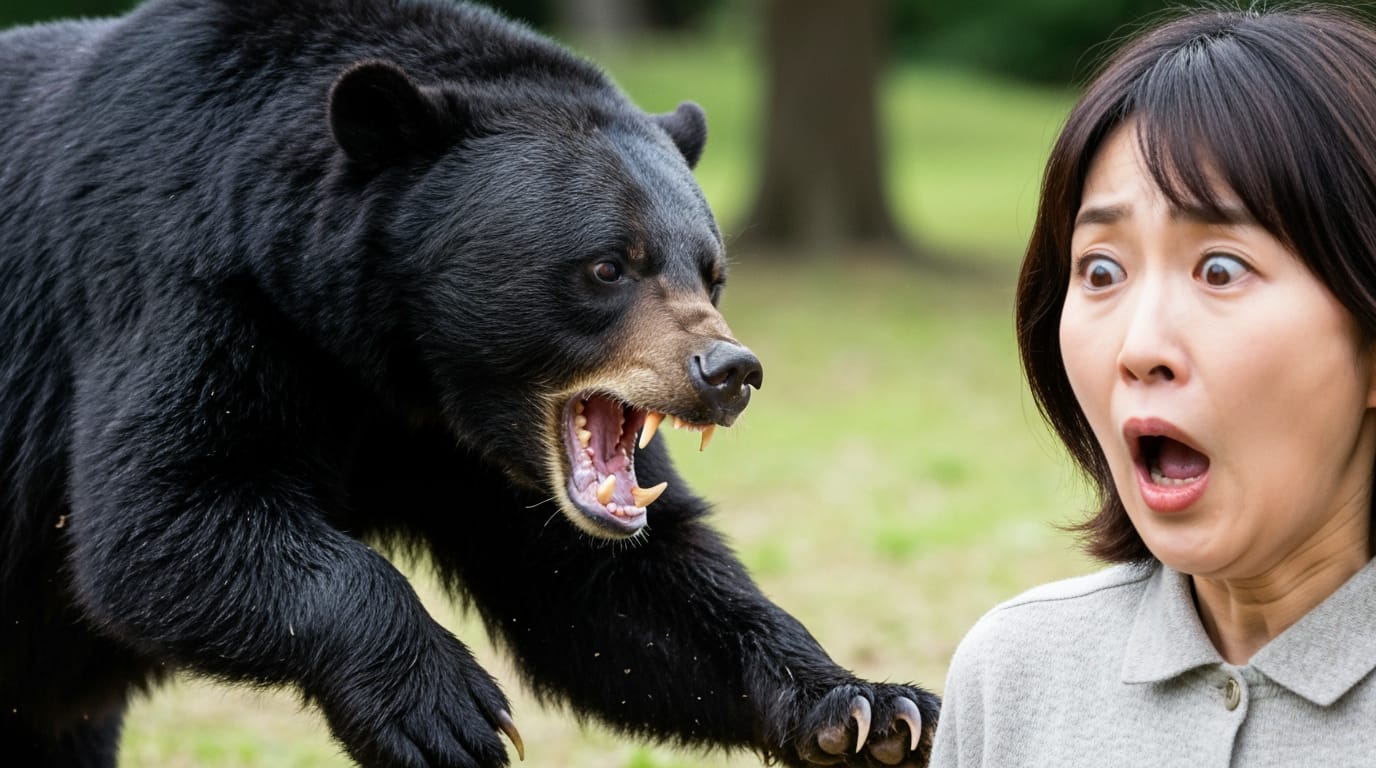
Japan is facing an escalating crisis as bear attacks reach record levels, sparking widespread concern and prompting urgent calls for comprehensive wildlife management strategies. The nation recorded an unprecedented 238 bear attacks and 13 fatalities in the fiscal year spanning April 2025 to March 2026, according to the Environment Ministry. These alarming figures represent a historic high, positioning Japan with more annual bear attacks than any other country globally. The surge in encounters, primarily involving Asiatic black bears and Ussuri brown bears, is concentrated in regions like Tohoku and Hokkaido, and is attributed to a complex interplay of environmental shifts, changing human demographics, and evolving bear behavior.
The Alarming Spike in Incidents
The stark increase in bear-related incidents has left communities on edge, transforming once-rare encounters into a regular threat. From April 2025 to March 2026, Japan documented 238 attacks, leading to 13 deaths, a significant jump from previous years. These incidents are predominantly reported in the mountainous northern part of Honshu, particularly the Tohoku region, and parts of Hokkaido, home to the larger Ussuri brown bear. While both the medium-sized Asiatic black bear and the larger Ussuri brown bear populate different areas, both species are increasingly encroaching upon human habitats. The frequency and proximity of these attacks to populated areas are escalating concerns, even for travelers venturing into transitional zones between forests and urban centers. This trend signifies a critical shift, as bears are now being sighted not just in remote wilderness but also in residential areas, farmlands, and even occasionally in urban settings, marking a profound change in the human-wildlife dynamic.
Climate Change and the Scarcity of Natural Food Sources
A primary driver behind the bears' increased incursions into human territories is the disruption of their natural food supply, largely linked to climate change. Bears, particularly in autumn, rely heavily on mast crops such as beech nuts and acorns to build fat reserves for winter hibernation. However, increasing temperatures and erratic weather patterns have severely impacted the timing and yield of these vital food sources. Researchers note that higher average temperatures have affected plants' seasonal cycles, leading to unpredictable and often poor harvests of nuts.
In years characterized by mass failure in acorn and beech nut production, bears are compelled to expand their foraging range, venturing further from their traditional habitats in a desperate search for sustenance. This scarcity pushes hungrier, bolder bears, including mothers and cubs, into unfamiliar territories closer to human settlements, where readily available food sources like agricultural crops, household garbage, and fruit trees become irresistible attractants. The delayed hibernation observed in some bears is also a direct consequence of this disrupted food cycle, prolonging the period of potential human-bear interaction. While some experts suggest that natural low years in nut production are part of a cycle, the increasing consistency of these poor yields points to a deeper, climate-driven issue.
Rural Depopulation and Habitat Blurring
Compounding the problem of food scarcity is Japan's ongoing rural depopulation, particularly the exodus of younger generations from agricultural communities to urban centers. This demographic shift has left many rural areas with abandoned or under-maintained agricultural land, where fruit-bearing trees and overgrown vegetation create unintended havens and food sources for bears. These neglected landscapes effectively blur the boundaries between bear habitat and human habitation, providing both cover and an invitation for wildlife to approach communities.
The reduced human presence in these "satoyama" areas means fewer "eyes to keep watch," allowing bears to move with less apprehension. The resulting proliferation of "urban bears" — animals born and raised near human settlements — further exacerbates the issue. These bears grow up accustomed to human presence, exhibiting less fear and more curiosity about human spaces, even associating settlements with food. This behavioral adaptation leads to a regular movement of bears in and out of populated areas, increasing the likelihood of encounters and attacks.
The Paradox of Conservation and Declining Hunter Numbers
Ironically, the rise in bear attacks is also linked to what some describe as a "conservation success story that might be a little too successful". Over the past decades, conservation efforts and restrictions on hunting have contributed to a significant increase in bear populations across Japan. The combined bear numbers, estimated at 15,000 individuals in 2012, swelled to approximately 54,000 by 2025. While a testament to conservation, this growing population now faces ecological pressure due to limited resources and fragmented habitats.
Simultaneously, the number of licensed hunters in Japan has plummeted dramatically. From nearly 518,000 in 1975, the figure dropped to fewer than 218,500 by 2020, with a significant majority of current hunters being over 60 years old. This aging and dwindling force means fewer individuals are available to manage the increasing bear population through culling or trapping. Training new hunters is a lengthy process, often taking about a decade to master rifle use, further hindering efforts to replenish their ranks. Legal limitations, which historically restricted police and military from using firearms against bears unless assisting hunters, have also compounded the challenge of rapid response and population control. This imbalance between a rising bear population and a shrinking, aging hunting community creates a significant management vacuum, leaving both people and bears at greater risk.
Responses and the Road Ahead
In response to the escalating threat, Japanese authorities are implementing a range of measures. These include escalating early warning systems, deploying deterrence methods, and increasing culling efforts. Some prefectures, ill-equipped to handle the surging bear numbers, have seen the deployment of the Japan Self-Defense Forces to assist local hunters in moving bear traps in residential areas. The Environment Ministry is also offering subsidies for bear drills, training programs, and wildlife response teams, while local governments, like Hokkaido's, are actively recruiting new hunters and holding public events on safe tracking and handling of brown bears. Targets have been set for increased captures, such as 12,000 in Tohoku by 2030, alongside efforts for habitat restoration to better delineate human and bear territories.
However, these measures are not without debate. While culling is seen by some as a necessary short-term solution, groups like World Wildlife Fund Japan advocate for longer-term fixes, including the establishment of buffer zones to safely separate bears and people. Experts emphasize the need for a comprehensive approach that extends beyond immediate responses to address the fundamental causes. This includes a careful balance of population control, habitat management, public education on bear safety, and incentivizing human presence in rural areas to maintain traditional boundaries. The ongoing crisis underscores the complex challenge of fostering coexistence between humans and a resurgent wildlife population in a rapidly changing environment.


