Japan's Popular Prime Minister Takaichi Calls Snap Election to Solidify Power
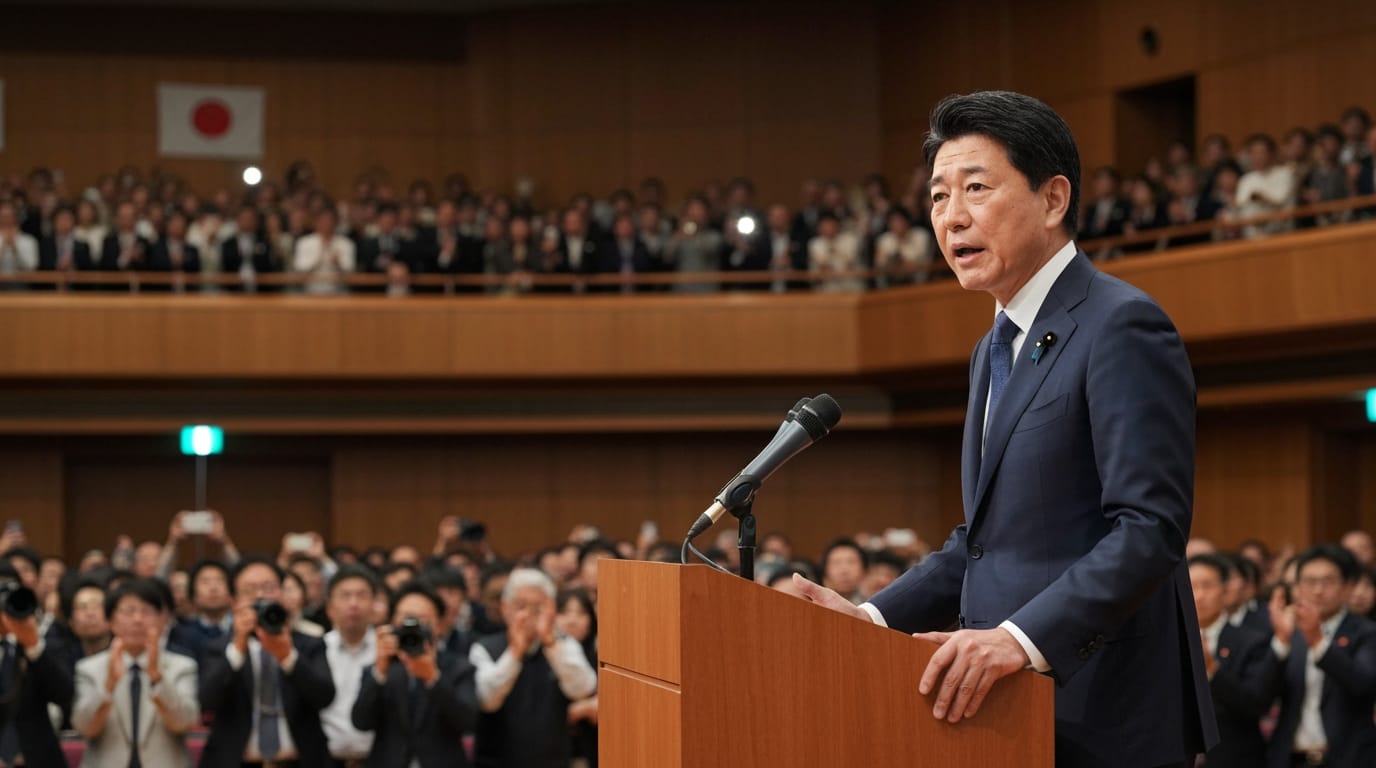
Tokyo, Japan – Prime Minister Sanae Takaichi, Japan's first female leader, is poised to dissolve the powerful Lower House of Parliament and call a snap general election, reportedly eyeing dates in early February 2026. The move, coming just three months into her premiership, is a calculated gamble to capitalize on her remarkably high approval ratings and secure a stronger mandate for her ambitious conservative agenda. With public support for her cabinet hovering around 70% and even reaching 92% among younger demographics, Takaichi seeks to overcome the Liberal Democratic Party's (LDP) current slim parliamentary majority and cement her political authority.
The Audacious Call: Consolidating Power and Policy
Prime Minister Takaichi’s decision to call an early election stems from a strategic imperative to reinforce her government's position. Despite her personal popularity, the ruling LDP and its new coalition partner, the Japan Innovation Party (JIP), currently hold only a narrow majority in the Lower House, a situation that has hindered the swift advancement of her policy initiatives. By seeking a fresh public endorsement, Takaichi aims to gain additional seats, thereby securing a more stable and effective governing bloc.
A key driver for the snap election is Takaichi's desire to push through her bold policy agenda, which includes "proactive" fiscal spending and an accelerated military buildup. Her cabinet recently approved a record 122.3 trillion yen (approximately $770 billion) budget for the fiscal year beginning April 2026, which requires parliamentary approval. Securing a stronger majority would ease the passage of this budget and other critical legislation, allowing her administration to address rising inflation and bolster Japan's economy. Analysts suggest that an early election could also be a tactical move to pre-empt opposition scrutiny over sensitive issues, such as her past remarks concerning Taiwan, which have strained diplomatic relations with China, and allegations of a political donation scandal. Additionally, there are concerns about a potential "fiscal cliff" if a bill authorizing the issuance of deficit-covering bonds is not passed in time, making a timely and decisive electoral outcome crucial for Japan's financial stability.
Takaichi's Ascent: A Conservative Vision for Japan
Sanae Takaichi made history in October 2025 by becoming Japan's first female Prime Minister, succeeding Shigeru Ishiba, who resigned amid LDP infighting and poor electoral performance. Often dubbed Japan's "Iron Lady" due to her conservative and nationalist views and her admiration for former British Prime Minister Margaret Thatcher, Takaichi is a protégé of the late Shinzo Abe. Her political career has been marked by several ministerial roles during the Abe and Kishida premierships, and she ran for LDP leadership multiple times before her successful bid in 2025.
Her platform resonates with a significant portion of the Japanese electorate, particularly her firm stance on national security and her proposals for economic revitalization through strategic spending. However, her ultraconservative positions on social issues, including her opposition to same-sex marriage and a stricter approach to immigration, have drawn scrutiny. Takaichi's strong rhetoric on China, particularly her warnings regarding a potential Chinese attack on Taiwan, has been seen as both a source of domestic support and international tension. This hawkish posture has contributed to her popularity among some segments of the population, leading observers to note that a moment of international crisis could be opportune for an election.
Political Calculus and Potential Pitfalls
The call for an early election, while strategic, is not without considerable risk. Opposition parties have swiftly condemned the move, with leaders like Yoshihiko Noda of the Constitutional Democratic Party accusing Takaichi of "engineering an election at the cost of creating a political vacuum." Critics argue that the election would delay crucial parliamentary debate over the national budget, which is essential for maintaining fiscal operations and supporting people's livelihoods.
The LDP itself faces internal challenges. The party’s brand has been damaged by a recent fundraising scandal, and while Takaichi enjoys high personal approval, the party’s overall support remains lower. This dynamic makes it challenging for the Prime Minister to translate her individual popularity into a landslide victory for the LDP. The centrist Komeito party, a former long-standing coalition partner of the LDP, withdrew its support last year citing disagreements over Takaichi's ideological positions and the LDP's handling of anti-corruption reforms. Komeito is now reportedly exploring alliances with other opposition parties, potentially presenting a more unified front against the LDP-JIP coalition. Should the opposition parties coordinate effectively, they could pose a serious challenge and prevent the LDP from securing a decisive majority. Even a stronger Lower House majority would not guarantee complete legislative control, as the LDP-JIP coalition remains a minority in the Upper House, necessitating continued cooperation with opposition parties for some legislation.
A Defining Moment for Japan's Future
Prime Minister Takaichi's decision marks a high-stakes moment for Japanese politics. By calling an early election, she is attempting to leverage a wave of personal popularity to reshape the legislative landscape and assert her authority decisively. The outcome will not only determine the strength of her government but also the trajectory of her ambitious economic, security, and diplomatic policies. As Japan grapples with domestic economic challenges and an increasingly complex geopolitical environment, the upcoming election will be a critical test of Takaichi's leadership and the electorate's vision for the nation's future. The results are poised to have far-reaching consequences, potentially stabilizing Japan's political scene or ushering in further uncertainty.


