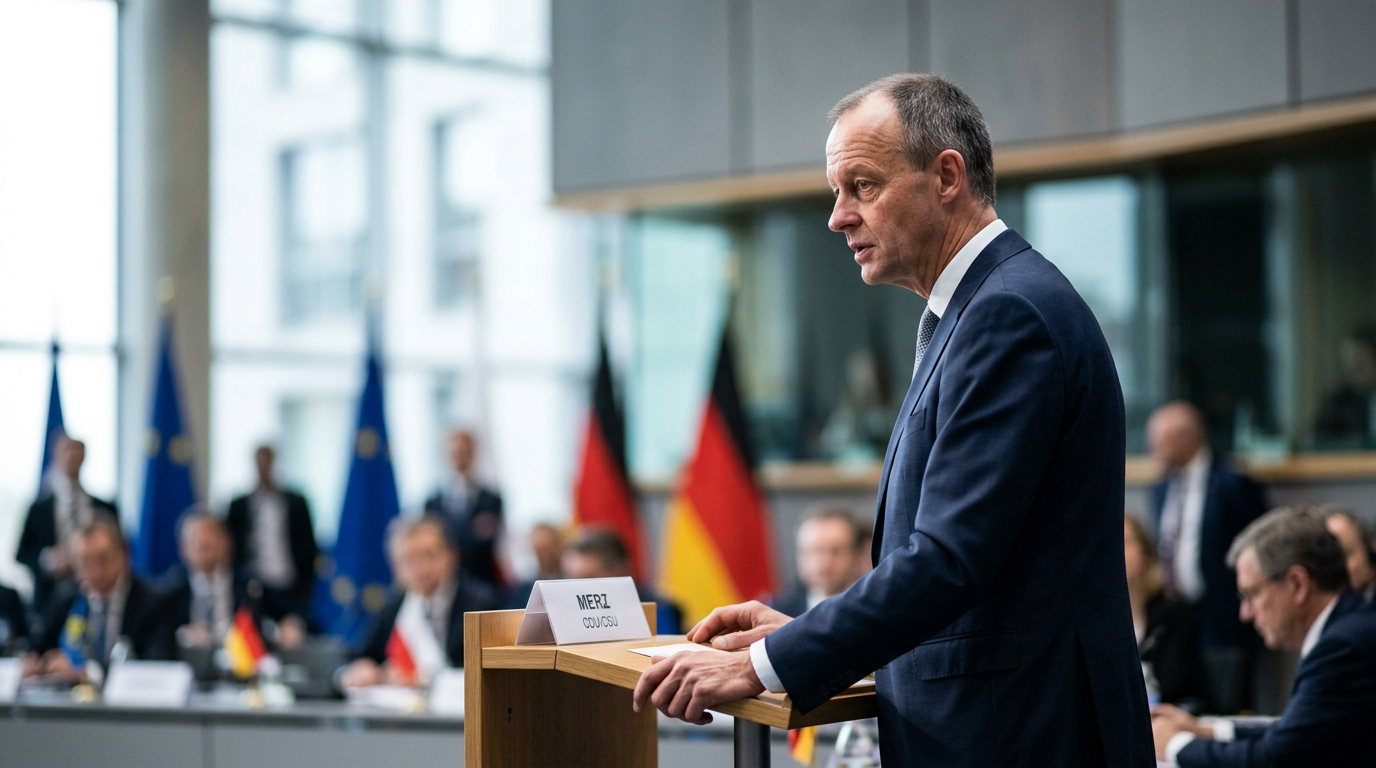
Judge Rules Pro-Palestine Activist Mahmoud Khalil Can Be Deported, Sparking Free Speech Concerns
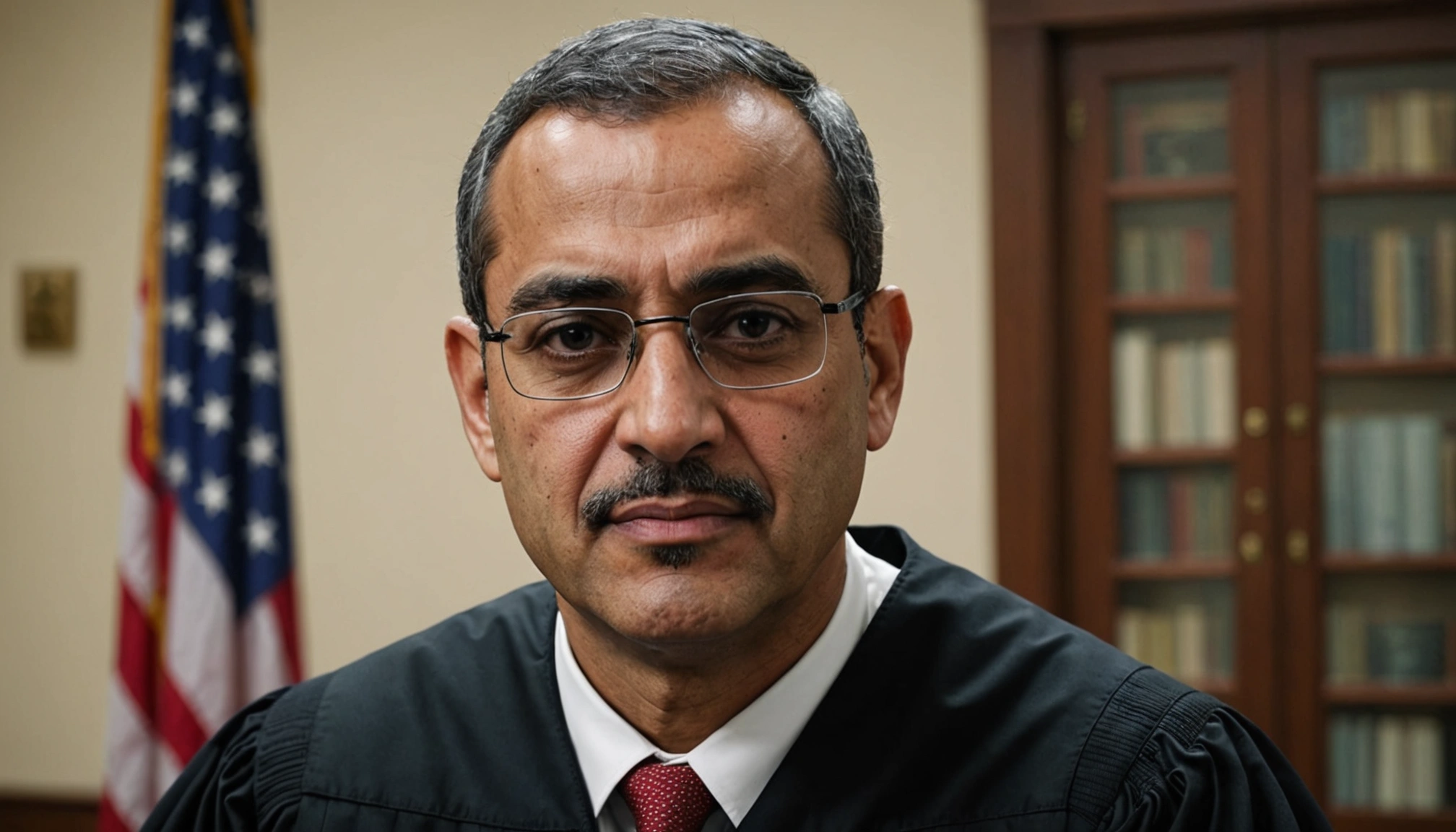
A U.S. immigration judge has ruled that Mahmoud Khalil, a Columbia University graduate student and pro-Palestine activist, is eligible for deportation, igniting a debate over free speech and the government's power to remove non-citizens for expressing political views. The decision, made Friday in Louisiana, allows the deportation case against Khalil to proceed, a month after his detention sparked widespread protests and accusations of political targeting.
The ruling by Judge Jamee Comans in Jena, Louisiana, stated that the government had presented sufficient evidence to demonstrate that Khalil is removable under U.S. immigration law. This decision comes despite the government not charging Khalil with any crime. The core of the government's argument rests on a rarely used provision of immigration law that grants the Secretary of State the authority to deport non-citizens whose presence is deemed to have adverse foreign policy consequences.
Secretary of State Marco Rubio submitted a letter to the court asserting that Khalil's involvement in "anti-Semitic protests and disruptive activities" fostered a hostile environment for Jewish students, thus justifying his removal. Rubio cited the foreign policy objective of eradicating anti-Semitism as justification for his assessment of Khalil's activities at Columbia University. He characterized the anti-genocide protests, in which Khalil participated, as anti-Semitic and creating an unsafe environment for Jewish students.
Khalil's legal team and supporters have decried the ruling as a violation of his First Amendment rights and a dangerous precedent for anyone engaged in free speech and political expression. They argue that the government failed to provide concrete evidence of any wrongdoing by Khalil, and that the decision is solely based on his political views and activism.
The Case and the Controversy
Mahmoud Khalil, a legal U.S. resident, was detained by federal immigration agents on March 8 in New York. His arrest marked the first under what was described as President Donald Trump's promised crackdown on students involved in campus protests against the war in Gaza. Within a day, he was transferred to an immigration detention center in Jena, Louisiana, thousands of miles away from his attorneys and his wife, a U.S. citizen who is expecting a child.
The government's attempt to deport Khalil hinges on the Immigration and Nationality Act, specifically a clause allowing deportation based on foreign policy considerations. This clause, according to critics, is being weaponized to suppress dissent and target individuals based on their political beliefs.
Legal Challenges and Appeals
Despite the Louisiana immigration judge's ruling, the fight to prevent Khalil's deportation is far from over. Khalil's legal team is expected to appeal the decision. Furthermore, a federal judge in New Jersey has temporarily blocked Khalil's removal from the country, pending consideration of his claim that his arrest violated his First Amendment rights.
Judge Michael Farbiarz, presiding over Khalil's habeas corpus case in New Jersey, has called for an immediate hearing to address the implications of the Louisiana ruling. Khalil's legal team will continue to seek bail and a preliminary injunction that would allow him to return to his family in New York while his immigration case proceeds.
Implications for Free Speech and Academic Freedom
The case has raised concerns about the chilling effect it could have on free speech, particularly within academic institutions. Critics argue that the government's actions against Khalil could discourage students and activists from expressing their views on controversial issues, fearing potential repercussions for their immigration status.
The American Civil Liberties Union (ACLU) and other civil rights organizations have condemned the ruling, arguing that it sets a dangerous precedent for targeting individuals based on their political beliefs. They emphasize the importance of protecting the right to dissent and express opinions, even when those opinions are unpopular or critical of government policies.
Secretary of State's Role and Justification
Secretary of State Marco Rubio's involvement in the case has drawn scrutiny, particularly his reliance on the argument that Khalil's activism contributed to an anti-Semitic environment on campus. Critics argue that Rubio's characterization of pro-Palestine protests as inherently anti-Semitic is a misrepresentation of the movement, which includes many Jewish students and activists who oppose the Israeli government's policies.
Rubio's letter to the court did not provide specific evidence of Khalil engaging in anti-Semitic behavior, but rather focused on the overall atmosphere of the protests and their alleged impact on Jewish students. This approach has been criticized as an attempt to silence dissent by conflating criticism of Israeli policies with anti-Semitism.
The Road Ahead
The legal battle surrounding Mahmoud Khalil's deportation is likely to continue for several months, if not years. The case raises fundamental questions about the balance between national security concerns, foreign policy objectives, and the protection of constitutional rights.
The outcome of this case could have significant implications for the future of free speech and academic freedom in the United States, as well as the government's power to deport non-citizens based on their political views. The legal challenges and appeals will be closely watched by civil rights organizations, academic institutions, and activists across the country.
The Khalil case underscores the complexities of immigration law and its intersection with political expression. As the legal proceedings unfold, the debate over free speech, academic freedom, and the government's power to deport non-citizens based on their political views is certain to intensify.
Sources
Related Articles

Ratko Mladić, "Butcher of Bosnia" and Convicted War Criminal, Dies at 84
THE HAGUE, Netherlands – Ratko Mladić, the former Bosnian Serb military commander known as the "Butcher of Bosnia" and convicted of genocide, war crimes, and crimes against humanity, has died at the age of 84. Serbian...

Long-Awaited 9/11 Mastermind Trial Set for 2028, Decades After Attacks
GUANTANAMO BAY, Cuba – Nearly a quarter-century after the devastating terror attacks of September 11, 2001, a military judge has finally set a trial date for Khalid Sheikh Mohammed, the alleged mastermind behind the...