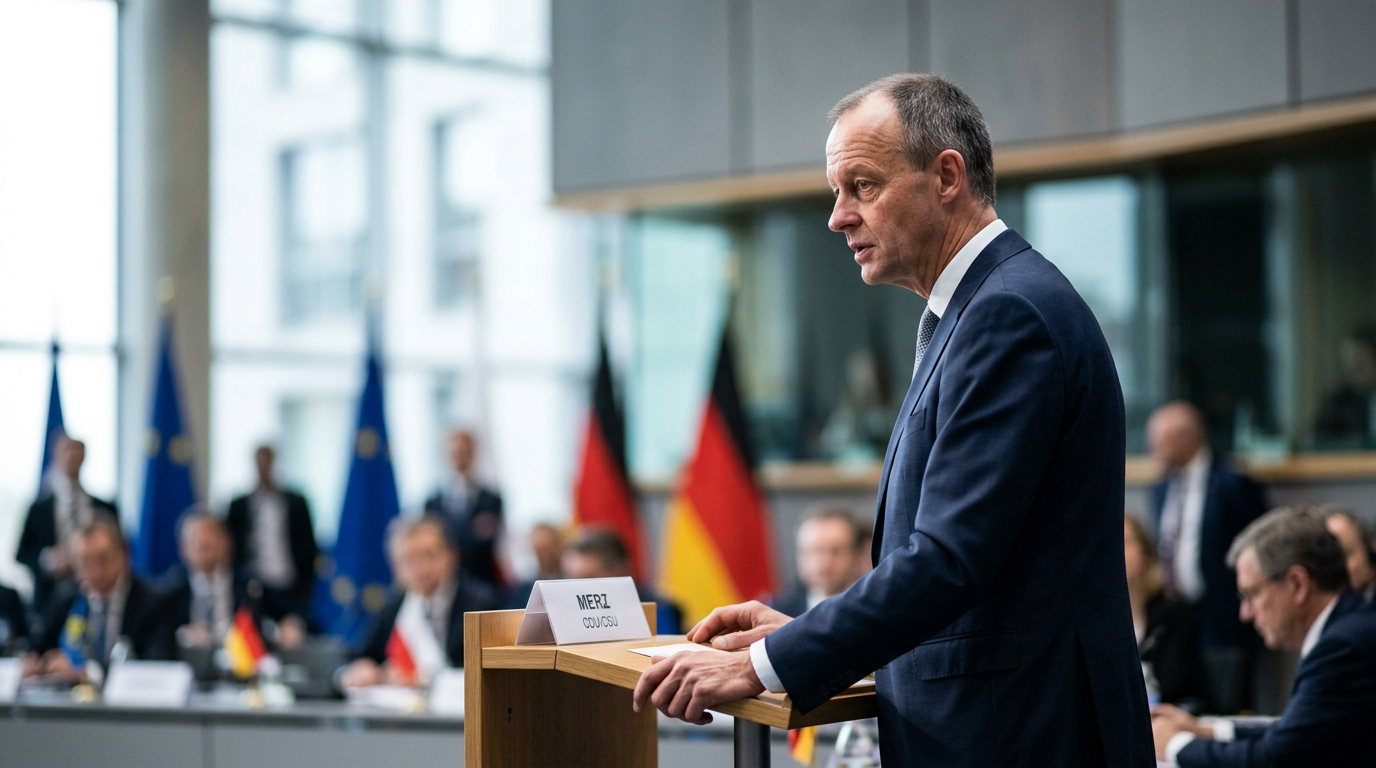
Kennedy Center Board Reinstates Trump Name, Approves Major Renovation Amid Legal Scrutiny

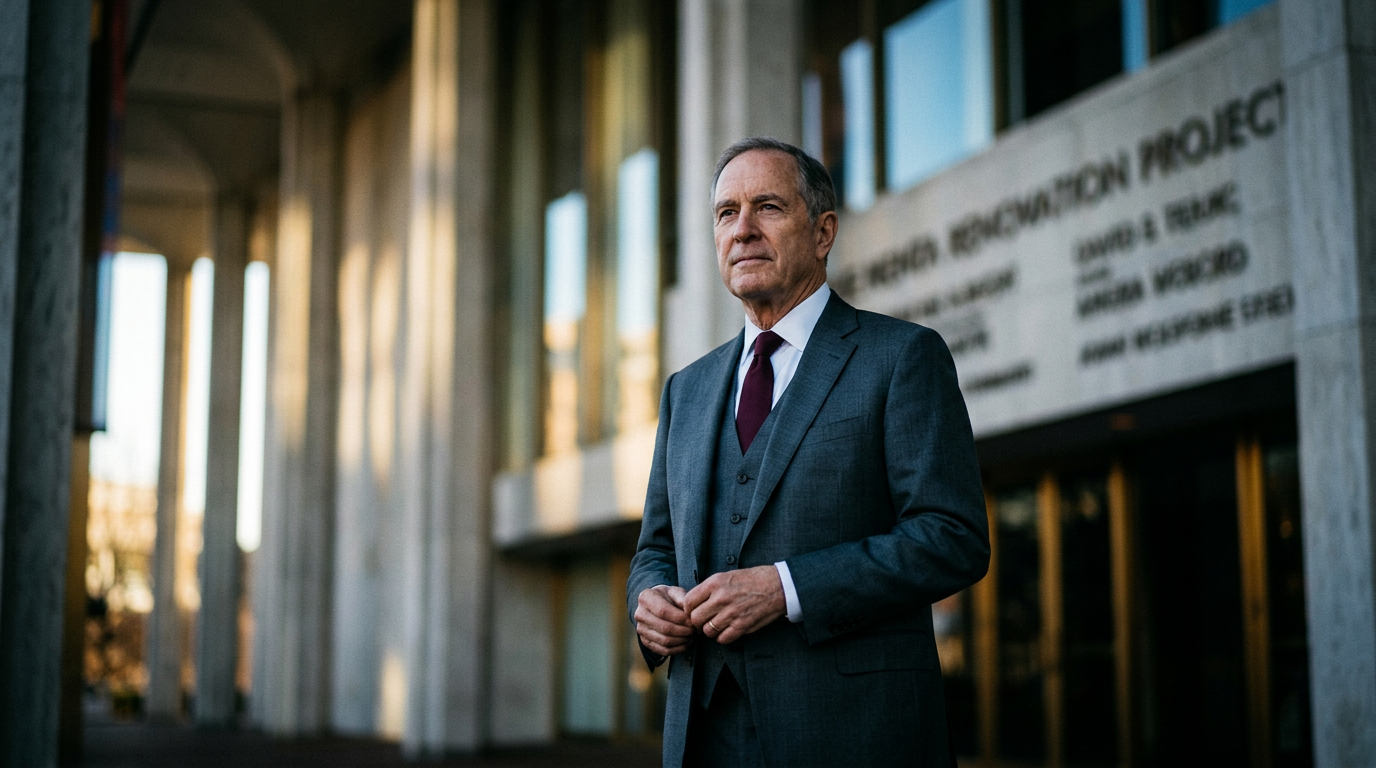
WASHINGTON, D.C. — The John F. Kennedy Center for the Performing Arts board of trustees has once again ignited controversy, voting on Thursday, August 13, 2026, to inscribe former President Donald J. Trump's name on the institution's facade and proceed with a two-year, $250 million renovation project that will largely shutter the iconic venue. This decision comes despite a federal court order earlier this year that explicitly mandated the removal of Trump's name from the building, raising questions about adherence to judicial rulings and the future of the national cultural landmark.
Resurfacing the Controversy: A Challenge to Judicial Authority
The board's latest resolution calls for an inscription beneath the Kennedy Center's main sign that would read, "Restored and Renovated by President Donald J. Trump." Furthermore, should an endowment fund named for the former president reach $100 million, a third line would be added: "Endowed by the Trump Kennedy Center Fund." The trustees also supported renaming the center's grounds the "President Donald J. Trump Plaza." These actions directly confront a May 2026 ruling by U.S. District Judge Christopher Cooper, who ordered the removal of Trump's name, which had been added previously. Judge Cooper's ruling underscored that the center is unequivocally dedicated to President Kennedy and that its naming cannot be altered without congressional approval. The Kennedy Center complied with the order in June, but the new vote signals a renewed effort to associate the former president with the institution.
The board, chaired by the former president himself since his assumption of control last year, justified its decision by arguing that the center "would be in financial ruin" without his "unique stature as both an unparalleled fundraiser and world-class developer." The resolution explicitly directed Kennedy Center head Matt Floca to "undertake all legal means to effectuate such recognition" within two weeks. This move has been met with immediate condemnation from some corners, with Representative Joyce Beatty (D-Ohio), an ex officio trustee who had previously sued to stop the name change, calling it a "transparent effort to circumvent the Court's ruling" and a disregard for congressional statutes. Beatty affirmed her commitment to continue fighting for the preservation of the national monument.
Extensive Renovation Plans and Projected Impact
Beyond the naming controversy, the board's vote greenlights a substantial two-year renovation project for the Kennedy Center's main building, with a planned reopening in the summer of 2028. The estimated $250 million endeavor encompasses critical structural repairs, installation of new marble floors, and nearly $12 million dedicated to acoustical improvements. A notable detail of the plan involves the temporary relocation of the famed eight-foot bronze bust of John F. Kennedy, a prominent feature in the center's main foyer. While the primary structure will be closed, the 2019 addition known as "The REACH" is slated to remain open for limited programming, serving as an active memorial to President Kennedy.
This extensive closure, scheduled to begin on July 4, 2026, aligns with the United States' 250th anniversary celebrations. Proponents of the renovation argue that a full shutdown is the most efficient way to achieve a comprehensive upgrade, promising a grand reopening that would "rival and surpass anything" in the world. They contend that piecemeal construction would be less effective and extend the renovation timeline. However, critics of the closure point to potential financial and operational struggles, particularly given reports of declining ticket sales, artist cancellations, and staff resignations since the leadership change. The Washington National Opera has reportedly ended its long-standing affiliation, seeking independence amidst the institutional turmoil.
Legal Precedents and Future Hurdles
The legal battle surrounding the Kennedy Center's nomenclature is not new. Last year, the former president took control of the institution and, through a board largely composed of his appointees, initially pushed for the addition of his name to the building. Judge Cooper's May ruling, which found this action illegal, stated unequivocally that the founding legislation of the Kennedy Center "makes crystal clear that the Center is to be named for President Kennedy," and that "no other person can be memorialized on its front portico." The judge had also previously halted plans to shut down the building, citing a lack of sufficient information provided to board members to make such a decision.
The board's current decision to proceed with both the naming and the closure, despite these explicit judicial directives, sets the stage for further legal challenges. The resolution itself acknowledges the potential for legal obstacles by directing staff to pursue "all legal means" to implement the changes. Legal experts suggest that this latest vote could trigger another round of court review, potentially leading to further injunctions or prolonged litigation. The ongoing dispute highlights a fundamental conflict between the board's asserted authority and the established legal framework governing the national monument.
The Kennedy Center's Shifting Landscape
The recent decisions mark another significant chapter in what has been a tumultuous period for the Kennedy Center. Since the former president assumed the role of board chairman in early 2025, the institution has seen a rapid overhaul of its leadership, with previous figures, including longtime president Deborah Rutter, being replaced by presidential allies. This shift in governance has been met with both strong support from those who believe the institution needed revitalization and sharp criticism from those concerned about the politicization of a venerated cultural landmark.
The board's decisions will ultimately be subject to federal judicial approval, adding another layer of uncertainty to the implementation of the renovation and the re-inscription of the former president's name. The ongoing struggle reflects broader debates about presidential legacies, the governance of national cultural institutions, and the delicate balance between philanthropic contributions and adherence to foundational principles. As the Kennedy Center approaches its ambitious renovation, the immediate future appears intertwined with legal proceedings and continued public discourse over its identity and mission.
Related Articles

Ratko Mladić, "Butcher of Bosnia" and Convicted War Criminal, Dies at 84
THE HAGUE, Netherlands – Ratko Mladić, the former Bosnian Serb military commander known as the "Butcher of Bosnia" and convicted of genocide, war crimes, and crimes against humanity, has died at the age of 84. Serbian...


Long-Awaited 9/11 Mastermind Trial Set for 2028, Decades After Attacks
GUANTANAMO BAY, Cuba – Nearly a quarter-century after the devastating terror attacks of September 11, 2001, a military judge has finally set a trial date for Khalid Sheikh Mohammed, the alleged mastermind behind the...