Kenyan President Defends Controversial US-Backed Ebola Facility Amidst Spiraling Protests
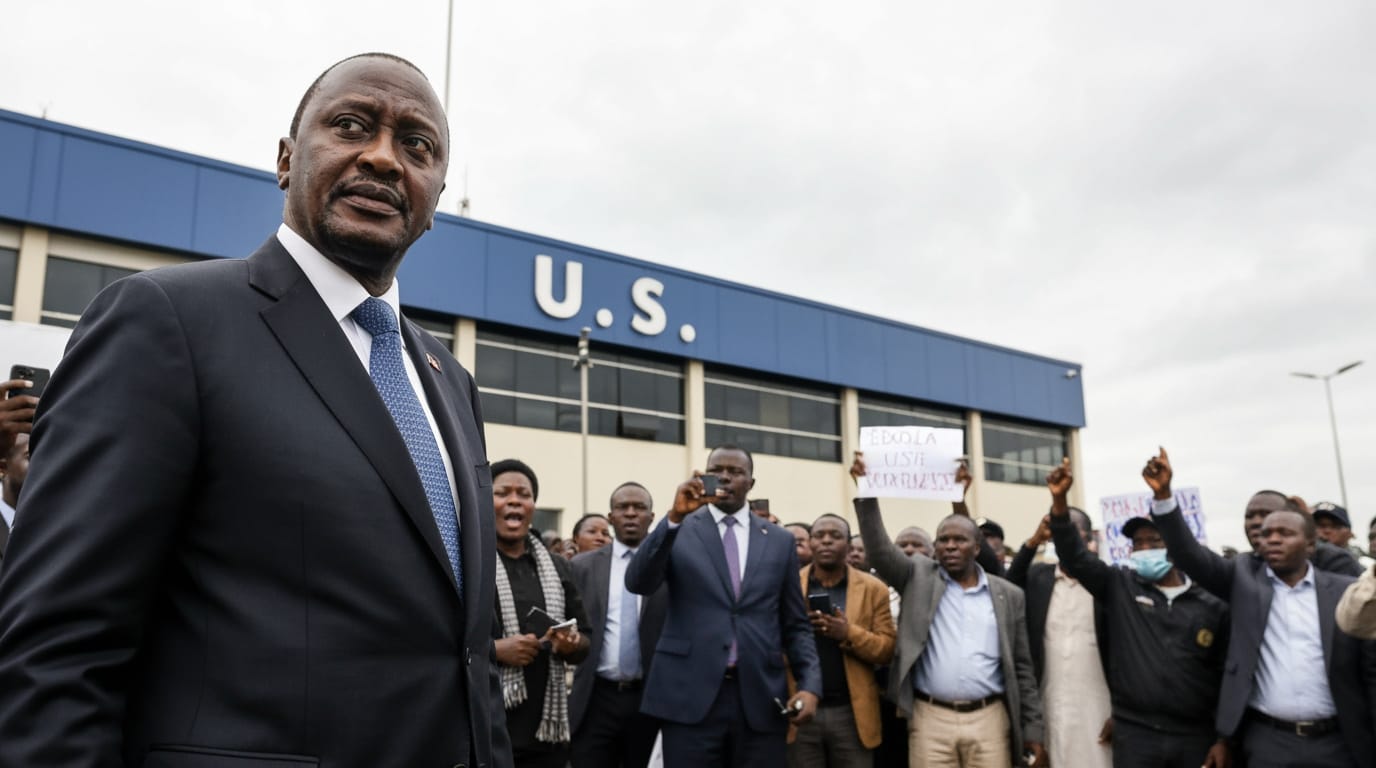
Nairobi, Kenya – Kenya's President William Ruto has publicly defended a contentious U.S.-backed Ebola quarantine facility at the Laikipia Air Base, a move that has ignited widespread protests and triggered legal challenges across the nation. The President's remarks, delivered late Monday, come as demonstrators clashed with police and a High Court order temporarily halted the project, underscoring a deepening public health and diplomatic dilemma for the East African nation. The dispute highlights the complex interplay between international health partnerships, national sovereignty, and public fears surrounding deadly infectious diseases.
The Laikipia Controversy Ignites Public Outcry
The controversy centers on a planned 50-bed Ebola quarantine facility at the Laikipia Air Base in Nanyuki, intended to house American citizens exposed to the Ebola virus, primarily from ongoing outbreaks in the Democratic Republic of Congo and Uganda. Last week, reports surfaced indicating that the U.S. had requested to establish such a center, with initial statements suggesting that American patients developing symptoms would not be repatriated but rather quarantined in Kenya or sent to a third country. This revelation sparked immediate public backlash, with many Kenyans expressing profound concern that the facility could expose local communities to the deadly virus.
Hundreds of residents and local leaders in Nanyuki staged protests on Monday, June 1, near the air base, voicing fears over the potential health risks and questioning the rationale behind Kenya hosting a quarantine center for foreign nationals. The demonstrations escalated, with reports emerging of violent clashes where police deployed tear gas, leading to accounts from protest organizers and security sources of two fatalities from gunshot wounds. A protest organizer, Patrick Wahome, claimed police fired on demonstrators, though a police spokesperson stated they were unaware of any deaths. In Nairobi, a separate group of protesters donned protective gear and carried a coffin emblazoned with "Ebola," demanding the rejection of the facility.
Legal action quickly followed the public outcry. The Law Society of Kenya and the constitutional watchdog Katiba Institute filed a lawsuit, arguing that Kenya's healthcare system, described as "fragile," was ill-equipped to manage foreign Ebola patients. The High Court responded by issuing and later extending orders that temporarily suspended the facility's construction and the arrival of foreign patients. Furthermore, the court mandated that the government disclose all agreements related to the controversial facility within seven days, indicating a demand for greater transparency. Despite these judicial interventions, diplomatic and U.S. official sources noted that military aircraft continued to transport personnel and equipment to the site throughout the weekend, suggesting ongoing preparations regardless of the court orders.
President Ruto's Resolute Defense
In his first public comments on the matter, President Ruto staunchly defended the establishment of the facility, portraying it as a natural extension of Kenya's long-standing health partnership with the United States. He highlighted decades of collaboration, spanning 30 to 40 years, on critical public health initiatives such as HIV/AIDS, Ebola, and COVID-19. President Ruto asserted that the decision was made in response to a direct request from then-U.S. President Donald Trump, emphasizing the bilateral agreement as a partnership with a long-term ally.
The President also sought to reassure the public by stating that the Laikipia facility was "neither unique nor exceptional" but rather one of 24 such centers established across Kenya as part of a comprehensive national preparedness plan for potential Ebola outbreaks. He insisted that these facilities would serve not only foreign partners, including Americans, but also Kenyans, dismissing criticism as "reckless, unnecessary talk" and urging citizens to trust the government's competence. The U.S. has committed $13 million to this partnership, further underscoring the financial investment in the collaboration.
The Geopolitical and Health Context
The rapid developments in Kenya unfold against the backdrop of a significant Ebola outbreak of the rare Bundibugyo strain affecting neighboring Democratic Republic of Congo and Uganda. This outbreak has already claimed 48 lives and has been declared a public health emergency of international concern by the World Health Organization (WHO), signaling the urgency of regional preparedness. While Kenya has not recorded any Ebola cases despite widespread testing of arrivals, the proximity to the affected regions understandably fuels public anxiety.
The proposed U.S. facility is part of a broader strategy to manage potential exposures, particularly for American personnel and citizens operating in affected zones. However, the initial messaging from the U.S. regarding the non-repatriation of symptomatic patients created a perception that Kenya was being asked to shoulder a disproportionate burden of risk. This perception intensified concerns about the fairness and transparency of the bilateral arrangements. Adding to the complexities, U.S. healthcare officials have also voiced opposition to the policy of quarantining American Ebola patients abroad, citing significant clinical, ethical, operational, and legal concerns. They warned that such a precedent could discourage frontline responders and divert resources away from controlling the outbreak at its source.
Navigating National Interest and International Collaboration
The standoff in Kenya underscores the delicate balance nations must strike between fostering international collaboration for public health emergencies and safeguarding national interests and public trust. President Ruto's administration champions the facility as a testament to a vital, enduring partnership with the U.S., framing it as a necessary component of robust national health security. This perspective emphasizes the benefits of shared resources, expertise, and preparedness infrastructure in confronting global health threats.
Conversely, the widespread protests and legal challenges reflect a deep-seated public apprehension, fueled by concerns over health risks, transparency deficits, and perceived infringements on national autonomy. The swift judicial intervention highlights the role of the legal system in scrutinizing executive decisions, particularly when they touch upon public safety and sovereignty. The requirement for full disclosure of agreements related to the facility indicates a societal demand for accountability and open governance in matters of critical public health concern. As both sides remain entrenched, the coming days will reveal whether presidential assurances, legal mandates, or continued public pressure will ultimately shape the fate of the Laikipia Ebola quarantine facility and the future of such international health initiatives on Kenyan soil.


