UN Warns of Soaring Global Temperatures as El Niño Looms, Fueling Extreme Weather
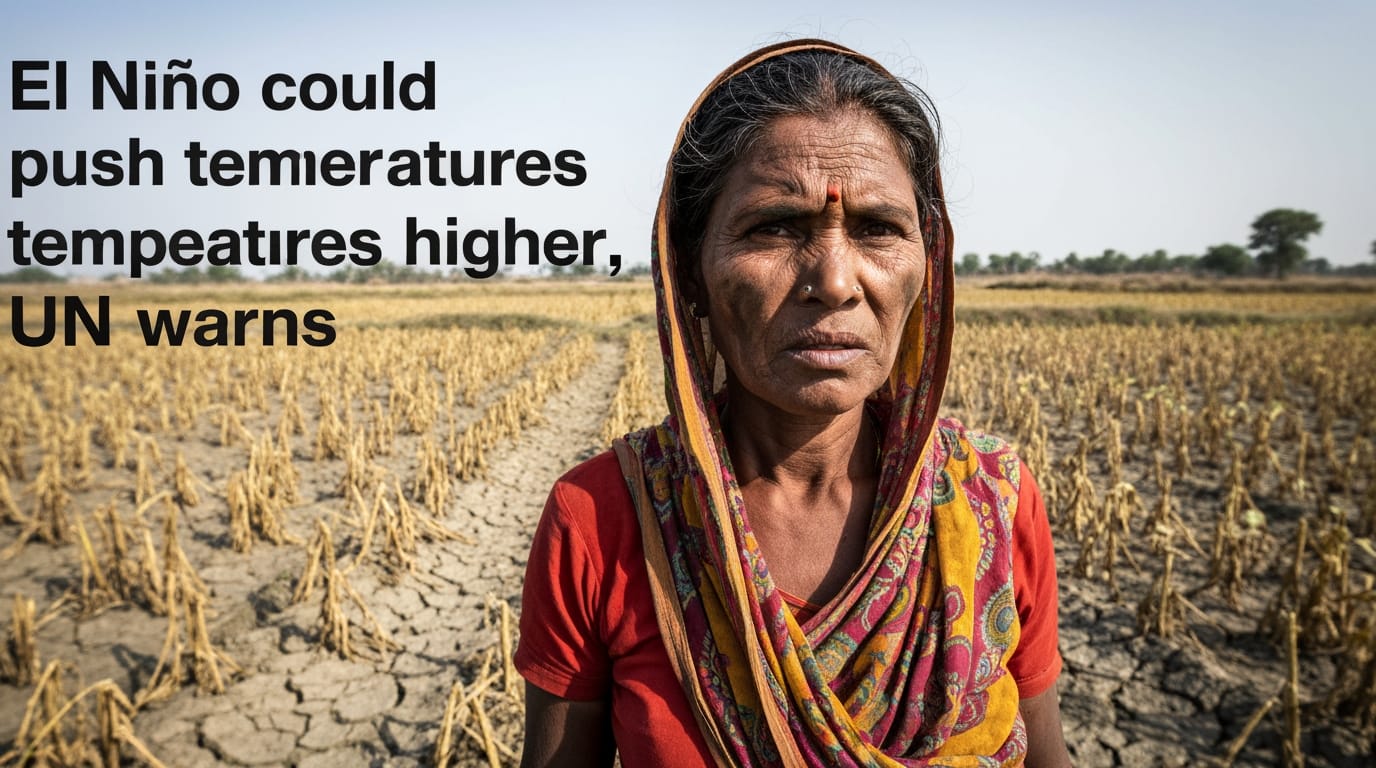
GENEVA – The United Nations has issued a stark warning regarding the impending arrival of El Niño, a natural climate phenomenon poised to amplify global temperatures and intensify extreme weather events across the planet. With an 80% likelihood of El Niño conditions developing between June and August 2026, and a 90% chance of persisting through November, the World Meteorological Organization (WMO) underscores the urgent need for heightened preparedness and decisive action. This forecast comes as the world grapples with a warming climate, leading UN officials to caution that El Niño will "pour fuel on the fire of a warming world," potentially pushing 2027 to become the hottest year on record.
The Impending Climate Shift and UN's Urgent Call
The WMO's latest El Niño/La Niña Update, a critical resource for governments and humanitarian agencies, confirms the rapid warming of sea-surface temperatures in the central and eastern Equatorial Pacific, signaling the imminent onset of El Niño. While the exact strength and timing of its peak remain under observation, most forecast models suggest it will be at least moderate, with the possibility of becoming strong. Celeste Saulo, Secretary-General of the WMO, emphasized the need to prepare for a potentially powerful event that will exacerbate droughts, heavy rainfall, and heatwaves on both land and ocean. UN Secretary-General António Guterres reinforced this message, urging the world to recognize El Niño as an "urgent climate warning," with impacts expected to be more severe and far-reaching than in previous cycles.
El Niño Explained: A Natural Phenomenon Amplified
El Niño is the warm phase of the El Niño-Southern Oscillation (ENSO), a naturally occurring climate pattern characterized by fluctuating ocean temperatures in the central and eastern equatorial Pacific, coupled with changes in the overlying atmosphere. Typically occurring every two to seven years and lasting approximately nine to twelve months, El Niño develops when the easterly trade winds, which normally push warm water westwards, weaken or reverse. This allows warmer waters to spread eastward across the Pacific, influencing atmospheric circulation patterns globally. While El Niño itself is a natural cycle, not directly caused by human-induced climate change, its impacts are undeniably amplified by an already warming world. A hotter baseline temperature provides more energy and moisture to the atmosphere, supercharging extreme weather events such as heatwaves and intense rainfall. The previous strong El Niño in 2023-24, combined with ongoing climate change, contributed to 2024 being the hottest year on record.
Global Hotspots and Extreme Weather Projections
The impending El Niño is projected to bring above-average temperatures to nearly all parts of the globe from June to August 2026, increasing risks of heat stress and compounding hazards. The WMO warns that this will manifest in a diverse range of extreme weather patterns worldwide. Regions such as Australia, Southeast Asia, Central America, and southern Africa are likely to experience increased drought conditions and higher risks of wildfires. Conversely, parts of South America, the southern United States, the Horn of Africa, and central Asia could face heavier-than-normal rainfall and increased flooding. El Niño also influences tropical cyclone activity; it typically enhances hurricane seasons in the central and eastern Pacific while suppressing them in the Atlantic. These disruptions will place immense strain on water resources, agriculture, and infrastructure, with communities already vulnerable to climate variability facing the most severe consequences.
Socioeconomic and Humanitarian Fallout
The far-reaching footprint of El Niño extends beyond weather patterns, significantly impacting agriculture, energy supplies, trade, and livelihoods across entire regions. The phenomenon has historically been linked to crop failures, food shortages, and increased incidence of diseases. Past El Niño events, such as the 2015-2016 cycle, affected tens of millions of people through droughts, floods, and extreme temperatures, pushing communities into food insecurity and exacerbating humanitarian crises. The potential for rising food prices due to disrupted harvests, particularly in key agricultural regions, is also a concern for consumers globally. Vulnerable populations, especially children, are disproportionately affected, facing limited access to clean water, nutritional food, and education in the wake of such climate-induced disasters. The combination of El Niño with ongoing anthropogenic climate change creates a formidable challenge, intensifying existing climate risks and threatening to push more communities beyond their coping capacities.
Urgent Call for Preparedness and Sustained Action
In light of these dire predictions, the UN and WMO are strongly advocating for immediate and comprehensive preparedness measures. This includes strengthening early warning systems, which are vital for saving lives and cushioning economic impacts. Governments, humanitarian agencies, and climate-sensitive sectors are urged to engage in informed decision-making and planning to mitigate the potential devastation. UN Secretary-General Guterres underscored that the only effective long-term response is substantial climate action, including ending the world's reliance on fossil fuels, accelerating the shift to renewable energy, protecting the most vulnerable, and ensuring universal access to early warning systems. International organizations, such as the IFRC, are already working to help communities prepare for and adapt to extreme heat, recognizing that over 500,000 people die each year from heat-related causes. Collaborative efforts are essential to build resilience and provide timely assistance, especially in regions with stretched capacities and limited financial resources.
The convergence of a developing El Niño and an already warming planet presents an unprecedented challenge. While El Niño is a natural oscillation, its interaction with human-caused climate change promises to unleash more intense and widespread extreme weather events. The international community's ability to respond proactively, bolster early warning mechanisms, and accelerate fundamental climate action will be critical in mitigating the humanitarian and economic fallout of this impending climatic shift.