Kenya's State House Budget Soars Amidst Austerity Calls, Sparking National Debate
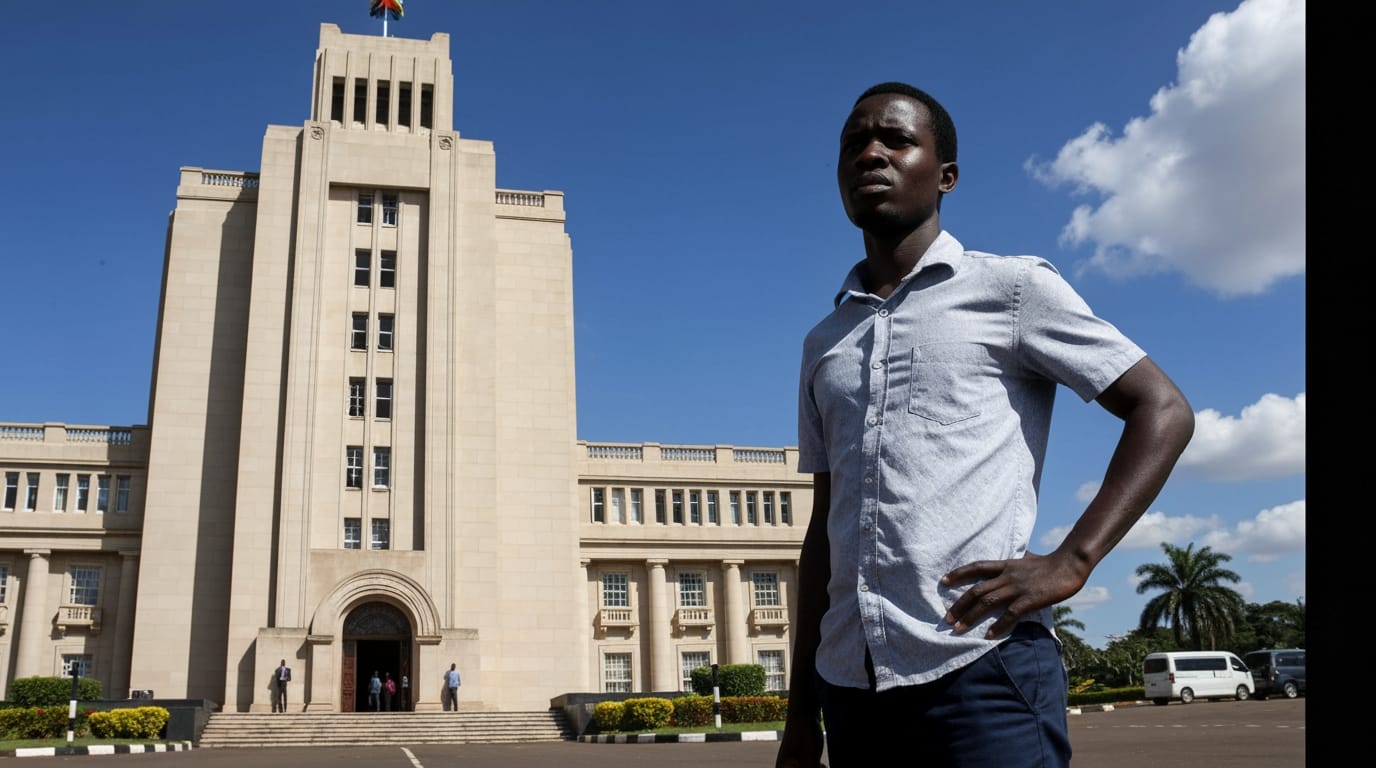
NAIROBI – Kenya's State House budget has become a flashpoint of public and parliamentary scrutiny, nearly doubling in the current 2025/2026 financial year to an estimated KSh 17 billion. This significant increase comes at a time when the government has announced stringent austerity measures to navigate economic challenges, raising concerns about fiscal discipline at the highest levels of power and igniting a robust national debate. The rapid escalation of presidential expenditures, often facilitated through supplementary allocations under constitutional provisions, stands in stark contrast to the sacrifices demanded from ordinary citizens and other vital public sectors.
The Escalating Cost of the Presidency
Initially allocated KSh 8.5 billion for the 2025/2026 fiscal year, the State House budget has since ballooned to KSh 16.998 billion through additional mid-year funding. This represents an increase of approximately KSh 8.42 billion, almost a 98% jump from the original appropriation. Records indicate that by January 2026, halfway through the financial year, the State House had already spent KSh 10.4 billion, exceeding its initial full-year recurrent allocation of KSh 7.7 billion by KSh 2.7 billion, with five months still remaining. In the first quarter of the same financial year (July to September), expenditures stood at KSh 4.32 billion against a quarterly limit of KSh 1.92 billion, marking a 125 percent overrun. This pattern of rapid expenditure, often depleting funds within months of allocation, has drawn sharp criticism from the Controller of Budget.
Austerity Measures Versus Executive Spending
The dramatic rise in the State House budget unfolds against a backdrop of severe fiscal strain and a government-wide directive for austerity. In July 2024, following the withdrawal of the contentious Finance Bill 2024 due to widespread public protests, the Kenyan President announced a raft of austerity measures aimed at addressing a KSh 2.7 billion deficit in the national budget. These measures included a KSh 177 billion cut in government spending, the suspension of non-essential travel for public officers, a 50% reduction in government advisors, and the dissolution of 47 state agencies. The objective was to free up resources for critical sectors and promote fiscal discipline.
However, the expanding State House budget appears to contradict these cost-cutting pronouncements. While other crucial sectors like education and social protection have faced proposed budget cuts – with the education sector experiencing a 5% reduction equivalent to KSh 33 billion in FY 2024/25 – the presidency's allocation has surged. This disparity fuels public frustration, with citizens questioning why they are urged to make sacrifices while the executive's spending footprint expands. Protests in the past have specifically targeted government opulence and wastage, calling for greater accountability.
Behind the Numbers: Allocations and Scrutiny
Officials have attributed the increased State House budget to "salary review and enhanced operations and maintenance," alongside the addition of four new state lodges. Further breakdown of the supplementary allocations reveals significant increases in specific expenditure categories. For instance, hospitality spending has been adjusted from KSh 337.7 million to KSh 1.61 billion, signaling an increase in official functions and receptions. Fuel costs for the presidential fleet are set to rise from KSh 191.2 million to KSh 600.4 million, while vehicle maintenance budgets have climbed by 288% to KSh 530 million. An additional KSh 141 million has been allocated for new vehicle purchases.
A particularly contentious category is "other operating expenses," which is projected to grow by KSh 4 billion to KSh 5.94 billion from an initially approved KSh 1.94 billion. This broad category, often lacking detailed breakdowns, has consistently raised transparency concerns among financial analysts and the public.
Much of this additional funding has been sought under Article 223 of the Constitution, which permits the national government to spend funds not authorized by an appropriation act if initial allocations are insufficient or if an unavoidable emergency arises. While the Constitution requires parliamentary post-facto approval for such expenditures, fiscal analysts at the Parliamentary Budget Office have warned that using Article 223 for non-emergency items like "other operating expenses" constitutes an abuse of the constitution and borders on fiscal indiscipline, undermining budget credibility.
Global Comparisons and National Implications
The scale of Kenya's State House budget becomes even more apparent when compared internationally. The KSh 17 billion allocation reportedly surpasses the budget of the US White House, which stands at approximately KSh 2-2.5 billion. It also exceeds the presidential office budgets of developed nations like Germany (KSh 7 billion) and Portugal (KSh 2.6 billion). Closer to home, Kenya's State House spending is significantly higher than that of Nigeria (KSh 3.1 billion), South Africa (KSh 7.8 billion), Algeria (KSh 8.9 billion), and Tanzania (KSh 1.7 billion), nearly matching France's KSh 17.5 billion.
This comparison highlights a critical issue of priorities and resource allocation within a developing economy that still relies on external financial support. Critics argue that every additional billion directed toward the presidency is a billion that could address pressing public needs such as strengthening public healthcare, improving struggling schools, or tackling persistent food insecurity. The perceived disconnect between the executive's burgeoning expenditure and the economic realities faced by millions of Kenyans risks eroding public trust and undermining the government's calls for shared sacrifice.
Conclusion
The escalating budget of Kenya's State House represents a significant point of contention, pitting the stated need for national austerity against the expanding financial demands of the presidency. While officials cite operational enhancements and growth, the sheer scale of the increases, coupled with the reliance on emergency funding clauses for non-emergency expenses, raises fundamental questions about fiscal responsibility and transparency. As Kenya navigates its economic landscape, the spotlight remains firmly fixed on State House, with calls for greater accountability and prudent resource management echoing across the nation, emphasizing that budgets, more than pronouncements, reveal a government's true values.


