Khartoum's Fragile Reawakening: A Capital Navigates a War-Scarred Present
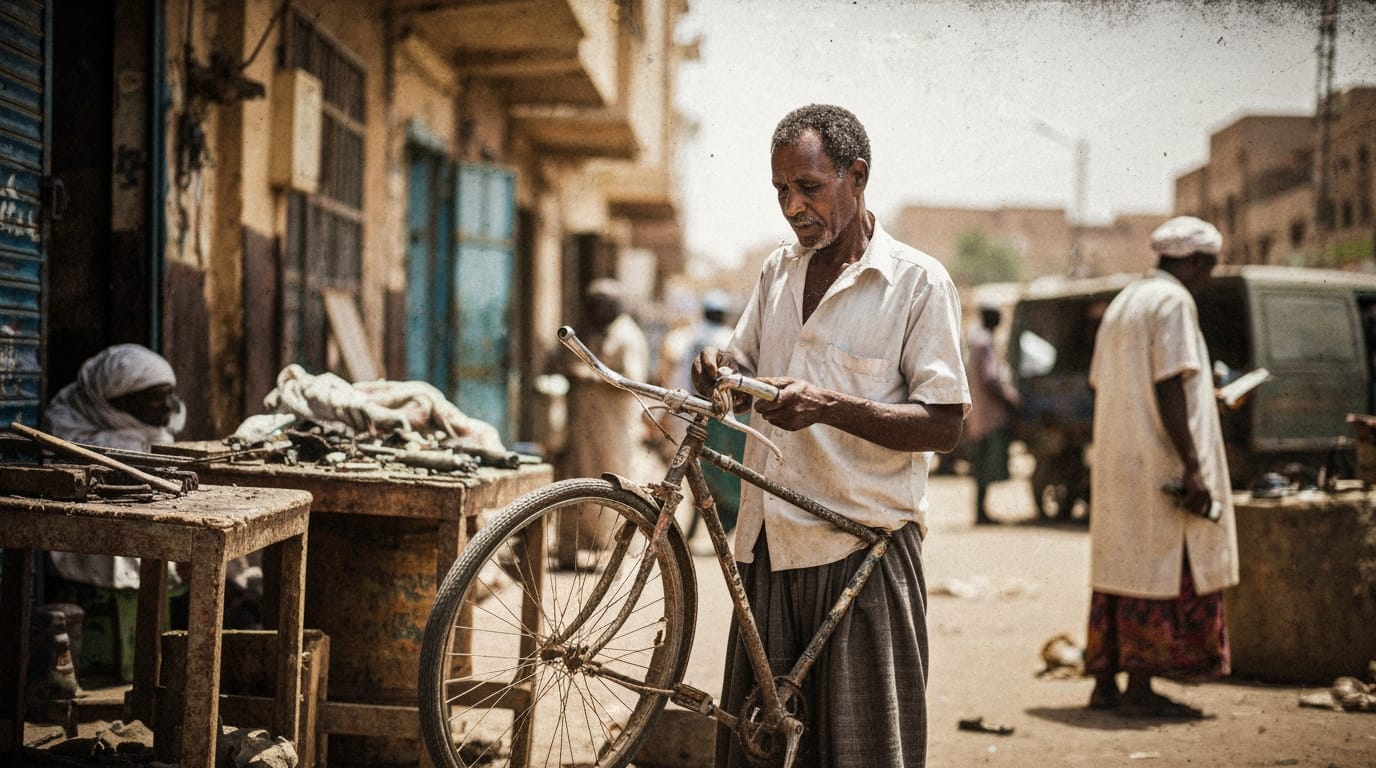
KHARTOUM, Sudan – Amidst the persistent echoes of civil strife that have ravaged Sudan for nearly three years, its capital, Khartoum, presents a disquieting tableau of gradual reawakening. While a semblance of normal life flickers into existence in parts of the city, marked by returning residents and tentative efforts to restore vital services, the scars of devastating conflict and the pervasive threat of renewed violence underscore a deeply fragile reality. The city's pulse, though faint, beats on, but the wounds of war remain visible, deep, and far from healed.
The Appearance of Revival Amidst Rubble
In the heart of Sudan, where the Blue and White Niles converge, Khartoum is slowly stirring. After being largely cleared of Rapid Support Forces (RSF) presence by the Sudanese Armed Forces (SAF) by March 2025, parts of the capital, particularly areas like Omdurman, have witnessed a noticeable influx of returning residents. Between November 2024 and September 2025, over a million displaced individuals made their way back to Khartoum, seeking to rebuild lives shattered by the conflict. This gradual return has seen markets tentatively reopening and government alongside grassroots initiatives working to restore some critical services. Siddiq Hassan Freini, Minister of Social Development for Khartoum State, noted the role of local communities and civil society organizations in Omdurman's recovery, highlighting efforts to bring back essential services such as water, electricity, healthcare, and education. Hospitals, including Omdurman Teaching Hospital, Omdurman Maternity Hospital, and the Saudi Hospital, have resumed operations after rehabilitation. On the surface, the sight of people navigating streets and engaging in daily commerce offers a glimmer of hope, a testament to the resilience of a populace determined to reclaim their city.
Beneath the Surface: Lingering Destruction and Enduring Threats
Despite these visible signs of re-emergence, a closer look reveals the profound and enduring damage inflicted upon Khartoum. The city's infrastructure has been largely decimated, with widespread destruction marking neighborhoods and bullet holes scarring homes and high-rises. Electrical substations have been severely damaged and looted, crippling power supply, and formal banking systems remain largely inaccessible. The International Organization for Migration (IOM) cautioned that while returns indicate resilience, they also serve as a warning, with basic services across the city remaining "shattered" or "barely functioning".
Furthermore, the conflict, though shifted in its primary focus, continues to cast a long shadow over the capital. While the SAF regained significant control of Khartoum by early 2025, the broader civil war between the SAF and RSF remains ongoing across Sudan. The government had to relocate to Port Sudan following the initial outbreak of conflict in April 2023 when the RSF seized large parts of Khartoum. As recently as January 2026, the RSF launched attacks on SAF positions on the western reaches of Khartoum State near Omdurman, signaling that the capital's security remains precarious and subject to immediate threats. Drone strikes, which intensified in 2025, have also concentrated 88% of their attacks in Kordofan, Darfur, and Khartoum, demonstrating the pervasive nature of the aerial conflict and its continued reach into the capital.
A Deepening Humanitarian Catastrophe
Beyond the immediate battlegrounds, Sudan faces a humanitarian crisis of "catastrophic proportions," profoundly impacting Khartoum and its returning residents. More than two years into the civil war, nearly 12 million people have been forcibly displaced across Sudan as of November 2025, with over 7.2 million internally displaced within the country. This massive displacement crisis is one of the world's largest and fastest-growing.
The conflict has severely disrupted supply chains and agricultural activities, pushing all 18 states into critical food insecurity. More than 25 million people – over half of Sudan's population – are suffering from acute food insecurity, with famine confirmed in at least five areas as of December 2024. The healthcare system is on the verge of collapse, with over 70% of facilities non-functional. This has exacerbated outbreaks of diseases such as cholera, malaria, and dengue fever, placing immense strain on an already overwhelmed population. The absence of clean water and adequate sanitation further compounds these health risks. The International Organization for Migration has noted that many returnees live in damaged homes or collective centers with limited access to basic amenities and protection.
A Precarious Future and Unseen Hardships
The decision for many to return to Khartoum is often a desperate one, driven by severe economic hardship and the absence of viable alternatives in other parts of the country. For individuals like Afaf al-Tayeb, who returned to find her home looted and possessions gone, the homecoming is "bittersweet." The task of rebuilding is immense, requiring billions of dollars and years of effort, while the ongoing insecurity and bureaucratic hurdles severely hamper the delivery of humanitarian aid. Peace talks have stalled, with little sign of de-escalation, and both warring factions continue to receive external military support, prolonging the suffering.
The government's call for inhabitants to return home comes at a steep price, as the city struggles with the profound destruction of its infrastructure and the enduring humanitarian crisis. With approximately 2.7 million more displaced people potentially seeking to return if conditions improve, the challenges of providing basic services and security will only grow.
Conclusion
Khartoum's current state is a stark dichotomy: a city striving to resurrect itself from the ashes of conflict while still grappling with its devastating aftermath and the persistent threat of active warfare. The visible signs of returning life and local rebuilding efforts are testaments to the indomitable spirit of its people. Yet, beneath this veneer of emerging normalcy lies a reality of shattered infrastructure, pervasive humanitarian suffering, and a fragile security environment. For Khartoum, the path to genuine peace and comprehensive recovery remains arduous and uncertain, a daily struggle for survival and dignity in a nation deeply wounded by prolonged conflict.


