Kremlin Offers Debt Relief as Incentive for Ukraine War Recruits
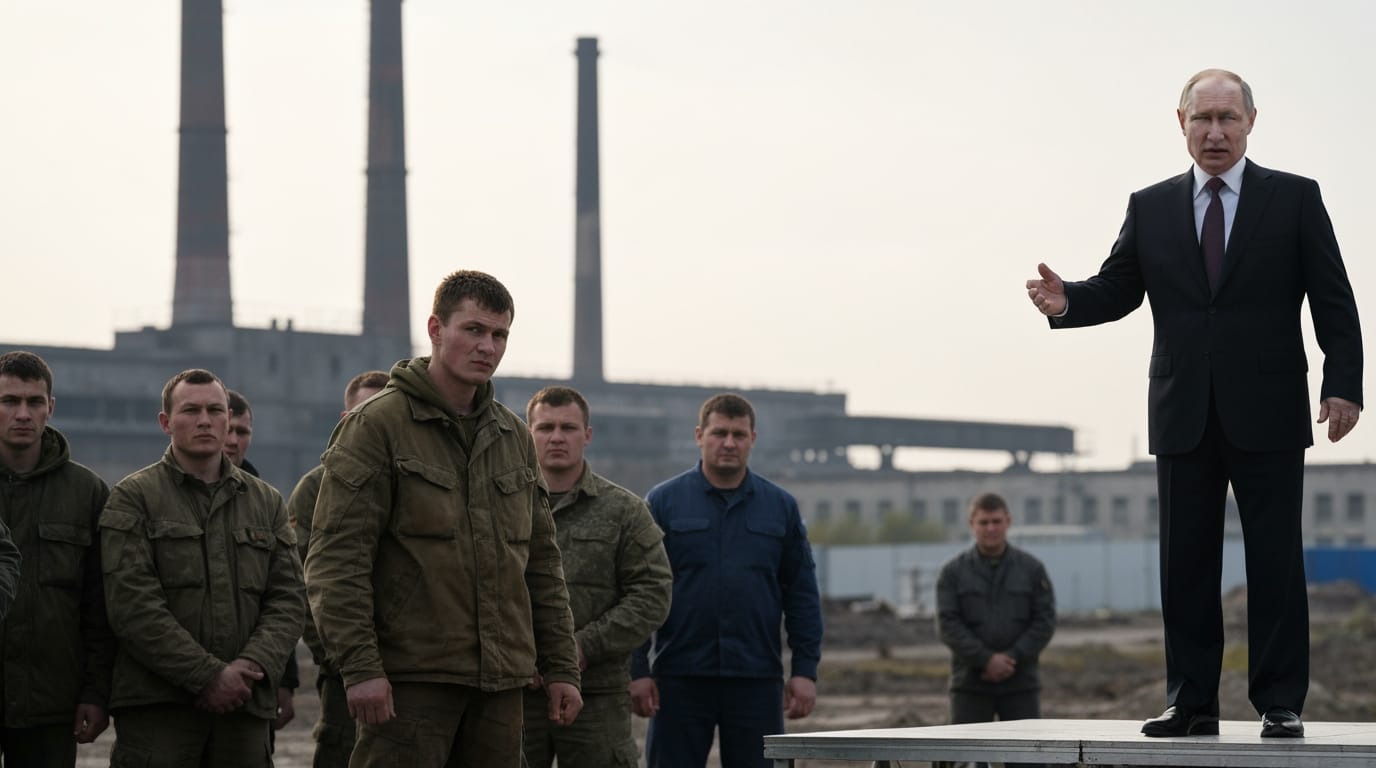
Moscow, Russia – In a significant move to bolster its military ranks, Russian President Vladimir Putin has signed a decree offering substantial debt relief to new recruits for the conflict in Ukraine and their spouses. The measure, announced late Monday, May 25, 2026, underscores the Kremlin's ongoing efforts to attract personnel amid a protracted conflict and aims to alleviate financial burdens for those willing to sign military contracts. This latest incentive, part of a broader strategy of financial and social benefits, seeks to encourage enlistment without resorting to another large-scale, potentially unpopular, mobilization drive.
A New Decree Amid Ongoing Conflict
The decree, published on the Kremlin's official website, stipulates that individuals who sign a contract with the Russian Defense Ministry from May 1, 2026, for a minimum duration of one year, are eligible for debt write-offs. Their spouses are also included in this provision. The relief covers debts up to 10 million rubles, an amount equivalent to approximately $139,700, provided that legal claims for collection were already in force before May 1. This substantial sum is comparable to the price of a 35-square-meter studio apartment in Moscow, highlighting the significant financial inducement offered.
This policy marks a continuation and expansion of previous measures. A similar debt write-off scheme was first introduced in November 2024, applying to individuals who signed contracts from December 1, 2024. That initial legislation also covered debts up to 10 million rubles for mobilized soldiers, conscripts, and contract soldiers, with the condition that enforcement proceedings were initiated before December 1, 2024. Additionally, a debt relief bill passed in September 2022 provided for loan repayment freezes and outright debt forgiveness for soldiers killed or severely injured, extending to their immediate family members.
Eligibility and Conditions
To qualify for the newly announced debt relief, recruits must meet specific criteria. The military contract must be signed with the Russian Defense Ministry on or after May 1, 2026, and be for a minimum term of one year, specifically for participation in what the Kremlin terms the "special military operation" in Ukraine. Critically, the debts eligible for cancellation must have been incurred before the military contract was signed. Furthermore, a court decision on debt collection must have been in force, or enforcement proceedings must have commenced, prior to the May 1, 2026, cutoff date. This targets individuals already facing significant financial distress and legal action over their liabilities.
The inclusion of spouses in the debt relief program further extends the reach of the incentive, recognizing the financial interconnectedness of families. This comprehensive approach aims to alleviate a wider range of household economic pressures, making military service a potentially more appealing option for individuals seeking a fresh financial start.
Broader Recruitment Strategy and Economic Context
This debt relief initiative is part of a multi-faceted recruitment strategy employed by Moscow to maintain and augment its forces in Ukraine. The Kremlin has consistently offered a variety of other financial and social incentives. These include significant one-time payments, with some regions offering bonuses exceeding 2 million rubles (over $23,800), and monthly salaries that are several times the national average. Preferential admission to higher education for recruits and their children, as well as housing assistance and indefinite rental rights for state land, are also part of the comprehensive support package.
These incentives reflect Russia's pressing need for military personnel in a conflict that has now extended beyond four years. Recruitment figures have reportedly fallen below targets, with Russia aiming for around 1,100 new contracts per day but achieving closer to 940 between January and March. The strategy seeks to avoid a broad and unpopular mobilization similar to the partial mobilization in September 2022, which led to an exodus of tens of thousands of Russian men. By appealing to economic desperation, particularly in financially struggling regions, the government hopes to attract a steady stream of volunteers.
Analysts suggest that the policy highlights the economic strain the ongoing conflict has placed on Russia. The cost of war and Western sanctions have reshaped state policies, with the needs of the military often taking priority. The reliance on financial incentives, including debt write-offs, indicates that for many, military service is becoming a means of economic survival rather than purely a patriotic duty. There are also reports of recruitment efforts targeting vulnerable populations, including foreign nationals and even prisoners, with promises of financial rewards or citizenship.
Human Impact and Future Implications
For thousands of Russians burdened by mounting debt, this decree presents a profound shift in their financial outlook. For individuals facing court-ordered debt collections, military service now offers a pathway to immediate relief, potentially wiping out years of financial stress. This policy transforms the calculation for many, aligning personal financial liberation with military enlistment, particularly in regions where economic opportunities are limited.
However, the strategy also raises questions about the long-term societal and economic implications. While offering a short-term solution for recruitment challenges, it ties individual economic well-being directly to the demands of the military campaign. The continued expansion of such benefits suggests a deep and persistent need for manpower, underscoring the human cost of the ongoing conflict. As peace talks with Ukraine remain stalled, Russia continues to seek innovative ways to sustain its military efforts, with financial incentives playing an increasingly central role in its recruitment drives.


