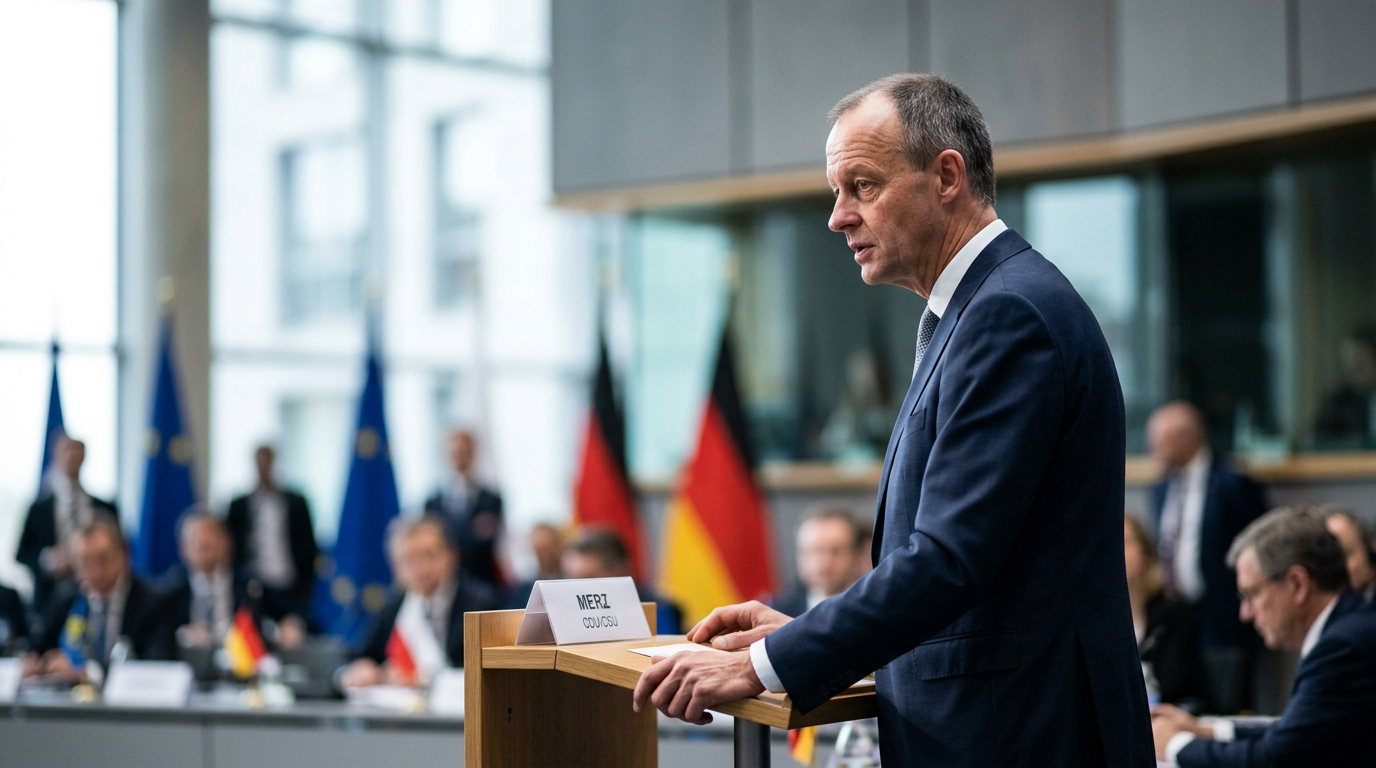
Kushner Scraps Belgrade Hotel Plan Amid Corruption Probe, Public Outcry
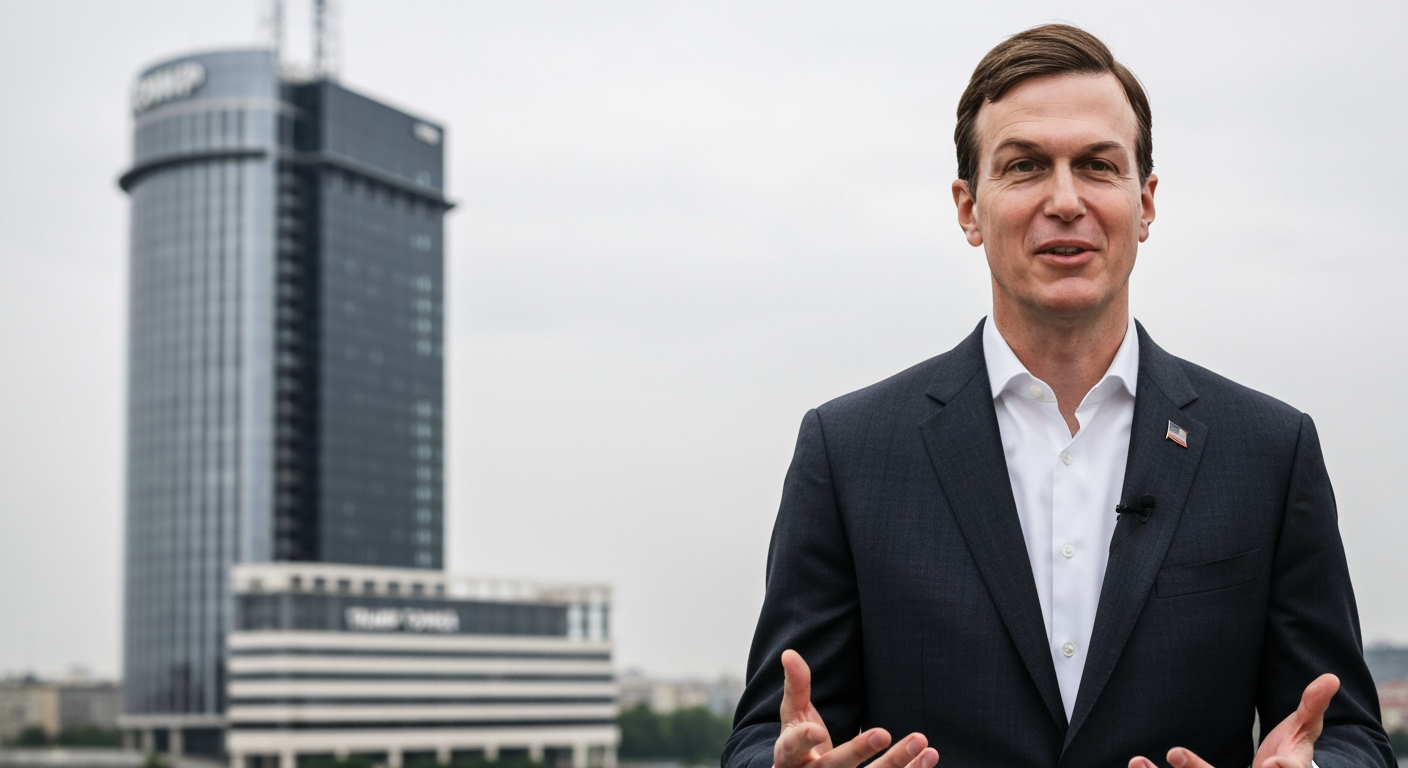
BELGRADE, Serbia — Jared Kushner's private equity firm, Affinity Partners, has withdrawn its contentious plans for a Trump-branded luxury hotel and residential complex in Belgrade, effectively abandoning a high-profile project that had become ensnared in a widening corruption scandal and fueled widespread public protests in Serbia. The decision, announced Monday, follows the indictment of a Serbian cabinet minister and several other officials linked to the project, which aimed to redevelop the historically charged site of the former Yugoslav Army General Staff building.
The planned development, initially hailed by the Serbian government as a cornerstone of urban renewal and a boost to international ties, faced immense domestic opposition over its location and the alleged circumvention of heritage protection laws. Critics argued the project symbolized a disregard for national history and raised serious concerns about transparency and governance. The abrupt cancellation leaves the future of the prominent, war-damaged site uncertain and underscores the complex interplay between foreign investment, local politics, and public sentiment.
A Grand Vision on a Scarred Landscape
The Trump Tower Belgrade project, also referred to as Belgrade Centrum, envisioned a 175-room luxury hotel, commercial spaces, and approximately 1,500 residential units across three towers, with an estimated cost of US$500 million. Donald Trump himself first expressed interest in a Serbian hotel project as early as 2013, with his son-in-law, Jared Kushner, actively pursuing the initiative through his firm, Affinity Partners, after leaving his White House advisory role in 2021. The development was set for the highly symbolic General Staff Building in Savski Venac, a modernist architectural landmark designed by Nikola Dobrović, which has stood in ruins since it was heavily damaged during the 1999 NATO bombing campaign.
The Serbian government, led by President Aleksandar Vučić, enthusiastically supported the venture, perceiving it as a significant foreign investment that would elevate Belgrade's global profile and foster closer ties with the United States. The proposal included a 99-year lease of the land to Kushner's company, with the government slated to hold a 22.5% stake in the joint venture. Plans also incorporated a museum and memorial dedicated to the victims of the NATO bombing, managed by the Serbian government and designed by local architects. However, the very heart of the project – the redevelopment of a site steeped in national memory – ignited a fervent debate across Serbian society.
From Heritage Site to Development Battleground
The General Staff Building, despite its war-torn state, held protected cultural heritage status due to its architectural significance and its role as a poignant reminder of the 1999 conflict. To pave the way for Kushner’s project, the Serbian government moved to strip the site of this protected status in late 2024. This action, however, quickly became the epicenter of a major controversy.
Investigations by Serbian prosecutors subsequently revealed that Goran Vasić, the then-acting director of the Republic Institute for the Protection of Cultural Monuments, had admitted to fabricating an expert's opinion to justify revoking the building's protected status. This startling admission led to his arrest and charges of abuse of official position and falsification of an official document.
Public outrage intensified, leading to widespread protests across Belgrade. Thousands of citizens, including student activists, architects, and military veterans, formed human chains around the bombed-out ruins, demanding the cancellation of the contract and the preservation of the site as a memorial. Protesters argued that the government was prioritizing foreign business interests over national heritage and accused President Vučić's administration of a lack of transparency and potential corruption. Opposition politicians publicly labeled the deal as "high treason" and unconstitutional, further challenging the government's efforts to fast-track the project through special legislation.
The Project's Demise and Conflicting Reactions
The mounting pressure culminated on Monday, December 15, 2025, when Jared Kushner’s Affinity Partners announced its withdrawal from the project. A spokesperson for the firm stated the decision was made "out of respect for the people of Serbia and the City of Belgrade" and because "meaningful projects should unite rather than divide." This announcement followed the indictment of Serbian Minister of Culture Nikola Selaković and three others in connection with the "illegalities when removing a status of cultural heritage site from the army headquarters buildings."
Serbian President Aleksandar Vučić voiced his strong disapproval of the cancellation, accusing prosecutors of orchestrating a "witch hunt" and engaging in "economic sabotage" against Serbia. He lamented that the cancellation left the city with a destroyed building and pledged to personally file criminal charges against those he believed were responsible for undermining the investment. His reaction highlighted the deep political divisions within Serbia regarding the project and the broader issues of governance and national development.
Broader Implications for Serbia and Foreign Investment
The collapse of the Trump Tower Belgrade project carries significant implications for Serbia’s political landscape, its relationship with international investors, and the future of its cultural heritage. The controversy intensified calls for greater accountability and transparency within the Serbian government, particularly concerning large-scale development projects and public-private partnerships. The legal proceedings against high-ranking officials underscore the risks associated with projects perceived to lack legitimate legal grounding and proper oversight.
For the site of the General Staff Building, the cancellation means a return to an uncertain future. While activists may celebrate the preservation of its historical integrity, President Vučić's concerns about the building remaining a "destroyed building" reflect the ongoing challenge of finding a suitable solution that respects its past while contributing positively to Belgrade's urban fabric.
Globally, the incident serves as a cautionary tale for foreign investors, particularly those with political ties, operating in regions where governance frameworks may be perceived as weak and public sentiment strongly influences project viability. The intertwining of the Trump family's business ambitions with the sensitivities of a post-conflict nation, coupled with allegations of corruption, created an untenable situation that ultimately led to the project's undoing, demonstrating that even politically connected ventures can buckle under sustained public and legal pressure.
Related Articles

Ratko Mladić, "Butcher of Bosnia" and Convicted War Criminal, Dies at 84
THE HAGUE, Netherlands – Ratko Mladić, the former Bosnian Serb military commander known as the "Butcher of Bosnia" and convicted of genocide, war crimes, and crimes against humanity, has died at the age of 84. Serbian...

Long-Awaited 9/11 Mastermind Trial Set for 2028, Decades After Attacks
GUANTANAMO BAY, Cuba – Nearly a quarter-century after the devastating terror attacks of September 11, 2001, a military judge has finally set a trial date for Khalid Sheikh Mohammed, the alleged mastermind behind the...