Kyiv Battles Unprecedented Winter as Attacks Cripple Essential Services
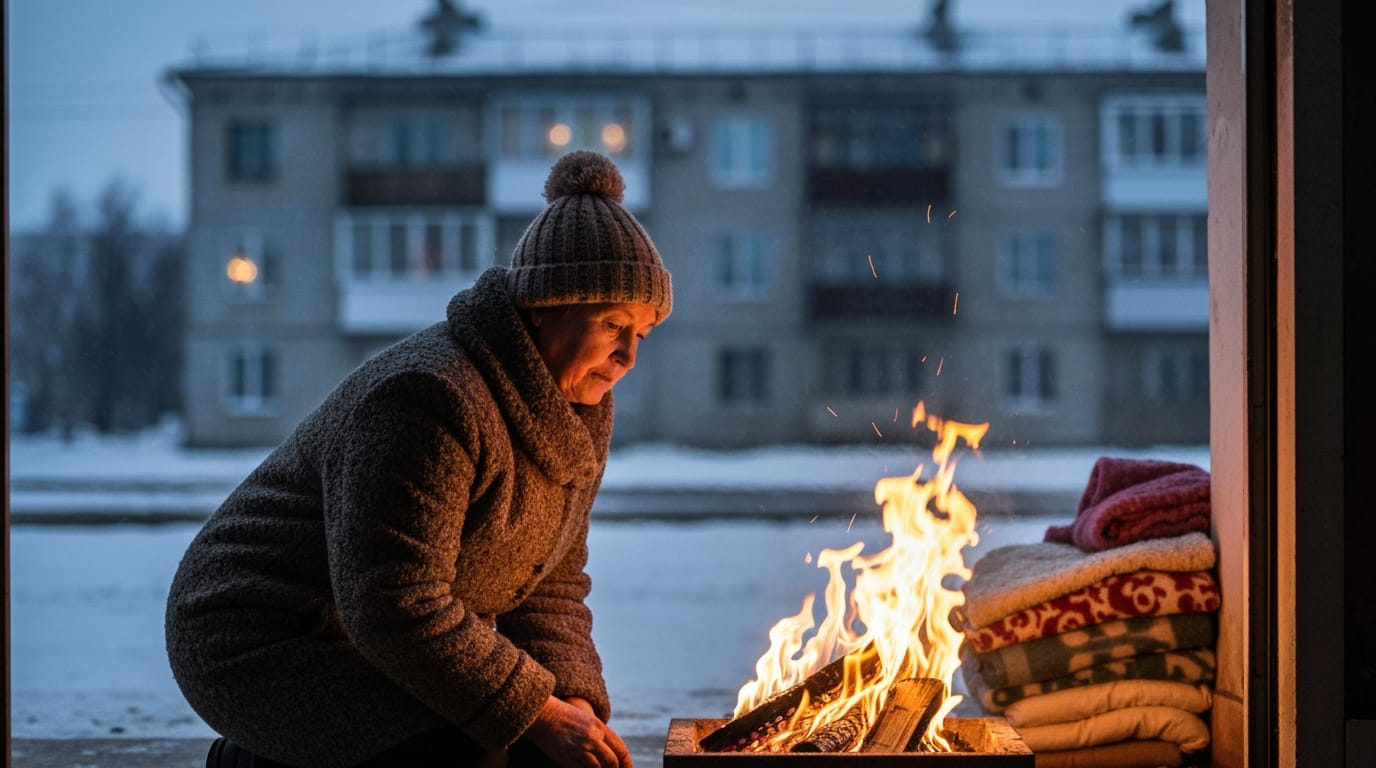
KYIV, Ukraine – As temperatures plummet to dangerously low levels, Kyiv finds itself in the grip of an "unprecedented" energy crisis, marking the most severe winter challenges since the onset of the full-scale conflict nearly four years ago. Relentless missile and drone attacks have systematically targeted the city's vital infrastructure, plunging hundreds of thousands into freezing darkness and testing the limits of human endurance. Despite the brutal conditions, residents of the Ukrainian capital are demonstrating remarkable ingenuity and resilience, relying on everything from blankets and batteries to communal heating centers to navigate a winter weaponized by ongoing aggression.
The Deep Freeze and Deliberate Targeting of Civilian Life
The current winter of 2025-2026 has brought with it a profound escalation in Russia's campaign to cripple Ukraine's energy grid, aiming to break the morale of the civilian population. Recent mass missile and drone attacks have left vast swathes of Kyiv without electricity, heating, and even running water, according to city officials. Kyiv Mayor Vitali Klitschko described the situation as "very difficult," with approximately 6,000 buildings—nearly half of the city's total—initially losing heating and hundreds still without it days later. Following intense strikes, an estimated 70% of the capital was left without electricity.
Temperatures have consistently dropped to -10 degrees Celsius and below, with some forecasts indicating a perceived temperature as low as -20 degrees Celsius. This severe cold exacerbates the impact of power outages, making repairs significantly more complicated as equipment and pipes freeze. Ukrainian President Volodymyr Zelenskyy has stated that Russia deliberately waited for freezing weather to intensify attacks, characterizing it as "deliberate, cynical Russian terror targeting civilians." Ukraine has since declared a state of emergency in its energy sector, particularly in Kyiv, to address the widespread disruptions. The chief executive of Ukrenergo, Vitaliy Zaichenko, highlighted the strategic intent behind these attacks, noting that Russians are attempting to disconnect the city and force residents to evacuate.
Ingenuity Amidst Adversity: The Everyday Fight for Warmth
In response to the systemic targeting of energy infrastructure, Kyiv's residents have developed a myriad of survival strategies, transforming everyday items into lifelines. The mantra of "blankets, batteries, fires" encapsulates the resourcefulness seen across the city. Inside frigid apartments where centralized heating struggles or is nonexistent, people layer multiple items of clothing, wear thermal underwear, and bundle up in blankets, sometimes sleeping together in one bed for warmth. Many rely on large portable batteries to power essential devices, including electric oil-filled radiators, though these provide only temporary relief and charging opportunities are scarce. Some families in particularly hard-hit areas have resorted to melting snow for washing and heating water over candles, illustrating the drastic measures undertaken to cope.
Beyond individual households, communal efforts play a critical role. So-called "Invincibility Points" or "Points of Resilience" have been established across the city, providing heated spaces where residents can warm up, charge their phones and other devices, and access internet connectivity. More than 1,200 such centers operate in Kyiv, supplemented by an additional 68 heating points set up by emergency services and humanitarian organizations. The Ukrainian Red Cross, for instance, runs heating points that offer hot meals, warm drinks, and charging facilities, serving approximately 700 people daily. Even stationary "Invincibility Trains," painted in the blue-and-white colors of Ukrainian Railways, serve as symbols of resilience, offering refuge from the cold and opportunities to charge devices. Rescuers also provide practical advice, urging residents to use layering for clothing, seal window cracks, and place foil insulation behind radiators to maximize warmth.
The Broader Humanitarian Response and Lingering Challenges
The relentless attacks have placed immense strain on Kyiv's municipal services and humanitarian organizations. Engineers from local authorities and private energy firms work tirelessly, often around the clock in sub-zero temperatures, to repair damaged cables and substations. However, these fixes are frequently temporary, with DTEK Grids admitting they are operating in an "emergency mode" and equipment is running at critical levels. The intensity of strikes has been so frequent that recovery efforts struggle to keep pace with new damage, according to DTEK's CEO Maxim Timchenko.
The humanitarian community, including the UN and its partners, along with the International Committee of the Red Cross (ICRC), is actively engaged in providing critical assistance. Millions of people depend on these essential services, and organizations are distributing aid such as blankets, solar lamps, hygiene parcels, and cash grants to vulnerable households. The UN and partners have launched a $2.31 billion humanitarian appeal for 2026 to support 4.12 million people facing the most severe needs. Despite these efforts, displacement continues as civilians flee frontline areas, seeking shelter and assistance in safer regions. The damage to energy infrastructure has also created broader economic and educational challenges, forcing schools to adapt with significant infrastructure upgrades to maintain operations during outages.
The psychological toll on residents is significant, facing constant cold, disruption, and the underlying threat of renewed attacks. Yet, a defiant spirit prevails. As one Kyiv resident noted, the goal of the attacks is to "break us," but instead, "this makes us tougher and more determined."
A City's Unyielding Spirit
Kyiv's journey through this icy winter is a stark illustration of a city under siege, where the fundamental necessities of warmth, light, and water have become battlegrounds. The current "unprecedented" energy crisis, exacerbated by strategic targeting during freezing temperatures, has pushed the limits of the capital's infrastructure and its inhabitants. However, the narrative is not one of capitulation but of profound resilience. From individual acts of perseverance within cold apartments to organized communal support at "Invincibility Points," the people of Kyiv continue to adapt and resist. While the challenges remain immense and the need for international support is urgent, the city's unwavering spirit shines through, embodying a refusal to be frozen into submission.


