Landmark US-India Interim Trade Deal Unveiled, Reshaping Bilateral Economic Landscape
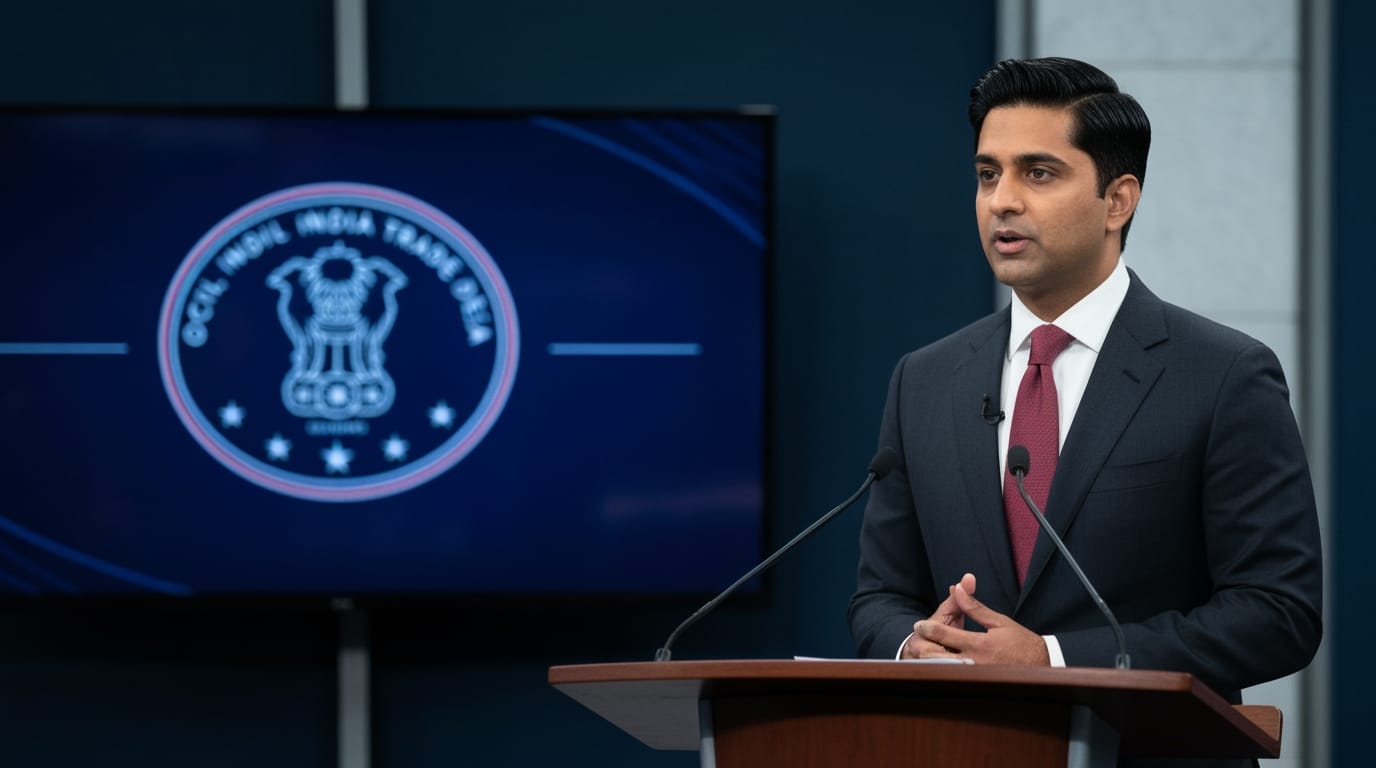
Washington D.C. and New Delhi – The United States and India have formally announced a framework for an Interim Trade Agreement, marking a pivotal moment in their evolving economic and strategic partnership. This comprehensive framework, unveiled on February 6, 2026, aims to significantly de-escalate trade tensions, foster reciprocal market access, and lay the groundwork for a broader bilateral trade agreement. The interim accord promises substantial tariff reductions for goods flowing in both directions, alongside strategic commitments that underscore the deepening ties between the world's two largest democracies.
The joint statement from the White House and India's Commerce Ministry outlines a pact designed to stimulate trade across key sectors, building upon initial negotiations launched by President Donald J. Trump and Prime Minister Narendra Modi in February 2025. This development arrives after a period of strained trade relations, characterized by reciprocal tariffs and disputes, signaling a renewed commitment to a more collaborative economic future.
Sweeping Tariff Reductions and Market Access
A cornerstone of the newly announced framework is the dramatic reduction in tariffs on Indian goods entering the U.S. market. Tariffs, which had climbed to approximately 50% due to a combination of reciprocal duties and additional penalties related to India's continued purchase of Russian oil, are set to be slashed to an effective rate of 18%. This move is expected to immediately boost the competitiveness of a wide array of Indian exports, including textiles and apparel, leather goods, plastics, organic chemicals, and artisanal products. Industry analysts predict this reduction could contribute an additional 20 to 30 basis points to India's GDP growth.
In return, India has committed to eliminating or substantially reducing tariffs on a broad spectrum of U.S. industrial goods and agricultural products. These include dried distillers' grains, red sorghum for animal feed, various tree nuts, fresh and processed fruits, soybean oil, and alcoholic beverages such like wine and spirits. Furthermore, India has pledged to work towards removing non-tariff barriers on U.S. industrial goods, aiming for zero restrictions. This reciprocal opening of markets is anticipated to provide significant opportunities for American producers and exporters.
While the U.S. tariff reductions are slated for immediate implementation via executive order, India's adjustments will follow a distinct legal process, governed by Most Favored Nation (MFN) tariff commitments, with full authorization expected by mid-March 2026.
Strategic Energy Shift and "Buy American" Commitments
Beyond tariff adjustments, the interim agreement includes significant strategic elements, most notably concerning energy and procurement. A key reported component is India's commitment to significantly reduce or cease its purchases of Russian crude oil, instead pivoting its energy procurement towards the United States and potentially Venezuela. This reported shift aligns with broader geopolitical objectives, though India has yet to publicly confirm such a commitment, and experts highlight potential logistical and economic challenges in fully weaning off Russian oil imports. Historically, energy sourcing has been a complex balance for India, weighing cost-effectiveness against geopolitical alignments.
Adding to the strategic depth of the deal, India has also expressed a stronger commitment to a "Buy American" policy for government and large-scale industrial procurements. This includes a reported pledge to purchase up to $500 billion worth of U.S. energy, technology, coal, and agricultural products. While this figure signals a substantial intent, some analysts view the $500 billion target as highly ambitious, given India's current import levels from the U.S., which were less than $50 billion in goods in 2024.
Safeguards and Sectoral Impacts
The agreement also reflects a careful balancing act to protect sensitive domestic industries in both nations. India successfully negotiated the exclusion of its sensitive dairy and core agricultural sectors, such as staple crops, from tariff reduction commitments, ensuring protection for its substantial farming population. On the U.S. side, while an 18% reciprocal tariff will apply to many Indian goods, the agreement also signals future removal of these reciprocal tariffs on specific items like generic pharmaceuticals, gems and diamonds, and aircraft parts, contingent on the finalization of the broader agreement. The framework further provides for the removal of U.S. tariffs on certain Indian aircraft and aircraft parts previously imposed under national security proclamations, and India is set to receive a preferential tariff rate quota for automotive parts.
The deal is expected to particularly benefit India's textile and apparel sector, which previously faced a combined tariff burden of up to 50% in the U.S. market. With the new 18% rate, India gains a competitive edge over regional rivals like Vietnam and Bangladesh, which face tariffs of 20%, and significantly lower than China's 30-35%.
Path Forward for a Comprehensive Bilateral Agreement
This interim framework is explicitly designed as a stepping stone towards a more comprehensive U.S.-India Bilateral Trade Agreement (BTA). Discussions surrounding the BTA, which commenced in February 2025, are expected to delve into additional market access commitments and strategies for building more resilient supply chains. The current framework, for instance, leverages India's SHANTI Act of 2025 to grant U.S. firms enhanced access to India's civil nuclear and data center markets, showcasing avenues for deeper technological and strategic cooperation.
Total bilateral trade in goods and services between the two nations was estimated at $212.3 billion in 2024, demonstrating consistent growth. The U.S. remains one of India's largest trading partners, with exports to the U.S. consistently forming a significant portion of India's total exports. This interim agreement, by addressing long-standing trade irritants and introducing new avenues for cooperation, is poised to significantly accelerate this growth trajectory and solidify the economic underpinnings of the U.S.-India strategic partnership.
The formal legal agreement detailing these provisions is anticipated to be finalized within the next four to six weeks, with a signing projected by mid-March 2026. This timeline underscores the urgency and mutual interest in cementing these economic reforms and ushering in a new era of enhanced trade and cooperation between the United States and India.