Liberia to Accept 1,200 U.S. Third-Country Deportees in Landmark Agreement

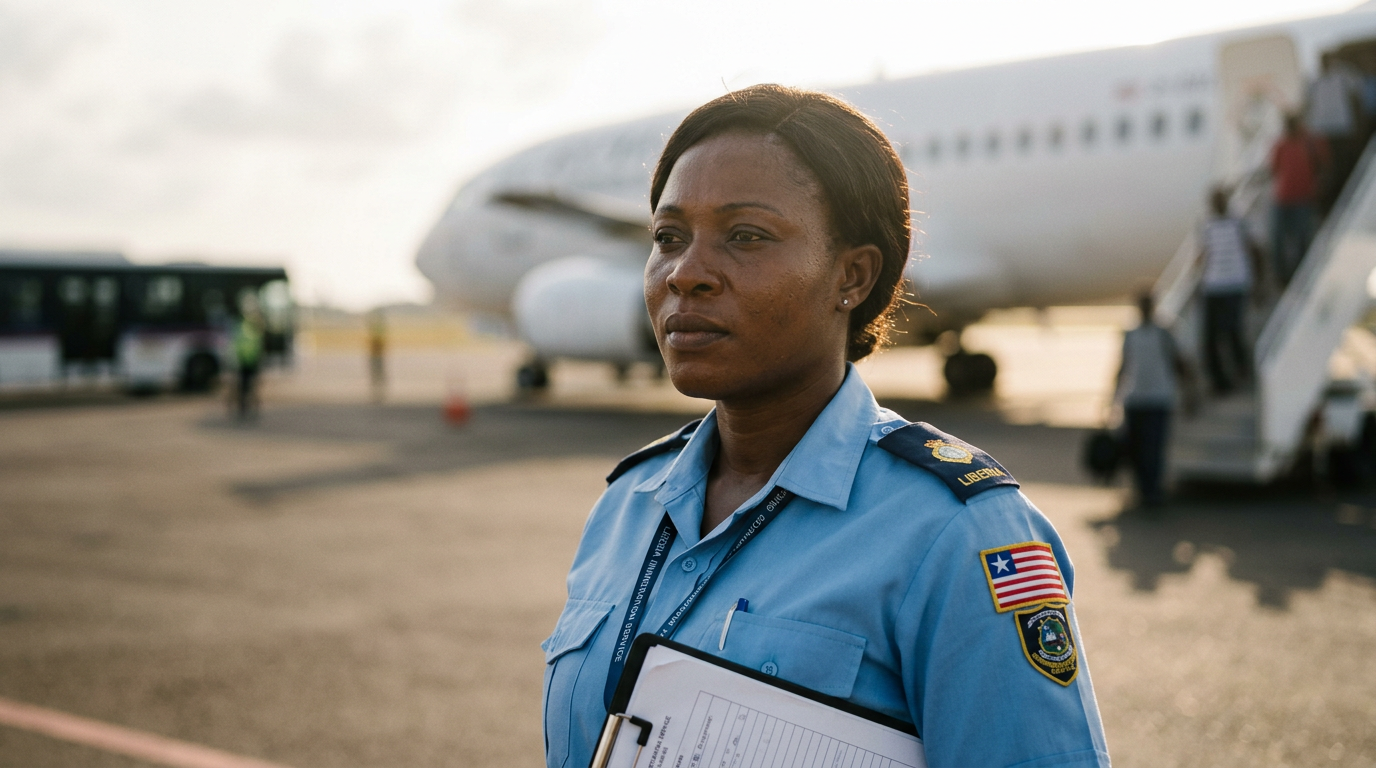
Monrovia, Liberia – In a significant expansion of the United States' controversial third-country deportation program, Liberia has formally agreed to accept up to 1,200 individuals deported from the U.S. over the next year, authorities in the West African nation announced this week. The initial group of 20 deportees is slated to arrive on Thursday, August 20, marking a new chapter in international migration policies that raises both humanitarian considerations and logistical challenges for Liberia. This arrangement positions Liberia as one of the largest African participants in a U.S. initiative to send non-citizens, often with no direct ties to the receiving country, to new destinations.
The Unfolding Agreement: Details and Declarations
The Liberian government, through Information Minister Jerolinmek Piah, confirmed the agreement, stating that the 1,200 individuals would be received within a 12-month period. These deportees, categorized as "third-country" nationals, are not citizens of Liberia but originate from various African and Western Hemisphere countries. Minister Piah emphasized that the individuals are being received as "guests of the Republic" and will be afforded the opportunity to seek asylum within Liberia or depart the country should they choose. Liberian authorities clarified that the majority of these individuals are being removed from the U.S. due to immigration violations and that each person underwent security screening prior to approval for transfer. The government described its acceptance as a humanitarian gesture, aligning with the country's long-standing traditions.
While Liberia maintains that the arrangement is not a direct trade-off, Washington has pledged support to Monrovia for managing the program and enhancing its migration infrastructure. The specific value and precise terms of this assistance, however, remain undisclosed. This lack of financial transparency is notable, as similar agreements often entail substantial funding for housing, asylum processing, healthcare, and onward travel. This agreement follows a notable shift in Liberia's stance, as the nation had publicly denied reports of accepting third-country deportees in June 2025. That position evolved later in 2025 under increased U.S. pressure, culminating in Liberia's temporary acceptance of Kilmar Abrego Garcia, a Salvadoran national whose case garnered considerable attention in the United States. In return for accepting Garcia, the Trump administration had previously extended the validity of visas for Liberians and committed $124 million to the country's health services.
The Broader Context of U.S. Third-Country Deportation Policy
This agreement with Liberia underscores a core component of the Trump administration's expansive immigration crackdown. Third-country deportation refers to a U.S. policy that permits the Department of Homeland Security (DHS) to deport non-citizens to nations other than their country of origin. Such removals occur when sending an individual to their designated country of origin is deemed "impracticable, inadvisable, or impossible." Since the beginning of the second Trump term, the U.S. has established deportation agreements with at least 35 countries globally, sending approximately 22,000 individuals to 26 countries they did not originate from as of early August 2026. These arrangements, some of which have been described as "often-secret," span a diverse range of nations, including several in Africa.
Advocates and legal experts have increasingly voiced concerns that these third-country deportations are utilized as a "legal loophole" by the U.S. government. This strategy, they argue, can indirectly compel asylum seekers to return to their home countries by placing them in unfamiliar territories where they lack support networks and may face precarious conditions. The U.S. has often applied such policies to deter unauthorized migration and expedite removals.
Liberia's Capacity and International Obligations
Liberia's decision to host such a large cohort of deportees presents substantial logistical and administrative challenges. Currently, the nation accommodates approximately 1,167 recognized refugees and 687 asylum seekers. The influx of 1,200 new individuals would nearly double its existing refugee and asylum-seeking population, placing considerable strain on Liberia's asylum and migration institutions, which processed only about 100 new claims and granted refugee status to 55 people in 2025.
As a signatory to key international agreements, including the 1951 Refugee Convention, its 1967 Protocol, and the Convention Against Torture, Liberia is legally bound to uphold the principle of non-refoulement. This principle strictly prohibits the return of individuals to countries where they risk persecution, torture, or other severe harm. Liberian Justice Minister Natu Oswald Tweh affirmed that the country has screened the list of migrants and intends to provide them with necessary support for protection during their stay. However, the capacity of Liberia's institutions to manage a sudden and significant increase in asylum claims while fully adhering to international human rights standards will face intense scrutiny.
Legal and Humanitarian Crossroads
The legality and ethical implications of third-country deportations have been a contentious issue, drawing criticism from human rights organizations and legal professionals. While U.S. law permits third-country removals under specific conditions, the practice of sending migrants to nations with which they have no ties, potentially without adequate safeguards for asylum protections, is currently under challenge in U.S. courts. Concerns are particularly acute for individuals who may have received protection orders from a U.S. immigration judge preventing their return to their home countries due to safety fears. Immigration lawyers argue that in many instances, these migrants are deported to unfamiliar countries, leaving them with limited options other than to attempt return to the very places they initially fled.
A federal judge previously ruled in February 2026 that immigrants must be given meaningful notice and sufficient time to raise country-specific objections before such deportations, criticizing the assurances provided by third countries. This ruling, currently under appeal, highlights the ongoing legal battle over due process rights for individuals subject to these policies. The International Rescue Committee notes that while "safe third country" agreements are meant to comply with international law, they have not always protected individuals and have faced numerous legal challenges.
Looking Ahead: Integration and Scrutiny
The arrival of 1,200 third-country deportees in Liberia represents a significant undertaking for the West African nation and a notable escalation of the U.S. administration's immigration enforcement strategy. The success of this program will hinge on Liberia's ability to effectively integrate these individuals, process potential asylum claims, and ensure their safety and well-being, all while upholding its international human rights commitments. The undisclosed terms of U.S. support will likely remain a point of discussion, alongside the broader humanitarian and legal questions surrounding third-country deportations. As the first group prepares to arrive, international observers and human rights advocates will closely monitor the program's implementation and its impact on the deportees and Liberia alike.
Related Articles


Ratko Mladić, "Butcher of Bosnia" and Convicted War Criminal, Dies at 84
THE HAGUE, Netherlands – Ratko Mladić, the former Bosnian Serb military commander known as the "Butcher of Bosnia" and convicted of genocide, war crimes, and crimes against humanity, has died at the age of 84. Serbian...


Long-Awaited 9/11 Mastermind Trial Set for 2028, Decades After Attacks
GUANTANAMO BAY, Cuba – Nearly a quarter-century after the devastating terror attacks of September 11, 2001, a military judge has finally set a trial date for Khalid Sheikh Mohammed, the alleged mastermind behind the...