Louvre Shuts Down Amid Widespread Worker Strikes, Thousands Turned Away
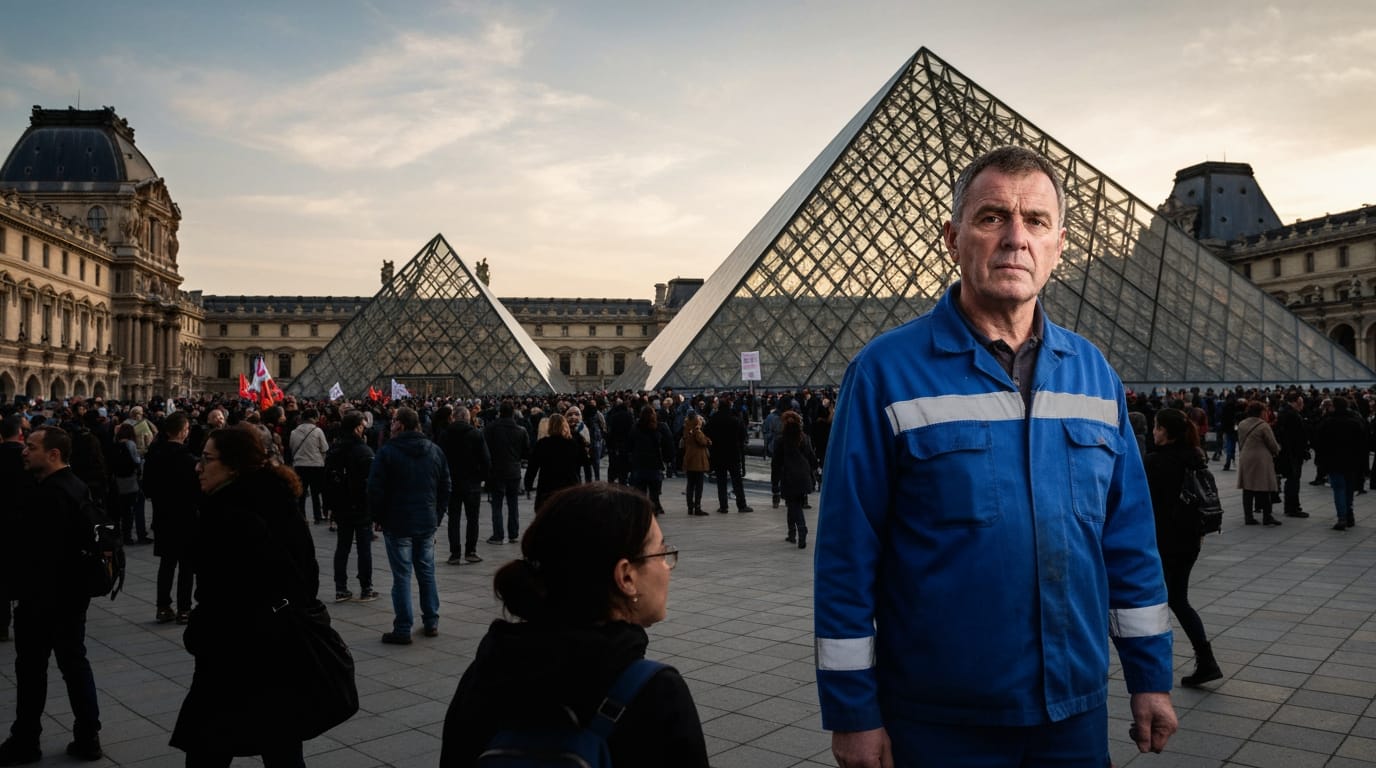
Paris, France – The iconic Louvre Museum, a global beacon of art and culture, was forced to close its doors on Monday, December 15, 2025, as thousands of visitors were turned away by striking staff protesting what they describe as "untenable" working conditions, chronic understaffing, and deteriorating infrastructure. The industrial action, which unions have indicated could be open-ended, plunged the world's most-visited museum into uncertainty during a peak tourist season, leaving countless international travelers disappointed and highlighting a growing crisis within the venerated institution.
Immediate Impact and Visitor Disruption
The closure on Monday meant that approximately 30,000 daily visitors, many with pre-booked tickets, found themselves standing before the museum's iconic glass pyramid entrance, met with signs announcing the unexpected shutdown. Tourists, some having traveled thousands of miles, expressed frustration over the lack of communication and the sudden disruption to their highly anticipated Parisian experience. The Louvre's website confirmed the closure, advising that ticket holders would be reimbursed. As the museum is routinely closed on Tuesdays, staff were expected to reconvene on Wednesday to vote on whether to continue the rolling strike, raising the prospect of extended closures.
This recent action is not an isolated incident; the Louvre experienced a similar spontaneous walkout in June 2025 over identical concerns regarding unmanageable crowds and understaffing. However, the current strike appears to signal a breaking point for employees, with trade unions representing staff — CGT, CFDT, and Sud — unanimously voting for the industrial action after talks with management and government officials failed to alleviate their concerns.
Deep-Rooted Grievances: A Museum in Crisis
The current strike stems from a confluence of long-standing issues that workers assert have rendered their daily tasks increasingly challenging and the museum itself vulnerable.
Chronic Understaffing: A primary complaint revolves around severe staff shortages, particularly in critical areas such as security and visitor services. Unions report that some 200 jobs have been cut since 2015, despite a significant increase in visitor numbers. Employees argue that existing staffing levels are inadequate to ensure the safety of both visitors and the priceless collection, leading to increased workloads and stress.
Deteriorating Infrastructure: The historic palace housing the Louvre is showing its age, with staff pointing to critical infrastructure failures. Recent incidents include a water leak in November that damaged hundreds of books and documents in the Egyptian department, and the closure of the Campana Gallery due to structural weaknesses in supporting beams. A leaked memo from Louvre President Laurence des Cars acknowledged that parts of the building are "no longer watertight" and temperature fluctuations endanger artworks.
Heightened Security Concerns: A high-profile jewel heist in October, which saw valuable French crown jewels worth an estimated €88 million stolen in broad daylight, intensified fears about security lapses. A subsequent senate inquiry attributed the thieves' success to broken cameras, outdated equipment, understaffed control rooms, and poor coordination. This incident underscored the workers' long-standing concerns that crowding and thin staffing are undermining the museum's security protocols.
Overtourism and "Physical Ordeal": The Louvre welcomed 8.7 million visitors in 2024, far exceeding the capacity its infrastructure was designed to accommodate. Even with a daily cap of 30,000 visitors, employees describe the experience as a "physical ordeal" due to unmanageable crowds, limited rest areas, inadequate restrooms, and extreme temperatures. The "Mona Lisa" alone draws approximately 20,000 people daily, creating a "celebrity meet-and-greet" atmosphere that overwhelms both staff and visitors.
Controversial Ticket Price Increase: Workers also protest a planned 45% increase in ticket prices for non-European visitors, set to take effect in January. While the Culture Minister stated the increase would help finance national heritage renovation, unions view it as discriminatory and argue that the revenue should prioritize staff and immediate structural improvements rather than a new museum entrance.
Management Response and Broader Implications
In response to the escalating crisis, Louvre management has acknowledged recent setbacks and stated it is working to address infrastructure and resource deficiencies. However, the unions' decision to bypass museum management and engage directly with the Ministry of Culture indicates a profound breakdown in internal communication and trust. The French Culture Ministry has tasked Philippe Jost, who oversaw the Notre Dame Cathedral reconstruction, with proposing a deep reorganization of the Louvre by the end of February.
President Emmanuel Macron had previously unveiled a decade-long "Louvre New Renaissance" plan, promising 700 to 800 million euros for renovations, including a new entrance and a dedicated room for the Mona Lisa by 2031. However, staff argue they "can't wait six years for help" and demand immediate action to improve current conditions. Critics, including France's state auditor, have questioned the financial viability of a new entrance project, suggesting that priority should be given to protecting the existing collections and maintaining the building.
The Louvre's struggle is emblematic of a broader challenge facing global cultural institutions grappling with overtourism and underinvestment. The museum, as a state-funded entity, navigates a delicate financial tightrope, balancing government budgets, self-generated income, and mounting operational costs.
A Pattern of Discontent and the Human Element
The current strike, while significant, is part of a recurring pattern of labor unrest at the Louvre, with similar walkouts occurring in 2013 and 2019 over overcrowding and safety concerns. Employees convey a sense of desperation, with one union statement declaring, "Staff feel today like they are the last bastion before collapse." The "day of anger" reflects years of accumulated problems and a feeling that their concerns are not being adequately addressed.
The disruption extends beyond the museum's gates, impacting local tourism, hotels, restaurants, and tour operators who rely on the Louvre's constant flow of international visitors. While some visitors expressed disappointment, others, like American tourist Melissa Frisvold, acknowledged the workers' right to strike, stating, "We understand when people need to go on strike."
Conclusion
The Louvre Museum stands at a critical juncture, caught between its immense global popularity and the deteriorating conditions facing its workforce and infrastructure. The latest strike serves as a stark reminder that even the most celebrated cultural institutions require sustainable investment in their people and physical assets to endure. Addressing the deep-seated grievances of its employees – encompassing staffing levels, working conditions, and structural integrity – will be paramount for the Louvre to navigate this crisis and ensure its continued role as a cherished global treasure, offering a safe and enriching experience for both its staff and millions of visitors worldwide.


