Lufthansa Axes 20,000 Flights Amid Surging Fuel Costs and Geopolitical Tensions
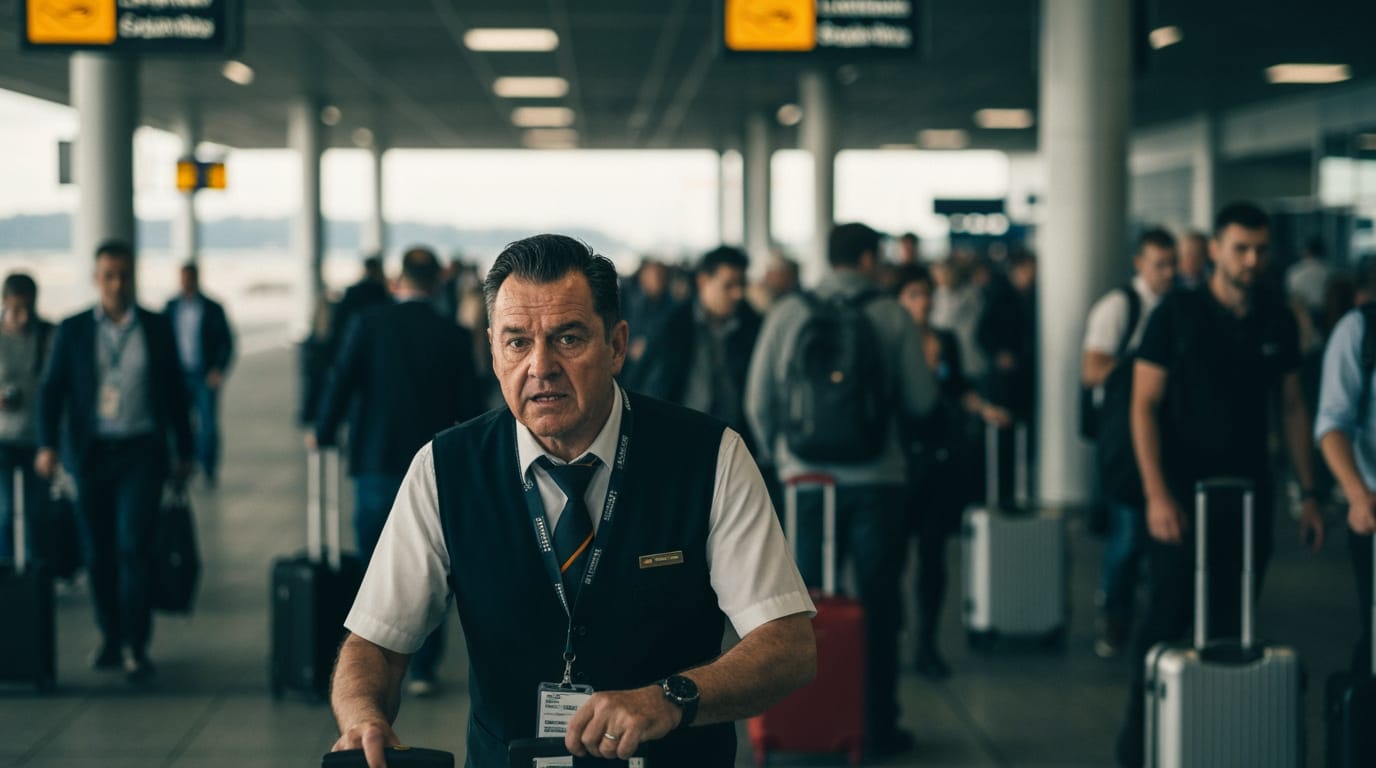
FRANKFURT – Lufthansa Group has announced the cancellation of approximately 20,000 short-haul flights from its summer schedule spanning May through October 2026. This significant reduction, driven primarily by a dramatic surge in jet fuel prices linked to the ongoing Iran conflict, represents a strategic pivot to mitigate unprofitability on numerous routes and stabilize the airline's operational schedule. The move underscores the profound impact of global geopolitical events and market volatility on the aviation industry, forcing one of Europe's largest carriers to recalibrate its network.
The German flag carrier confirmed the extensive flight adjustments, stating that the cancellations would primarily affect less profitable short-haul routes across its European network. The decision, which began with an initial round of about 120 daily cancellations effective through May 31, 2026, is an effort to streamline operations and ensure greater reliability for passengers on remaining flights. Lufthansa aims to avoid the last-minute disruptions that have plagued the airline industry in recent years by proactively cutting capacity.
Unprofitable Routes and Soaring Fuel Expenses
The core rationale behind Lufthansa's unprecedented flight reduction is the escalating cost of jet fuel. The airline reported that fuel prices have more than doubled since the outbreak of the Iran conflict, rendering a substantial number of short-haul routes economically unviable. This sharp increase has compelled the airline to undertake aggressive cost-cutting measures and optimize its budget in the face of burgeoning operating expenses. By eliminating 20,000 flights, Lufthansa anticipates saving approximately 40,000 metric tons of jet fuel.
A contributing factor to the specific routes affected is the recent closure of Lufthansa's regional subsidiary, CityLine. The airline is reportedly removing 27 older Canadair CRJ aircraft, known for their higher fuel consumption and maintenance costs, from service. This consolidation effort is part of broader accelerated capacity and fleet measures implemented in response to both increased kerosene costs and challenges posed by labor disputes. The strategy is designed to reduce losses from the less profitable CityLine operations and reallocate resources more efficiently across the Lufthansa Group's vast network.
The cancellations are concentrated mainly on flights originating from Lufthansa's primary German hubs, Frankfurt and Munich. Specific routes slated for suspension or reduction include those from Munich to Ljubljana, Rijeka, and Tivat, as well as routes like Frankfurt to Bydgoszcz, Rzeszów, and Stavanger. Despite the substantial number of flights cut, the airline emphasized that the overall reduction in its summer capacity, measured in available seat kilometers (ASK), would be less than one percent. This indicates a targeted approach, focusing on trimming operations with minimal impact on the airline's overall market presence and long-haul connections.
Passenger Impact and Compensation Landscape
The widespread cancellations inevitably carry significant implications for thousands of travelers. Lufthansa has stated that affected passengers with bookings through June have been informed of their flight changes. The airline's policy allows for automatic rebooking on alternative flights to the same destination and in the same travel class. If an automatically rebooked option is unsuitable or if no automatic rebooking occurs, passengers are permitted to select an alternative flight or request a refund free of charge.
However, the situation has also ignited a debate regarding passenger compensation. Airlines, including Lufthansa, are lobbying European legislators to classify fuel-related disruptions as "extraordinary circumstances." Such a classification under European Regulation EC 261 would limit an airline's liability, allowing them to offer only ticket refunds without additional monetary compensation, which can range from €250 to €600 per passenger depending on flight distance and delay length. This push highlights a broader industry concern over mounting costs and the desire to manage financial exposure in an unpredictable operational environment. Travelers are advised to regularly check their flight status and be aware of their rights under EU regulations.
Beyond direct flight disruptions, the increased cost of jet fuel is expected to translate into higher airfares across the industry. As airlines worldwide grapple with offsetting elevated kerosene expenses, ticket prices will likely climb, impacting travel budgets for both leisure and business travelers.
Strategic Network Optimization and Future Outlook
Lufthansa's decision to cut 20,000 flights is part of a broader strategy aimed at enhancing network efficiency and ensuring schedule stability for the remainder of the year. The airline group is consolidating its European network, focusing on its six key hubs: Frankfurt, Munich, Zurich, Vienna, Brussels, and Rome. Concurrently, Lufthansa plans to expand existing services in hubs like Zurich, Vienna, and Brussels to maintain connectivity and passenger access to its global route network, particularly for long-haul flights.
The airline is actively revising its medium-term route planning for the upcoming months, with updated schedules and optimized short-haul offerings for the entire summer season expected to be published in late April or early May. Lufthansa is also employing a combination of physical jet fuel procurement and price hedging measures to manage the volatile energy market, signaling a proactive approach to future operational challenges. The overarching goal is to achieve a more efficient operation that is less susceptible to external economic pressures and better equipped to provide a stable flying experience for its customers.
In conclusion, Lufthansa's cancellation of 20,000 flights marks a significant response to the current economic and geopolitical climate. Driven by the sharp rise in jet fuel prices and a strategic move towards greater operational profitability and stability, these adjustments reflect the airline's effort to navigate a turbulent global landscape. While the decision impacts thousands of passengers and raises questions about compensation, it represents a calculated maneuver by Lufthansa to secure its financial footing and deliver a more reliable service in an increasingly challenging aviation environment.


