Magdeburg Reflects One Year After Christmas Market Tragedy, Trial Underway
Magdeburg, Germany – A year after a vehicle-ramming attack shattered the festive peace of its cherished Christmas market, Magdeburg pauses today in somber remembrance. December 20, 2025, marks the first anniversary of the horrific incident that claimed six lives and left hundreds injured, an event that continues to cast a long shadow over the city and prompt profound questions about security, integration, and the complex nature of radicalization. As memorial services convene and the community grapples with lasting grief, the trial of the alleged perpetrator, Taleb Al-Abdulmohsen, is now actively unfolding, bringing painful details back into public consciousness.
The Day the Festive Spirit Turned to Tragedy
On the evening of December 20, 2024, at approximately 7:04 p.m. CET, a black BMW SUV plowed into the crowded Magdeburg Christmas market. The vehicle, reportedly rented shortly before the attack, sped through stalls and unsuspecting revelers for at least 400 meters, inflicting chaos and terror in a rampage that lasted just over one minute and four seconds. The joyous atmosphere of the holiday season was instantly replaced by screams, panic, and the desperate efforts of emergency responders and bystanders.
Initially, five people were confirmed dead, including four women aged between 45 and 75, and a nine-year-old boy named André Gleissner. The city, the capital of Saxony-Anhalt, was plunged into mourning, a grief deepened when a 52-year-old woman succumbed to her injuries in January 2025, raising the death toll to six. The number of injured, initially estimated around 200 to 205, was later revised to a staggering 309 during the subsequent legal proceedings, highlighting the immense human cost of the attack. Many of those injured suffered critical conditions, requiring extensive medical care and long roads to recovery. Neurosurgeon Mahmoud Elenbaby noted that roughly 80 patients were brought to Magdeburg’s university hospital alone on the night of the attack, with many remaining in intensive care.
The Man Behind the Wheel: A Fragmented Motive Emerges
The alleged perpetrator, Taleb Al-Abdulmohsen, a 50-year-old Saudi-born former psychiatrist, was arrested at the scene shortly after the attack. Abdulmohsen had resided in Germany since 2006, receiving asylum in 2016 and holding permanent residency. While authorities quickly deemed him a lone perpetrator, his motivations have proven complex and, at times, contradictory.
German authorities described Abdulmohsen as an anti-Islam activist and Islamophobe with far-right political beliefs. He had been a vocal critic of Islam and had expressed support for the far-right Alternative for Germany (AfD) party on social media. Initial investigations into his motive pointed to "dissatisfaction with the treatment of refugees from Saudi Arabia" in Germany. This narrative, however, became more convoluted during his trial, which commenced on November 10, 2025, at Langericht Magdeburg.
During his first court appearance, where he admitted to driving the car, Abdulmohsen delivered an "incoherent" 90-minute statement, characterized by a jumble of religious, political, and personal themes. He reportedly railed against German authorities and expressed hatred for Islam, even referencing the 2026 Saxony-Anhalt state election. This erratic explanation has underscored the challenge investigators face in fully understanding the precise trigger for his actions.
Adding another layer of complexity to the case, it emerged that authorities had received prior warnings about Abdulmohsen. The Federal Criminal Police Office revealed that Saudi Arabian authorities had tipped off Germany about a tweet in which Abdulmohsen threatened Germany would "pay a price" for its treatment of Saudi refugees. Additionally, a woman who had been in contact with him online attempted to warn Berlin police in late 2023 that he intended to "kill 20 Germans," though her email was mistakenly sent to Berlin, New Jersey. Despite these signals and his history of disputes with state authorities and threatening behavior, his political statements were described as "so confused that none of the security authorities' patterns fitted him," according to German Justice Minister Volker Wissing. This has led to scrutiny of Germany's security apparatus and whether more could have been done to prevent the attack.
A City's Resilience and Lingering Questions
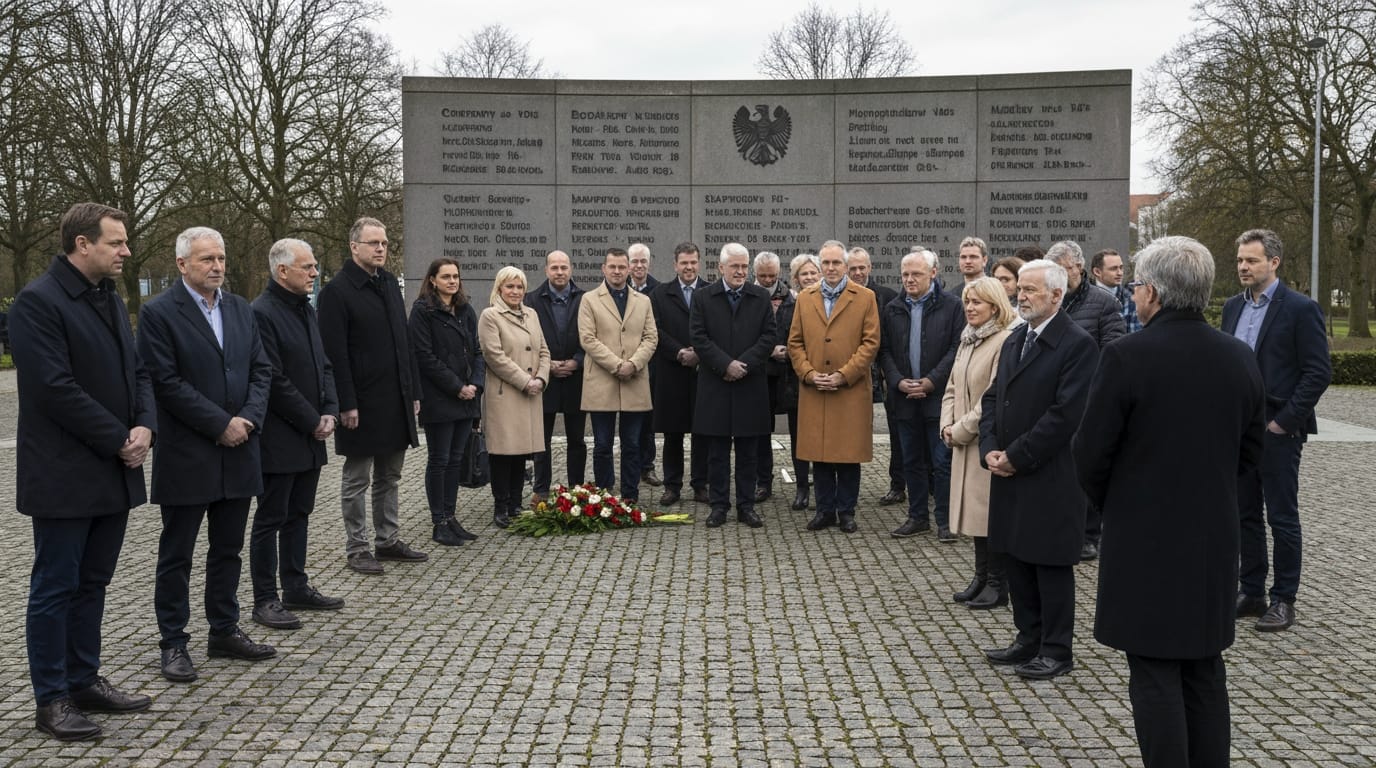
In the immediate aftermath of the attack, Magdeburg responded with a wave of solidarity and grief. Chancellor Olaf Scholz, President Frank-Walter Steinmeier, and other high-ranking officials visited the devastated market, expressing their condolences and emphasizing national unity. Memorial services were promptly organized at the Magdeburg Cathedral, attended by victims' relatives, emergency responders, and political figures, with church bells tolling across the city at the precise moment of the attack. Makeshift memorials of flowers and candles rapidly transformed the attack site and the nearby Johanniskirche, which became a central point of mourning and reflection for a community in shock.
However, beyond the initial outpouring of sympathy, the attack ignited heated debates across Germany. The tragic event, occurring just months before the 2025 federal election, brought issues of immigration and domestic security to the forefront of political discourse. Fears arose that the rampage could deepen societal divisions and fuel misinformation, particularly given the perpetrator's complex ideological background, which defied easy categorization. Vice Chancellor Robert Habeck cautioned against allowing hatred to spread online and urged a focus on truth in the wake of the tragedy.
The incident also prompted a reevaluation of security measures at Germany's numerous Christmas markets, a beloved centuries-old tradition. Questions were raised about how the attacker was able to access the market via an emergency route that was not adequately secured. This scrutiny was heightened by the grim reminder of the 2016 Berlin Christmas market attack, where an Islamist extremist also used a vehicle to cause mass casualties. While some cities have since increased security and even considered canceling events due to rising costs, the collective memory of such attacks weighs heavily on public consciousness during the festive season.
Looking Forward: Justice and Healing
One year on, the legal battle continues. Taleb Al-Abdulmohsen faces severe charges, including six counts of murder and 338 counts of attempted murder. The judicial process, while vital for delivering justice, is also a constant, painful reminder for the victims and their families. The incoherent nature of Abdulmohsen's explanations during his trial only adds to the complexity, leaving many searching for answers that may never fully materialize.
For Magdeburg, the anniversary is a moment not only for mourning but also for reaffirming its resilience. The city's determination to heal and move forward is evident in the continuation of its vibrant traditions, even as security measures are enhanced and awareness remains high. The memory of those lost and injured serves as a poignant catalyst for ongoing dialogue about fostering a society that is both secure and inclusive, aiming to prevent such a tragedy from ever happening again. The path to complete healing is long, but Magdeburg stands united in its resolve to remember, rebuild, and seek justice.