Magdeburg's Christmas Market: A Year of Remembrance and Resilient Spirit
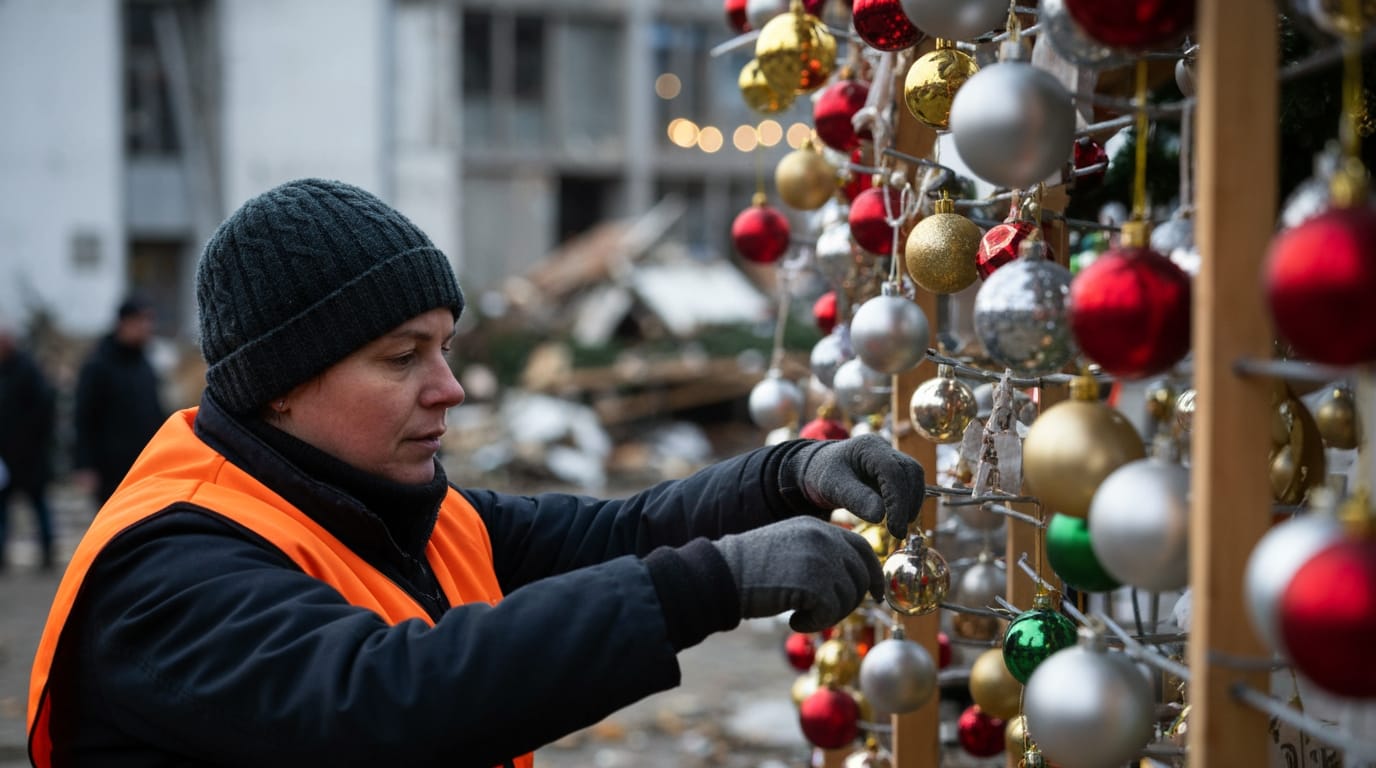
MAGDEBURG, Germany – One year after a devastating vehicle attack shattered the festive tranquility of its historic Christmas market, Magdeburg once again welcomes visitors with twinkling lights and the scent of mulled wine. The city, still bearing the emotional scars of the December 20, 2024 tragedy, has embraced its beloved annual tradition with a renewed sense of purpose, balancing enhanced security with an unwavering commitment to community spirit and remembrance. The market's reopening for the 2025 season serves as a poignant testament to the resilience of a city determined not to let fear overshadow its cherished holiday customs.
The Shadow of a Tragic December Evening
On the evening of December 20, 2024, the joyous anticipation of the holiday season in Magdeburg was abruptly replaced by horror. At approximately 7:04 p.m. CET, an SUV was deliberately driven into the crowded Christmas market, located near the city hall and a major shopping center. The vehicle, traveling at high speed, traversed at least 400 meters, leaving a trail of devastation in its wake. The attack, which lasted just over a minute, claimed the lives of six people and left 309 others injured. Among the deceased were four women aged between 45 and 75, and a nine-year-old boy. A 52-year-old woman later succumbed to her injuries in January 2025, bringing the final death toll to six.
The perpetrator, identified as 50-year-old Taleb Al-Abdulmohsen, an anti-Islam activist, was arrested at the scene. German authorities described him as an Islamophobe, and he was known to have expressed support for the far-right Alternative für Deutschland (AfD) party on social media. While investigators continue to probe the full motive, the Federal Prosecutor General classified the incident as a rampage rather than an act of terrorism. The attack plunged the city into shock, and the customary festive activities were halted as the community grappled with the enormity of the tragedy. Memorial services were held, and streets typically bustling with holiday cheer fell silent, adorned instead with police tape and candlelight vigils.
Rebuilding Trust and Reinforcing Community Bonds
In the immediate aftermath, Magdeburg faced the daunting task of healing and rebuilding. The attack not only caused immense physical and emotional suffering but also challenged the sense of security at public gatherings, especially during the festive period. However, the community responded with an outpouring of solidarity, demonstrating a collective resolve to overcome the trauma. Efforts were swiftly initiated to support victims and their families, while city officials and residents alike began the arduous process of restoring confidence and normalcy.
The recovery process has been characterized by a delicate balance: acknowledging the profound grief and loss while simultaneously fostering hope and continuity. Throughout the past year, Magdeburg has dedicated itself to rebuilding trust and promoting a sense of security without resorting to an overtly intimidating presence. This approach reflects a broader strategy to strengthen social cohesion and encourage community participation, seen as crucial elements in the city's recovery and growth. The determination to reopen the Christmas market in 2025 became a symbol of this collective resilience, signaling that the city would not be defined by the actions of an individual, but rather by its enduring spirit.
Enhanced Security Meets Enduring Tradition
As the 2025 Christmas market season approached, the memory of the previous year's attack loomed large. There were initial concerns that the market, a central highlight of Magdeburg's pre-Christmas period, might be canceled due to heightened security anxieties. The state's security authority initially withheld approval for the market's security plan, deeming it insufficient and describing the market as a "potential target for an attack." However, following extensive discussions and on-site inspections, city officials, police, and the State Administration Office collaboratively developed a significantly strengthened security concept.
The revised measures for the 2025 market include "risk-reducing and security-enhancing" elements such as additional anti-terrorism barriers, including concrete blocks, and an increased presence of private security personnel. Magdeburg's market alone invested 250,000 euros in these new security provisions, reflecting a nationwide trend of rising security costs for public events. Across Germany, security spending for Christmas markets has reportedly increased by an average of 44 percent over the last three years. Despite these substantial investments and the visible security enhancements, organizers have striven to integrate them discreetly, aiming to preserve the market's traditional charm and welcoming atmosphere. The Federal Criminal Police Office, in its assessment ahead of the 2025 season, reported no concrete indications of any specific threats to Christmas markets nationwide.
A Market of Remembrance and Renewal
The Magdeburg Christmas market, which opened on November 20 and will run until December 29, 2025, showcases a diverse array of traditional crafts, local delicacies, and festive attractions. Visitors can explore over 50 varieties of mulled wine, indulge in traditional treats, and enjoy the unique ambiance created by the historic backdrop of Magdeburg's city center. This year, however, the experience carries an additional layer of meaning. The market stands as a site of remembrance, a place where the community collectively acknowledges its loss while celebrating its strength.
Birgit Grothues, a spokeswoman for the market, noted the "very good atmosphere," stating that the market aims to offer visitors "a little moment of respite" during challenging times. The decision to proceed with the market, despite the logistical and emotional complexities, underscores its profound importance as a cherished German tradition and a vital component of social life. The presence of families enjoying carousel rides and shoppers browsing stalls, all under the watchful but unobtrusive eye of enhanced security, symbolizes a collective refusal to yield to fear. The ongoing trial of Taleb Al-Abdulmohsen, facing multiple charges of murder and attempted murder, serves as a stark reminder of the events, even as the city moves forward.
Moving Forward with Hope
One year after a devastating attack, Magdeburg's Christmas market has reopened its gates, illuminated not only by festive lights but also by the unwavering spirit of its community. The city has navigated a complex path, mourning its dead while steadfastly reaffirming its cultural traditions. The visible security measures are a tangible reminder of past pain, yet they coexist with the enduring warmth and cheer that define the holiday season. The market, with its blend of memory and festivity, stands as a powerful testament to Magdeburg's resilience, demonstrating its capacity to heal, adapt, and move forward, determined to keep its cherished traditions alive for generations to come.


