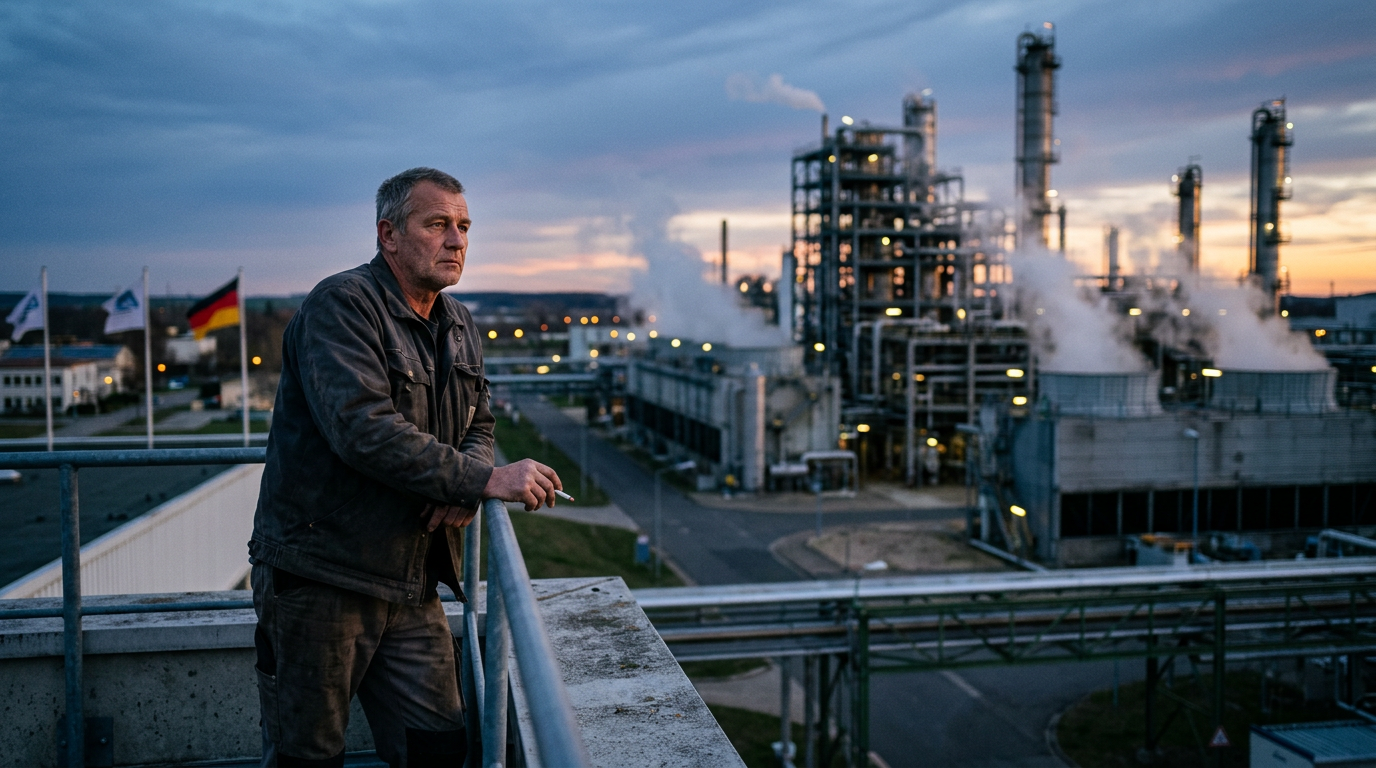
Mass Protests Erupt in Turkey as Erdogan's Actions Spark Outrage
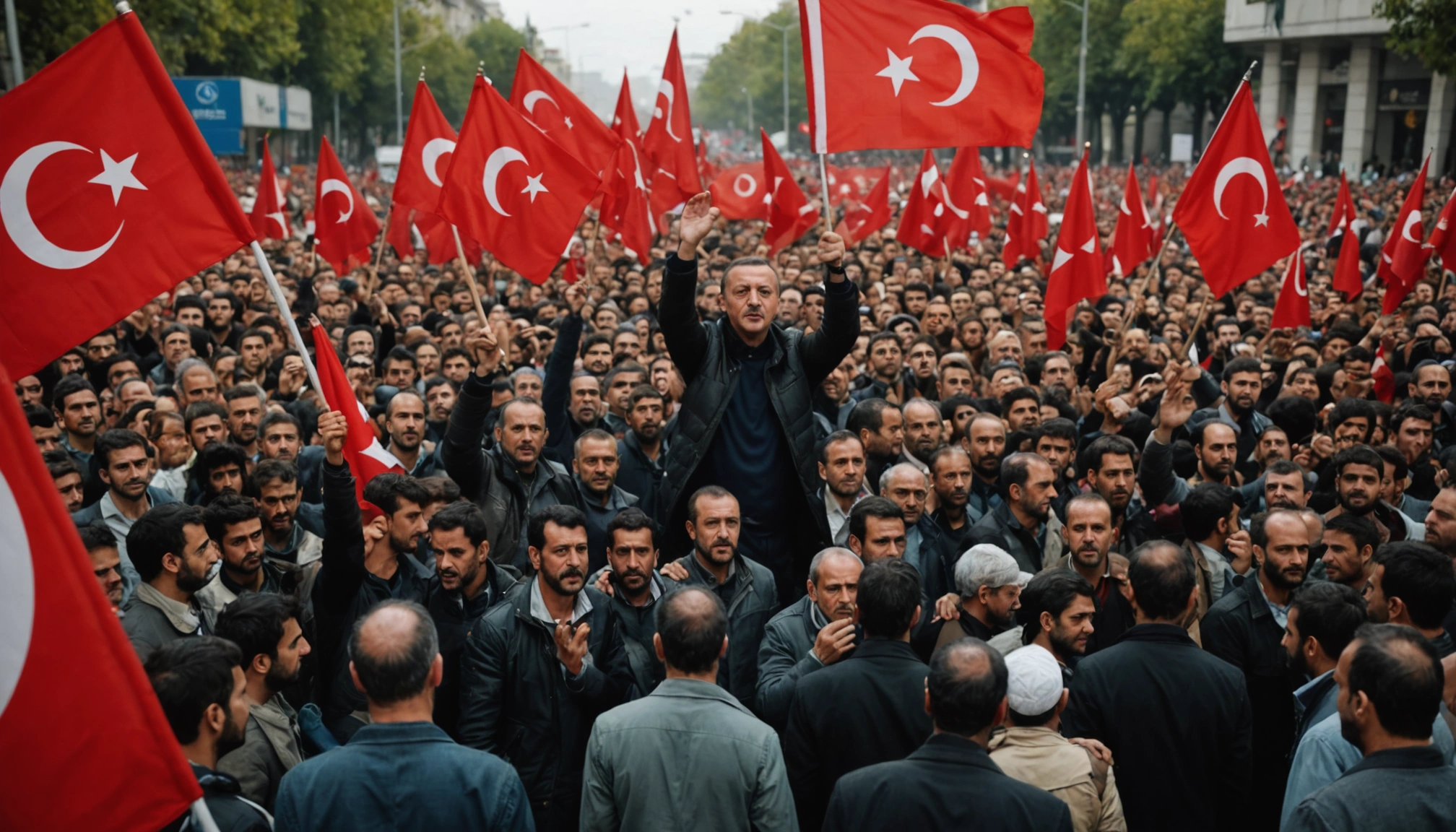
ISTANBUL - Turkey is facing a wave of mass protests, posing a significant challenge to President Recep Tayyip Erdogan's long-standing grip on power. The unrest was triggered by the arrest of Istanbul Mayor Ekrem Imamoglu, a prominent political rival, on alleged corruption charges. Demonstrations have spread across the country, fueled by concerns over increasing authoritarianism and the suppression of dissent.
Imamoglu's Arrest Ignites Public Anger
The arrest of Ekrem Imamoglu on March 19 served as the catalyst for the widespread protests. Imamoglu, a popular figure and a potential presidential candidate for the main opposition party, was detained and removed from office, a move seen by many as a politically motivated attempt by Erdogan to sideline a key challenger. The charges against Imamoglu are viewed by his supporters as unjust and designed to reshape the political landscape ahead of future elections.
Adding to the controversy, Imamoglu's university degree was canceled by Istanbul University the day before his arrest, with the university claiming it was falsely obtained. A valid degree is a prerequisite for running for president, further fueling suspicions that the move was intended to prevent Imamoglu from challenging Erdogan in the future.
Protests Spread Nationwide
The protests, initially concentrated in Istanbul, have quickly spread to 55 of Turkey's 81 provinces, drawing hundreds of thousands of participants. Demonstrators are calling for Imamoglu's release, an end to government corruption, and the resignation of President Erdogan. The scale of the protests marks the largest opposition movement in Turkey in over a decade, reflecting deep-seated discontent with the current administration.
The protesters include a diverse range of Turkish society, including students, activists, and ordinary citizens who feel stifled by Erdogan's increasingly authoritarian rule. The protests have grown into the biggest street protests in Turkey in more than a decade.
Government Response and Crackdown
The Turkish government has responded to the protests with a heavy hand. Police have used tear gas, rubber bullets, and water cannons to disperse demonstrators, leading to clashes and injuries. More than 1,100 people have been arrested, including at least 10 journalists covering the unrest.
Erdogan has condemned the protests, labeling them a "movement of violence" and accusing the opposition of provoking the public. He has vowed that his government will not "give in" to "vandalism" or "street terror." Turkish authorities have also requested that social media platform X block numerous accounts, further restricting freedom of expression.
Political and Economic Implications
The mass protests have significant political and economic implications for Turkey. The Turkish lira has experienced volatility, and the BIST-100 benchmark stock index has fallen, reflecting investor uncertainty.
The detention of Imamoglu has created a dilemma for the main opposition party, which was scheduled to announce its presidential candidate. The events have also drawn international condemnation, with the EU Socialist party denouncing a "full-scale attack by Erdogan on the democratic opposition and civil society in Turkey."
A Tipping Point for Turkish Democracy?
Analysts suggest that the current situation represents a critical juncture for Turkish democracy. Some observers believe that Erdogan's actions are pushing Turkey towards full authoritarianism, while others see the protests as a sign of hope for a potential crack in the regime.
The protests have galvanized those who feel stifled by Erdogan's authoritarian rule. Some analysts believe that the protests could spark defections within the ruling party and increase international pressure on the Turkish government.
International Reactions
International reaction to the events in Turkey has been mixed. While some countries and organizations have condemned the crackdown on protesters and the arrest of Imamoglu, others have remained more cautious.
Iranian media, while the government has remained officially neutral, has largely sided with the protesters, blaming the unrest on Erdogan's grip on power. This perspective highlights the regional implications of the events in Turkey and the potential for broader geopolitical ramifications.
Conclusion
The mass protests in Turkey represent a significant challenge to Erdogan's authority and raise fundamental questions about the future of Turkish democracy. The arrest of Ekrem Imamoglu has ignited widespread public anger, leading to the largest opposition movement in the country in over a decade. While the government has responded with a crackdown, the protests show no signs of abating, and the situation remains fluid and uncertain. The coming days and weeks will be crucial in determining whether Turkey can navigate this crisis and return to a path of democratic reform or whether it will continue its descent towards authoritarianism.
Related Articles

Mounting Frustration Grips Russia as Economic Hardship and War's Toll Deepen
Moscow, Russia – A palpable shift in public sentiment is emerging across Russia, with growing frustration among citizens fueled by a confluence of economic pressures, increasing internet restrictions, and the undeniable...

Germany's Strategic Calculus: Ukraine Aid is an Investment in European Security, Not Charity
Berlin – The ongoing provision of substantial aid to Ukraine by Germany and its allies is increasingly being framed not as an act of altruism, but as a crucial investment in European security and stability. This...