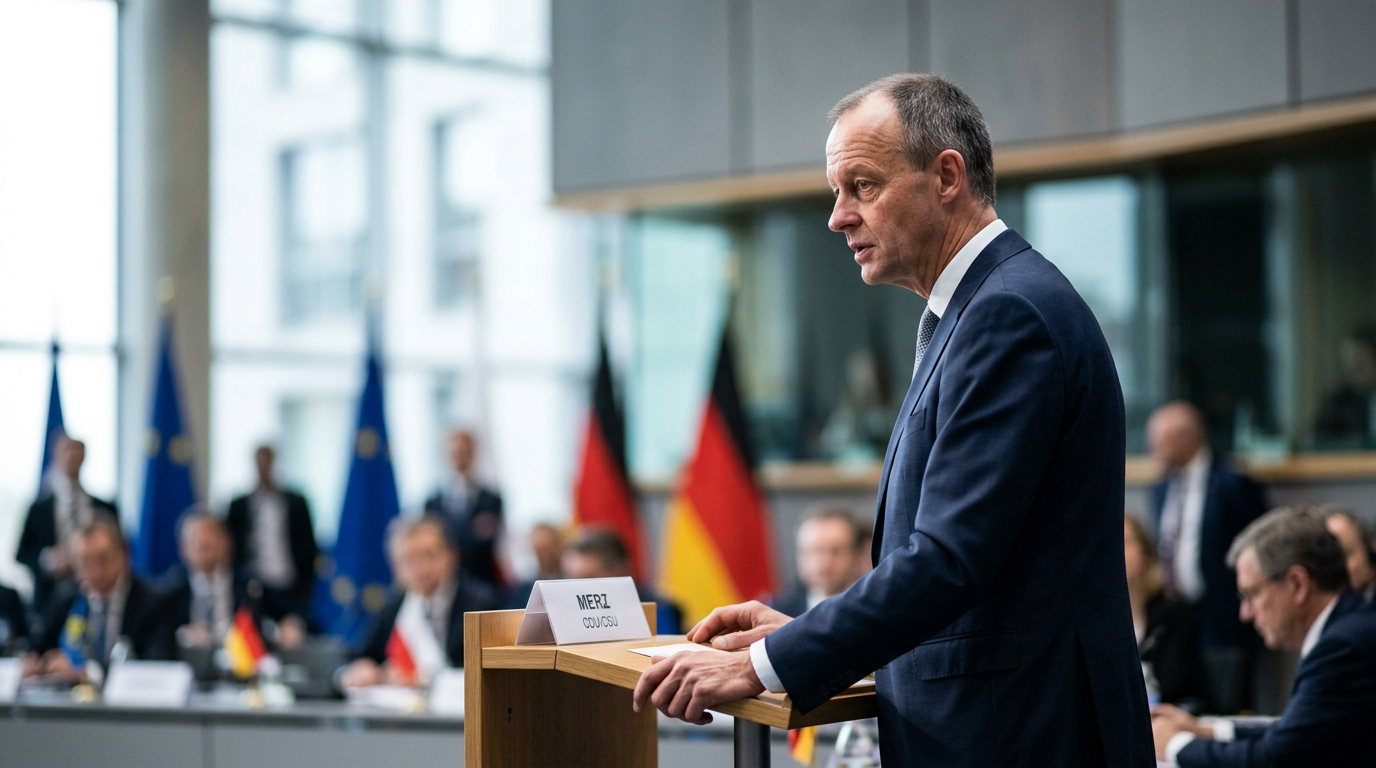
Mercosur Summit Erupts in Ideological Firestorm Over US-Venezuela Tensions
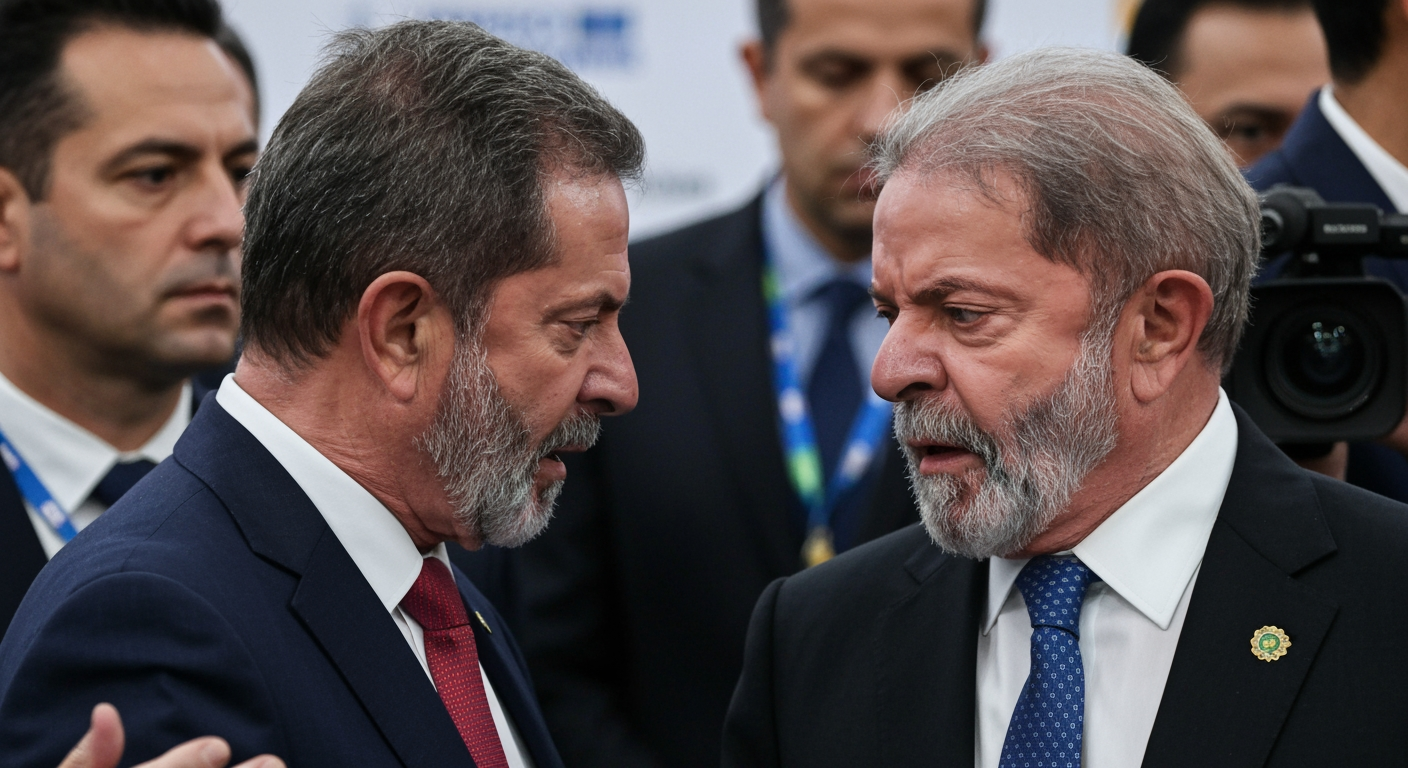
Foz do Iguaçu, Brazil — A profound ideological schism ripped through the Mercosur summit Saturday, as Brazilian President Luiz Inácio Lula da Silva and Argentinian President Javier Milei clashed dramatically over escalating US-Venezuela tensions, casting a shadow over regional unity and diplomatic efforts. The confrontation, unfolding in the picturesque setting of Foz do Iguaçu, highlighted Latin America's deep divisions at a time of heightened geopolitical instability and growing concerns over potential military conflict in the Caribbean.
The annual gathering of the Southern Common Market, typically focused on economic integration and trade deals, transformed into a heated forum for geopolitical debate. Lula, a seasoned leftist and advocate for regional sovereignty, issued a stark warning against external military intervention, while Milei, an outspoken libertarian and staunch US ally, unequivocally endorsed Washington's hardline stance against Caracas. This public disagreement between the leaders of South America's two largest economies signals a potentially turbulent era for the bloc and underscores the precarious balance of power in the region.
The Mercosur Showdown: A Summit Divided
The 67th Mercosur Summit, held in Brazil, was intended to advance critical trade negotiations, including a long-anticipated free-trade agreement with the European Union. However, the pressing crisis concerning Venezuela quickly overshadowed the economic agenda. From the outset, the summit revealed a stark contrast in diplomatic approaches, with President Lula setting a tone of caution and dialogue. Opening the proceedings, the Brazilian leader forcefully declared that any US military action in Venezuela would trigger a "humanitarian catastrophe" across the hemisphere and establish a "dangerous precedent" globally. He emphasized that such critical issues are not resolved through armed conflict but through negotiation and diplomacy.
In a direct and immediate rebuttal, Argentinian President Javier Milei seized the moment to articulate a dramatically different perspective. A fervent supporter of former US President Donald Trump, Milei openly welcomed the intensified pressure from the United States, framing it as a necessary step to "liberate the Venezuelan people." Milei asserted that the era of "timid approaches" to the Venezuelan situation had concluded, aligning Argentina firmly with Washington's aggressive posture. The divergent declarations, delivered back-to-back, exposed a deep and personal ideological chasm between the two influential leaders, turning a multilateral forum into a stage for a high-stakes geopolitical dispute.
Divergent Diplomatic Paths: Non-Intervention vs. Pro-US Pressure
The opposing viewpoints articulated by Lula and Milei are rooted in fundamentally different foreign policy philosophies and regional strategies. President Lula's stance reflects a long-standing commitment to non-interventionism, multilateralism, and the principle of self-determination for Latin American nations. He reiterated his belief that "the Venezuelan people own their destiny and no foreign president must dictate what Venezuela or Cuba will be like." Lula has positioned Brazil as a potential mediator in the crisis, reaching out to both US and Venezuelan leaders to prevent armed confrontation and promote dialogue. His administration prioritizes maintaining Latin America as a "zone of peace," free from external interference, and has consistently warned that "foreign interventions can cause greater damages than those they seek to prevent."
Conversely, President Milei's position underscores his administration's close alignment with the United States and a more confrontational approach to regimes he deems authoritarian. Milei has repeatedly labeled Venezuelan President Nicolás Maduro a "dictator" and expressed unwavering support for Venezuela's opposition parties. His endorsement of US pressure aligns with his broader ultra-libertarian worldview and his criticism of traditional regional blocs like Mercosur. Milei has advocated for a more "flexible" Mercosur that would allow member states to pursue bilateral trade agreements, potentially with the US, even if it means deviating from the bloc's collective foreign policy. This stark contrast between Lula's cautious diplomacy and Milei's assertive alignment with US policy creates significant friction within Mercosur and complicates any unified regional response to the Venezuelan crisis.
US-Venezuela Tensions: A Region on Edge
The backdrop to this Mercosur discord is a rapidly escalating and dangerous situation between the United States and Venezuela. Tensions have intensified sharply in late 2025, driven by a series of aggressive actions from the US and defiant responses from Caracas. The Trump administration has significantly ramped up its "maximum pressure" campaign, citing Venezuela's alleged involvement in drug trafficking.
Recent US actions include lethal boat strikes in the Caribbean and eastern Pacific against vessels purportedly engaged in drug smuggling, operations that have resulted in at least 95 fatalities. Coupled with a broader military buildup in the region, including naval deployments, these actions signal a significant escalation. President Trump has also issued threats of potential land strikes and declared Venezuelan airspace closed. Economically, the US has seized a Venezuelan-linked oil tanker and initiated a blockade of sanctioned oil tankers, aiming to cripple Venezuela's oil-dependent economy. Washington has further accused President Maduro and senior officials of leading drug trafficking operations, designating groups like the "Cartel de los Soles" as Foreign Terrorist Organizations.
In response, the Maduro government vehemently denies the US accusations, viewing these actions as a direct assault on its sovereignty. Caracas has reportedly ordered its navy to escort oil tankers, underscoring its determination to resist the blockade. The intensifying US-Venezuela conflict has generated widespread concern across Latin America, with fears of broader regional destabilization. Concerns extend to potential spillover effects on airspace security, maritime navigation, trade routes, and increased migration pressures on neighboring countries. International bodies and several regional governments have called for de-escalation, dialogue, and restraint.
Implications for Regional Unity and Beyond
The open disagreement at the Mercosur summit exposes the fragility of regional consensus and poses significant challenges for the bloc's future. The ideological divide between Lula and Milei—representing two distinct visions for Latin America's role in global affairs—threatens to paralyze coordinated action on critical issues. Lula's emphasis on unity, peace, and independent foreign policy contrasts sharply with Milei's preference for aligning with US interests and pursuing unilateral economic reforms within Mercosur. This fundamental divergence could hinder the bloc's ability to present a united front on international trade, security, and humanitarian matters.
For Mercosur, a body striving for deeper economic integration and a stronger voice on the world stage, this internal friction could impede progress on key initiatives, including the finalization of the EU trade deal. The lack of a cohesive approach to a major regional crisis like the US-Venezuela tensions could diminish Mercosur's influence and effectiveness in broader international diplomacy. The division also reflects a wider trend of ideological polarization sweeping through Latin America, making collective problem-solving increasingly difficult. As the region grapples with complex geopolitical challenges, including the resurgence of great power competition and economic uncertainties, the rift exposed at Foz do Iguaçu suggests a path forward fraught with uncertainty and potential instability for South America.
In conclusion, the Mercosur summit served as a stark reminder of the deep fault lines running through Latin American politics. The public clash between Presidents Lula and Milei over the escalating US-Venezuela tensions not only highlighted their profound ideological differences but also underscored the challenges facing regional integration and the pursuit of a unified foreign policy. As the US continues its assertive posture towards Venezuela, and Caracas remains defiant, the ability of Mercosur and other regional bodies to navigate this complex landscape will depend heavily on finding common ground amidst deeply entrenched opposing views. The path to regional stability and a consensual approach to international crises appears more uncertain than ever.
Related Articles

Ratko Mladić, "Butcher of Bosnia" and Convicted War Criminal, Dies at 84
THE HAGUE, Netherlands – Ratko Mladić, the former Bosnian Serb military commander known as the "Butcher of Bosnia" and convicted of genocide, war crimes, and crimes against humanity, has died at the age of 84. Serbian...

Long-Awaited 9/11 Mastermind Trial Set for 2028, Decades After Attacks
GUANTANAMO BAY, Cuba – Nearly a quarter-century after the devastating terror attacks of September 11, 2001, a military judge has finally set a trial date for Khalid Sheikh Mohammed, the alleged mastermind behind the...