Merz Hails 'Extremely Satisfied' Talks With Trump Amidst Trade and Ukraine Concerns
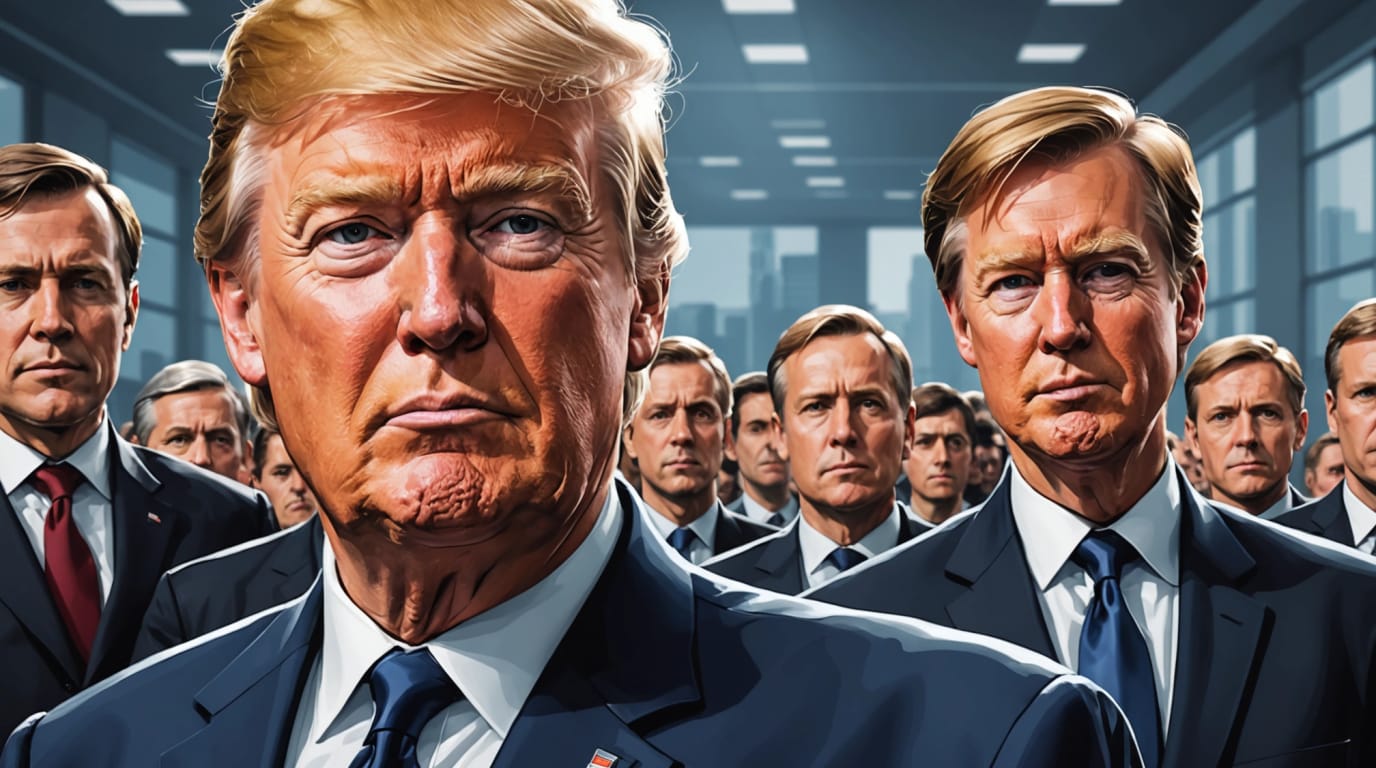
German Chancellor Friedrich Merz concluded his first official visit to Washington D.C. with what he described as "extremely satisfying" talks with U.S. President Donald Trump. The meeting, held at the White House, centered on critical issues including the ongoing war in Ukraine, transatlantic trade relations, and Germany's defense spending. While concrete breakthroughs remained elusive, both leaders emphasized a commitment to open communication and potential future collaboration.
The visit, closely watched on both sides of the Atlantic, aimed to establish a working relationship between the newly appointed German Chancellor and the U.S. President. Merz, who assumed office in early May, sought to position Germany as an indispensable ally to the United States, particularly in addressing the conflict in Ukraine and navigating complex trade dynamics.
Ukraine Dominates Discussions
A primary focus of the discussions was the war in Ukraine. Merz stressed the importance of the United States in persuading Russia to end its aggression. He conveyed to Trump the urgency of the situation and the need for increased pressure on Moscow to de-escalate the conflict.
Trump, while acknowledging the severity of the situation, offered a unique perspective, likening the conflict to a dispute between "two young children fighting." He suggested that allowing the conflict to continue for a period before intervention might be a more effective approach, a sentiment he claimed to have shared with Russian President Vladimir Putin during a recent phone call. This stance diverges from the more assertive approach favored by many of Washington's European allies, who advocate for continued and increased support for Ukraine.
Despite the differing viewpoints, Merz expressed optimism that a unified approach could be forged. He emphasized the importance of Western solidarity and pledged to continue working towards a cohesive strategy between European and American partners.
Trade Tensions and Potential Agreements
Beyond Ukraine, trade relations between the U.S. and Germany were a key topic of discussion. Trump has long voiced concerns about the trade deficit between the two countries, particularly regarding the German auto sector. In 2024, Germany exported $160 billion worth of goods to the U.S., while the U.S. exported significantly less to Germany.
Merz acknowledged Trump's concerns and expressed a willingness to work towards a more balanced trade relationship. He highlighted Germany's significant investment in the U.S. economy, noting that Germany ranks among the top foreign direct investors in the United States.
Following the meeting, Merz stated that he found Trump "really willing to have an agreement on trade." He expressed optimism that a trade agreement could be reached within a foreseeable period, potentially surpassing the achievements of previous administrations.
A Cordial Atmosphere and Transatlantic Ties
Despite the complex issues at hand, the meeting appeared to unfold in a cordial and constructive atmosphere. Reports indicate that Merz presented Trump with a facsimile of his German-born grandfather's birth certificate, a gesture intended to foster a sense of connection. Trump, in turn, described Merz as "a very good man to deal with," albeit a "difficult" one, suggesting a degree of mutual respect.
Merz emphasized the historical ties between the United States and Germany, recalling his first visit to the White House in 1982 during the Reagan administration. He underscored the importance of the American contribution to the liberation of Germany from Nazi dictatorship, a debt that Germany would never forget.
Future Cooperation and Challenges Ahead
While the meeting did not yield immediate policy changes, it laid the groundwork for future cooperation between the two countries. Merz extended an invitation to Trump to visit Germany, which Trump accepted, although a date has yet to be determined.
Several challenges remain in the relationship. The U.S. administration has expressed concerns about "democratic backsliding" in Germany, citing issues such as freedom of speech. Germany, in turn, has been wary of interfering in U.S. domestic politics.
Furthermore, differing perspectives on the war in Ukraine and trade imbalances could present obstacles to achieving a fully aligned transatlantic agenda.
Conclusion: A Foundation for Dialogue
Chancellor Merz's visit to Washington D.C. marks an important step in fostering a working relationship with President Trump. While significant differences persist on key policy issues, the meeting established a foundation for open dialogue and potential collaboration. The focus on trade and the war in Ukraine highlights the critical challenges facing both nations, requiring continued engagement and a commitment to finding common ground. Whether the initial cordiality can translate into concrete action remains to be seen, but the willingness to engage offers a glimmer of hope for a strengthened transatlantic partnership.


