Merz Takes the Helm: Germany Eyes a More Assertive Foreign Policy
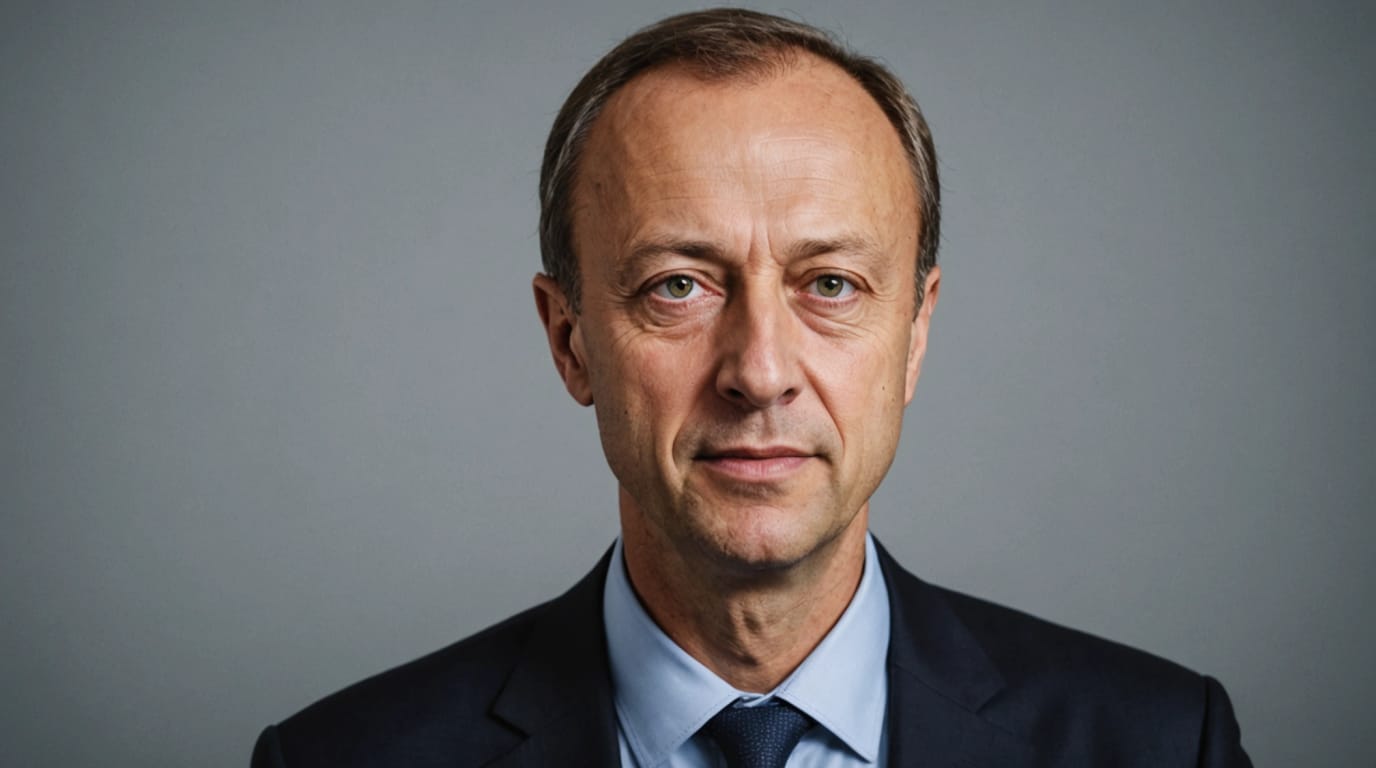
Following snap elections in late February, Friedrich Merz and his Christian Democratic Union (CDU) are poised to reshape Germany's foreign policy, signaling a potential shift from the cautious approach of the previous government. With a focus on strengthening the German army and prioritizing national interests, Merz aims to transform Germany into a leading middle power on the global stage. However, navigating a complex international landscape and overcoming domestic challenges will be crucial for his success.
A Zeitenwende Revisited
Merz inherits the task of advancing Germany's "Zeitenwende," a term coined by former Chancellor Olaf Scholz to signify an epochal change in German foreign policy following Russia's full-scale invasion of Ukraine in 2022. While Scholz called for a reorientation to address years of neglect, his government's actions have been criticized as hesitant and obstructive. Merz now faces the challenge of making this paradigm shift a reality, requiring a move beyond ingrained fears and a more accurate assessment of global dangers.
Strengthening National Defense
A core tenet of Merz's foreign policy is bolstering Germany's military capabilities. He has pledged to increase defense spending and modernize the Bundeswehr, arguing that a strong military is essential for deterring aggression and ensuring national security. This stance reflects a broader belief that Germany must be able to defend itself and contribute more effectively to European security. Merz advocates for reforming national and European defense procurement processes to enhance both the quantity and quality of defense capabilities, striving for a balance between "Made in the USA" and a robust "Made in Europe" approach.
Pragmatism Over Ideology
Merz's approach to foreign policy is characterized by pragmatism and a focus on German interests. He views foreign policy as a tool to advance the country's economic goals, prioritizing effectiveness and efficiency over ideological considerations. This transactional approach suggests a willingness to engage with various actors on the world stage, based on what best serves Germany's strategic and economic objectives.
Navigating International Relations
Merz's foreign policy will be shaped by the dynamics of international relations, particularly Germany's relationship with the United States and Russia. As a staunch Atlanticist, he prioritizes Germany's commitments to NATO and aims to synchronize positions with Washington on a wide range of issues. The return of Donald Trump to the presidency adds complexity, requiring Merz to establish a working relationship with the U.S. leader, despite potential differences in perspective.
Regarding Russia, analysts anticipate a hard line from Merz, potentially involving increased support for Ukraine. However, some experts suggest that the existing connections in the economic and societal spheres between Russia and Germany are resilient and could withstand a period of strained relations.
Overcoming Domestic Challenges
Merz's ability to implement his foreign policy agenda will depend on overcoming domestic challenges. The rise of the Alternative for Germany (AfD), which garnered a significant portion of the vote in recent elections, reflects a deep-seated anxiety within German society. Merz must address these fears and build consensus around his foreign policy vision to ensure its long-term success.
Furthermore, Germany's economic situation and the need for fiscal responsibility will constrain Merz's options. Balancing the demands of increased defense spending with other pressing domestic priorities will require careful management and political skill.
Conclusion
Friedrich Merz's ascent to the chancellorship marks a potential turning point in German foreign policy. His focus on strengthening the military, prioritizing national interests, and adopting a pragmatic approach signals a more assertive role for Germany on the world stage. However, navigating a complex international landscape, managing relations with key allies and rivals, and overcoming domestic challenges will be crucial for Merz to realize his vision of a leading middle power. The success of his "Zeitenwende" will depend on his ability to unite the country behind a clear and compelling foreign policy agenda.


