Meta Faces Landmark Antitrust Trial That Could Reshape Social Media Landscape
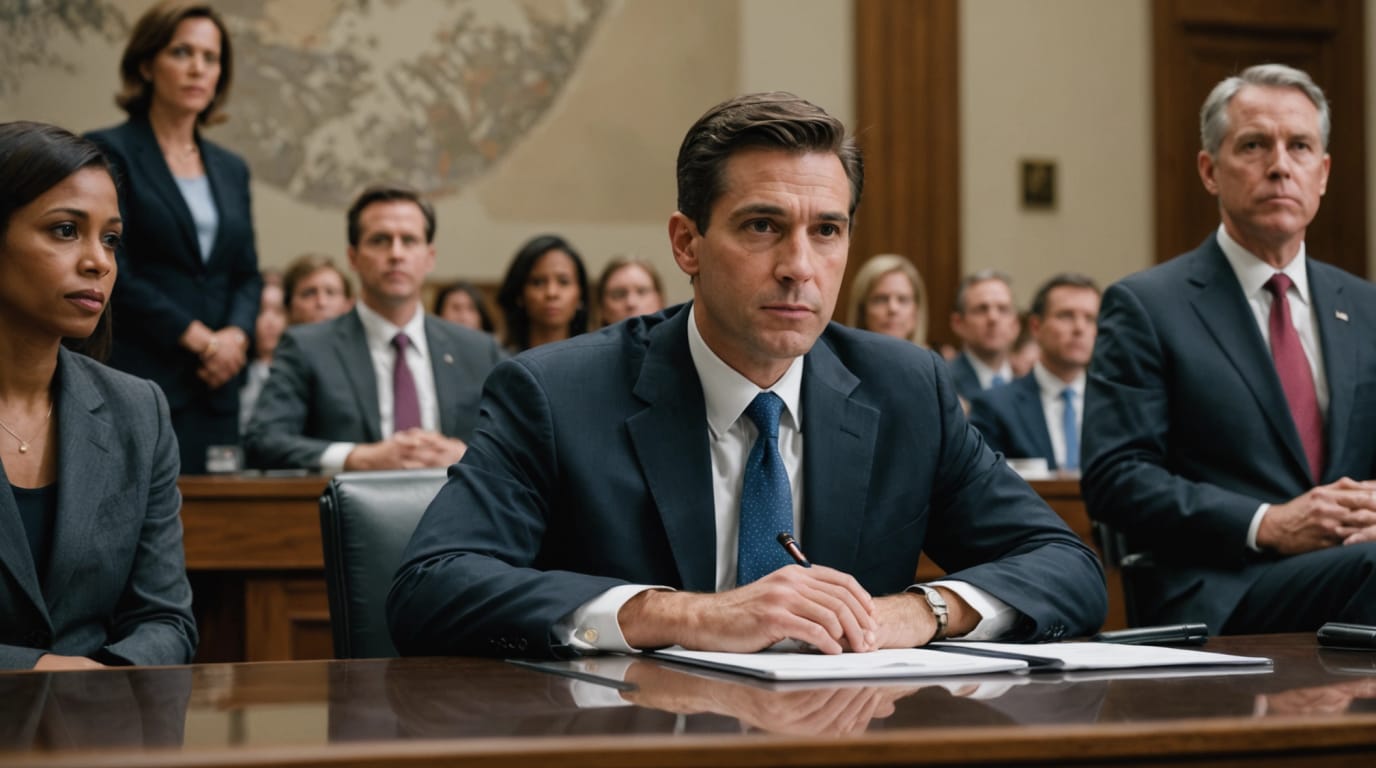
WASHINGTON — Meta Platforms, the tech giant behind Facebook, Instagram, and WhatsApp, is facing a monumental antitrust trial that began Monday in a Washington, D.C., federal court. The Federal Trade Commission (FTC) alleges that Meta illegally solidified its dominance in the social media market through its acquisitions of Instagram and WhatsApp, moves that the agency contends stifled competition and harmed consumers. The outcome of this trial could force Meta to divest these hugely popular platforms, potentially reshaping the entire social media landscape and sending shockwaves through Silicon Valley.
FTC Alleges "Buy or Bury" Strategy
The FTC's case centers on the argument that Meta, under the leadership of CEO Mark Zuckerberg, employed a "buy or bury" strategy to neutralize potential competitors. According to the FTC, Meta recognized the growing threat posed by Instagram and WhatsApp in the early 2010s. Internal communications allegedly reveal Zuckerberg expressing concern about Instagram's rapid growth, calling its potential "really scary." Rather than allowing these companies to compete and potentially challenge Facebook's dominance, the FTC argues, Meta strategically acquired them to eliminate the competitive threat.
The FTC highlights Meta's 2012 acquisition of Instagram for $1 billion and its 2014 purchase of WhatsApp for $19 billion as key examples of this anti-competitive behavior. The agency claims that these acquisitions were not simply strategic investments but deliberate attempts to protect Facebook's market share by eliminating emerging rivals. The FTC contends that Meta's actions have prevented consumers from enjoying the benefits of a competitive social media market, such as greater innovation, lower prices, and more choices.
Meta Defends its Acquisitions
Meta vehemently denies the FTC's allegations, arguing that it operates in a highly competitive social media landscape. The company asserts that it faces intense competition from a wide range of platforms, including TikTok, YouTube, X (formerly Twitter), and iMessage. Meta's legal team contends that the FTC is attempting to punish the company for its success and that revisiting acquisitions approved by regulators more than a decade ago sets a dangerous precedent.
Meta also argues that the social media landscape has changed dramatically since 2012 and 2014. The company claims that it faces far more competition today than it did when it acquired Instagram and WhatsApp. Meta's lawyers are expected to present evidence demonstrating the intense rivalry between various social media platforms and the constant pressure to innovate and attract users. Meta spokesperson Christopher Sgro stated that the FTC's lawsuit "defies reality," and that the evidence presented at trial will confirm the competitive nature of the social media market.
Potential Remedies and Implications
If the FTC prevails in court, the agency is seeking a significant remedy: the forced divestiture of Instagram and WhatsApp from Meta. This would effectively break up Meta's social media empire, creating three separate companies. The FTC argues that this is the only way to restore competition to the social media market and prevent Meta from continuing to exert its alleged monopoly power.
Such a breakup would have profound implications for Meta and the broader tech industry. Meta's advertising business, which relies heavily on the combined user base and data from Facebook, Instagram, and WhatsApp, could be significantly impacted. The separation of these platforms could also lead to increased competition in the social media market, potentially benefiting consumers and smaller companies.
However, a forced divestiture would also present significant challenges. Untangling the complex technical and operational integrations between Facebook, Instagram, and WhatsApp would be a massive undertaking. There are also questions about how user data and advertising relationships would be divided among the separate companies.
Political Undercurrents and the Trump Factor
The trial is unfolding against a backdrop of political intrigue and speculation. The case was initially filed during the Trump administration, then aggressively pursued by the Biden administration, and is now proceeding under the leadership of FTC Chair Andrew Ferguson, a recent Trump appointee.
Concerns have been raised about potential political interference in the case, particularly given former President Trump's reportedly friendly relationship with Zuckerberg. Zuckerberg met with Trump earlier this month, reportedly to discuss a potential settlement in the antitrust case. While Ferguson has stated that political factors will not influence the case, some observers remain skeptical, given Trump's unprecedented influence over the FTC.
A Trial of Epic Proportions
The trial is expected to last seven to eight weeks and will involve extensive testimony from key figures, including Zuckerberg, former Meta COO Sheryl Sandberg, and executives from both Meta and competing companies. Judge James Boasberg, who has presided over the case for several years, will ultimately decide whether Meta violated antitrust laws.
The outcome of this trial will have far-reaching consequences for Meta, the social media industry, and the future of antitrust enforcement in the digital age. It represents a significant test of the government's ability to rein in the power of Big Tech and protect competition in the rapidly evolving digital economy.
Conclusion: A Defining Moment for Meta and Antitrust Law
As the trial unfolds, the world will be watching closely to see whether the FTC can convince the court that Meta engaged in anti-competitive behavior. Regardless of the outcome, this case marks a defining moment in the ongoing debate about the power and responsibility of tech giants and the role of antitrust law in regulating their behavior. The decisions made in this courtroom will likely shape the future of the social media landscape for years to come.


