Mexico Gears Up for Unprecedented Third World Cup Hosting Duty
Mexico City, Mexico – As the world prepares for the expanded FIFA World Cup in 2026, Mexico stands at the precipice of football history, set to become the first nation to host the prestigious tournament for an unprecedented third time. Alongside co-hosts the United States and Canada, Mexico's deep-rooted passion for the sport, coupled with significant infrastructural investments, positions it as a pivotal player in delivering a truly global spectacle. However, this monumental undertaking arrives with a complex tapestry of economic aspirations, logistical challenges, and local community concerns, all under the intense scrutiny of a global audience.
A Legacy Forged in Football History
Mexico's association with the FIFA World Cup is steeped in iconic moments and enduring legacies. The nation first welcomed the world in 1970, a tournament widely celebrated for its vibrant atmosphere and the artistic brilliance of Pelé's Brazil. Sixteen years later, in 1986, Mexico stepped in as a last-minute host, delivering another memorable event that saw Diego Maradona etch his name into football folklore. Both tournaments cemented Mexico's reputation for passionate fans and the ability to organize world-class events despite challenging circumstances. Central to this rich history is Estadio Azteca in Mexico City, a cathedral of football that witnessed both Pelé and Maradona lift the coveted trophy. In 2026, this legendary stadium will once again take center stage, making history as the only venue globally to host three World Cup opening matches.
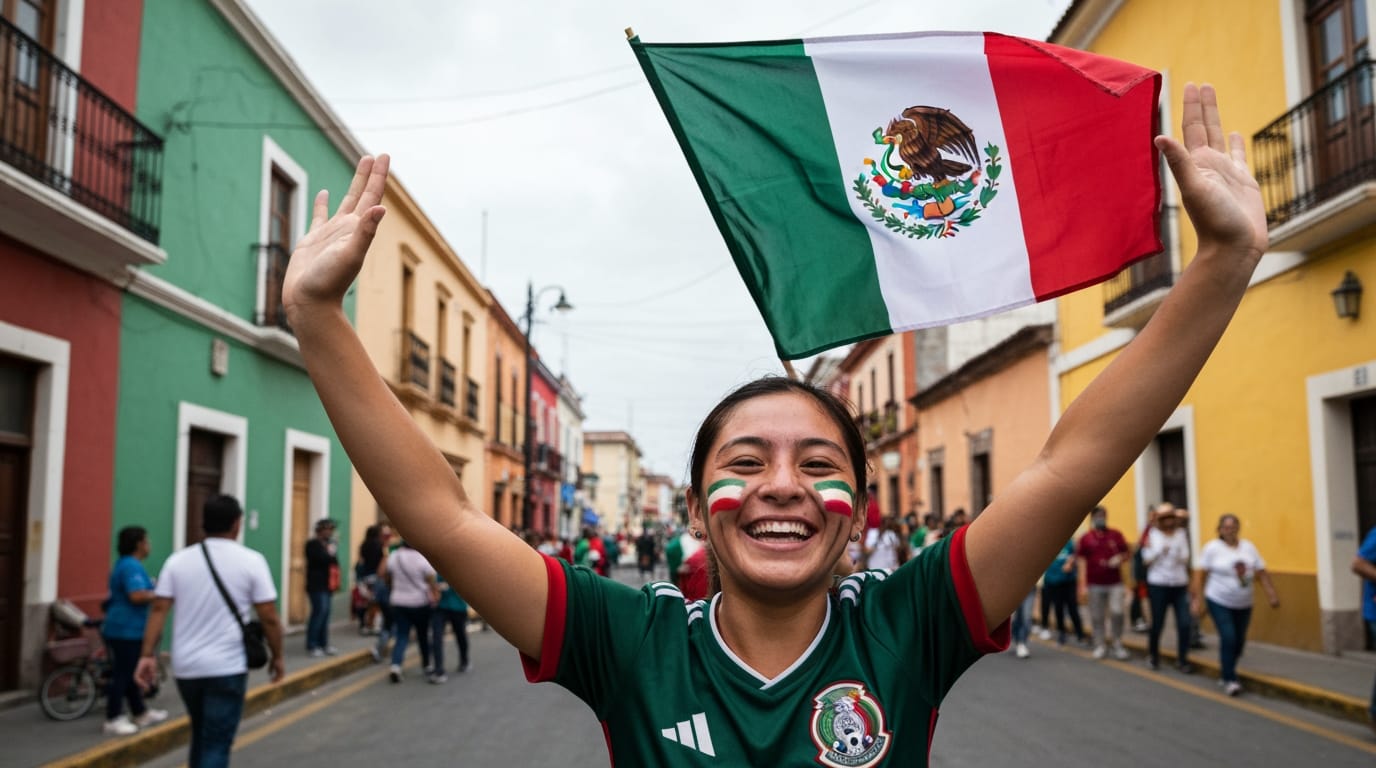
The decision to return to Mexico, particularly Estadio Azteca, underscores a recognition of its unique place in football lore. Beyond the historical significance, the nation's profound cultural connection to football promises an electrifying atmosphere that few countries can match. This upcoming tournament is not merely a sporting event but an opportunity for Mexico to reassert its identity on the global stage, showcasing its vibrant culture, rich heritage, and unwavering enthusiasm for the beautiful game.
Modern Arenas and Infrastructural Transformation
Preparing for a modern FIFA World Cup demands substantial upgrades, and Mexico's host cities have embarked on extensive renovation projects. The Estadio Azteca, a landmark built in 1966, has undergone significant transformation. Renovations, estimated between $80 million and $150 million, include a complete overhaul of the stadium's facade, the installation of state-of-the-art LED lighting, and the creation of new changing rooms and a player tunnel. The interior has seen the replacement of all seating, improving sightlines and comfort for an approximate capacity of 87,000 spectators, along with the introduction of high-resolution LED screens and advanced security systems. Crucially, a new FIFA-standard hybrid playing surface has been installed, designed to thrive in Mexico City's high-altitude environment. While the ambitious renovation faced delays, especially concerning interior elements and hospitality areas, organizers have been working to complete the work. A friendly match between Mexico and Portugal in March was scheduled to mark the reopening, ensuring the stadium is ready for its historic opening match on June 11, 2026.
Beyond the iconic Estadio Azteca, two other Mexican cities will serve as host venues: Guadalajara, home to the modern Estadio Akron, and Monterrey, featuring the impressive Estadio BBVA. These venues, along with the broader urban infrastructure in Mexico City, Guadalajara, and Monterrey, are receiving considerable investment. Mexico City alone has channeled over $1.3 billion (23.122 billion pesos) into projects aimed at enhancing mobility, transport, connectivity, and urban spaces. These investments are not temporary, but rather focused on leaving permanent assets for the benefit of citizens long after the tournament concludes. Monterrey has also seen substantial infrastructure spending, including over $416 million in airport renovations, preparing to welcome an influx of international visitors. In total, Mexico is slated to host 13 matches of the 2026 World Cup across these three cities.
Economic Hopes and Tourism Projections
The Mexican government views the 2026 World Cup as a significant catalyst for economic growth, tourism, and enhanced international standing. Projections indicate a substantial economic impact, with estimates exceeding $3 billion in direct revenue against a global infrastructure investment of approximately $12 billion. The tournament is expected to generate 24,000 direct and indirect jobs and could lead to a 44% increase in international visitors during June and July of 2026. Mexico City alone anticipates welcoming around 5.5 million tourists, with a major fan festival planned for the Zócalo, the city's historic central square, expecting approximately 2.5 million attendees throughout the event. The tourism sector could see an additional $1 billion in revenue, bolstering local economies.
Moreover, the World Cup serves as a powerful platform for cultural diplomacy, showcasing Mexico's diverse regions, gastronomy, and arts to a massive global audience. Initiatives are being designed to extend the benefits beyond the immediate host cities, with programs highlighting regional culture and a focus on "Pueblos Mágicos" (Magical Towns) to draw tourists across the country. This comprehensive approach aims to maximize the long-term exposure and economic benefits, leveraging the tournament to drive sustainable growth and urban transformation.
Navigating the Complexities: Costs, Communities, and Security
Despite the significant opportunities, hosting a mega-event of this scale presents considerable challenges. A critical concern highlighted by analysts is the substantial disparity between the projected investment and the direct economic returns. While approximately $12 billion is being invested, the anticipated economic impact for the host cities is around $3 billion, suggesting a potential economic loss. This raises questions about the long-term financial viability for the host cities, even as FIFA anticipates record revenues of $11 billion for its 2023-2026 cycle.
Beyond financial considerations, the extensive infrastructure projects have ignited local community struggles. In Mexico City, residents adjacent to Estadio Azteca have raised concerns over land use, water privatization, potential displacement, and gentrification, particularly in the context of an associated real estate project. Similar issues have emerged in Monterrey and Guadalajara, where stadium construction and upgrades have been met with opposition regarding land use and environmental impact. These instances underscore a tension between large-scale development and the needs of local populations, raising important questions about the equitable distribution of benefits and burdens associated with mega-events.
Security also remains a persistent concern. Mexico, like any nation hosting a major international event, faces the challenge of ensuring the safety of millions of visitors amidst ongoing issues such as organized crime violence. Mexican authorities are implementing heightened security measures, including training exercises involving foreign personnel, to mitigate risks and ensure a secure environment for all participants and spectators. The logistical complexity of coordinating an unprecedented three-nation, 48-team, 104-match tournament further adds to the operational pressures.
A Nation Ready to Welcome the World
As the countdown to June 2026 continues, Mexico stands ready to embrace its unique role as a three-time World Cup host. The blend of its unparalleled football heritage, modernized infrastructure, and fervent national spirit promises a tournament experience unlike any other. While navigating the inherent complexities of massive investment, community impact, and security concerns will require careful stewardship, the 2026 World Cup represents more than just a series of football matches for Mexico. It is an opportunity to reinforce its position on the global stage, showcase its vibrant culture, and leave a lasting legacy for its people and the international sporting world. The eyes of the footballing world will soon turn to Mexico, anticipating another chapter in its storied World Cup history.