The Indispensable Giant: Does Global Football Hinge on FIFA and its World Cup?
Zurich, Switzerland – For over a century, the Fédération Internationale de Football Association (FIFA) has stood as the unchallenged arbiter and chief promoter of the world's most popular sport. At its core, the question of whether football truly needs FIFA and its iconic World Cup is not merely academic; it delves into the very fabric of global sport, touching upon economic power, cultural unity, and complex governance challenges. While criticism of the organization has mounted over the years, the sheer scale and profound influence of FIFA and its flagship tournament, the FIFA World Cup, suggest an intricate and perhaps indispensable relationship with the global game.
FIFA's Foundational Role: Architect of the Global Game
Founded in Paris on May 21, 1904, by a consortium of European national associations, FIFA's initial mandate was to oversee international competition and standardize the burgeoning sport of association football. From its humble beginnings, headquartered in Zurich, Switzerland, FIFA has burgeoned into a global federation encompassing 211 national associations. Its stated objectives are ambitious: to grow the game internationally, ensure its accessibility to everyone, and uphold integrity and fair play. Beyond these aspirational goals, FIFA meticulously oversees and promotes football at every level, from grassroots development to elite international competitions. It plays a crucial role in regulating player transfers, applying the Laws of the Game (though not solely setting them, a responsibility shared with the International Football Association Board, IFAB), and facilitating an interconnected global footballing ecosystem. FIFA also recognizes and works with six continental confederations – CAF (Africa), AFC (Asia), UEFA (Europe), CONCACAF (North and Central America and the Caribbean), OFC (Oceania), and CONMEBOL (South America) – further solidifying its hierarchical structure and reach.
The World Cup: Football's Unrivaled Zenith
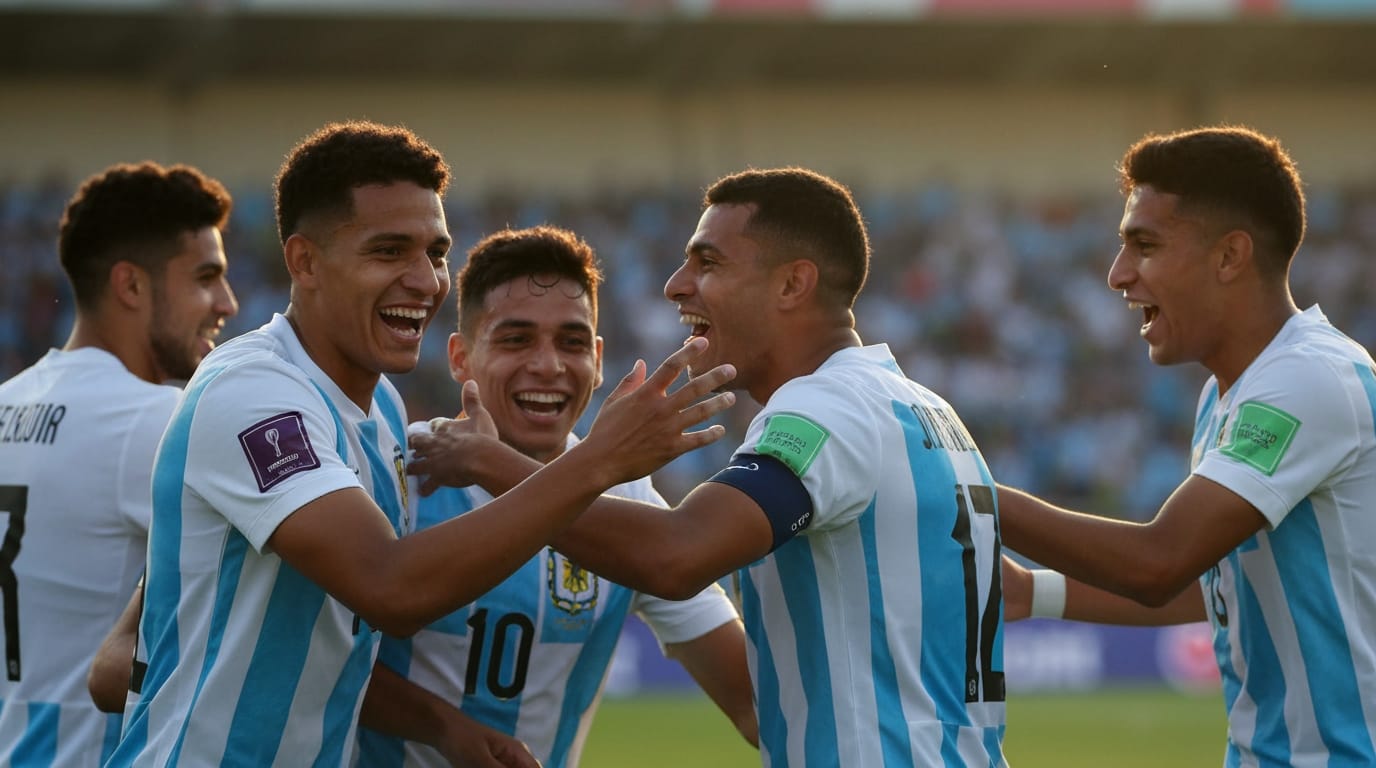
The pinnacle of FIFA's organizational prowess and football's global appeal is undeniably the FIFA World Cup. Initiated for men in 1930 and later for women in 1991, this quadrennial tournament transcends sport, becoming a monumental cultural and economic phenomenon. It represents the ultimate aspiration for players and nations alike, offering a stage where national identity and sporting excellence converge. The World Cup consistently ranks as the most widely viewed sporting event globally. The 2018 tournament, for instance, captivated an astonishing 3.572 billion viewers worldwide.
The economic impact of the World Cup is staggering. For FIFA, it serves as a primary revenue generator, drawing billions from media rights, sponsorships, ticketing, and licensing agreements. The 2019-2022 cycle, culminating in the Qatar World Cup, saw FIFA generate a record $7.57 billion in revenue. Host nations and cities also experience a significant, albeit often temporary, economic surge. Projections for the expanded 2026 FIFA World Cup, co-hosted by the United States, Canada, and Mexico, anticipate a global economic output exceeding $80 billion, contributing approximately $40.9 billion to global GDP and supporting over 823,000 full-time equivalent jobs across various sectors. Beyond the financial metrics, the World Cup acts as a catalyst for urban development, leading to infrastructure upgrades, increased tourism, and a vibrant social atmosphere where cities transform into hubs of celebration. Furthermore, it promotes positive global initiatives, cultural exchange, and boosts sport participation worldwide. The expansion of the tournament to 48 teams from 2026 is poised to offer even more nations the opportunity to participate on this grand stage.
A Shadow of Controversy: Criticisms and Calls for Reform
Despite its monumental successes and unifying power, FIFA has faced persistent and severe criticism, particularly concerning its governance and ethical conduct. A long history of corruption allegations, including vote buying in presidential elections and bribery in World Cup bidding processes, has marred its reputation. Critics frequently point to a perceived lack of transparency and accountability within the organization.
Human rights concerns in host nations, such as the treatment of migrant workers and restrictions on LGBTQ+ rights during the 2022 Qatar World Cup, have also drawn international condemnation, prompting questions about FIFA's due diligence and commitment to ethical standards. Many observers view FIFA as a self-serving entity that often prioritizes profit over fundamental principles, with its leadership operating akin to an autocracy, largely immune to public or media scrutiny. An open letter from football stakeholders in 2025 argued that FIFA is "arguably more poorly governed today than it was 10 years ago," contending that promised reforms have failed to address structural flaws. Concerns also exist that the significant revenues redistributed by FIFA to its member associations primarily serve to ensure loyalty and allegiance, rather than genuinely foster game development.
The Prospect of Alternatives: A Practical Impossibility?
Given the substantial criticisms, the question inevitably arises: could global football function without FIFA? While theoretical alternatives exist, their practical implementation faces immense hurdles. FIFA's near-monopoly is cemented by its vast membership, the global appeal of the World Cup, and its immense economic leverage. Any breakaway organization would need to simultaneously convince national associations, major sponsors, television networks, and top players to join, a monumental task given the risks involved. Clubs and players who operate outside the FIFA-recognized system face potential bans and isolation, underscoring the organization's formidable control.
The power of continental confederations, such as UEFA in Europe and CONMEBOL in South America, is significant. Some argue that a mass withdrawal by these influential bodies could severely challenge FIFA's authority. However, even within such a scenario, smaller national associations might find themselves disadvantaged, as FIFA's current structure arguably provides them with a voice and platform they might lose in a system dominated by wealthier footballing nations. Organizations like the Confederation of Independent Football Associations (CONIFA) exist for teams not affiliated with FIFA, demonstrating that football can exist outside FIFA's direct purview, though on a significantly smaller scale and without the global recognition. Ultimately, many believe that genuine reform from within FIFA, focusing on increased transparency, stricter compliance, and term limits, might be a more realistic path than attempting to dismantle and rebuild the global football governance structure. Yet, others contend that FIFA's internal power dynamics make self-reform inherently difficult, necessitating external regulatory intervention.
Conclusion: An Enduring, Evolving Nexus
The relationship between football and FIFA, particularly its World Cup, is deeply symbiotic. FIFA provides the global infrastructure, standardized rules, and organizational backbone that facilitates football's worldwide reach and competitive integrity. The World Cup, in turn, is the crown jewel, generating unprecedented economic activity, fostering cultural exchange, and providing moments of shared human experience that unite billions.
While the organization's history is undeniably marked by governance failures and ethical dilemmas, challenging its perceived indispensability is a complex undertaking. The immense power, established infrastructure, and financial might of FIFA make any wholesale replacement a formidable, perhaps impractical, proposition in the current landscape. Therefore, the prevailing narrative is not whether football needs FIFA, but rather how FIFA can evolve to meet modern expectations of transparency, accountability, and ethical governance, ensuring the beautiful game remains untarnished for generations to come. The future of global football, it seems, will continue to be inextricably linked with the fortunes and reforms of its century-old guardian.