Middle East Ablaze: US-Israel Strikes Ignite War with Iran, Regional Stability Jeopardized
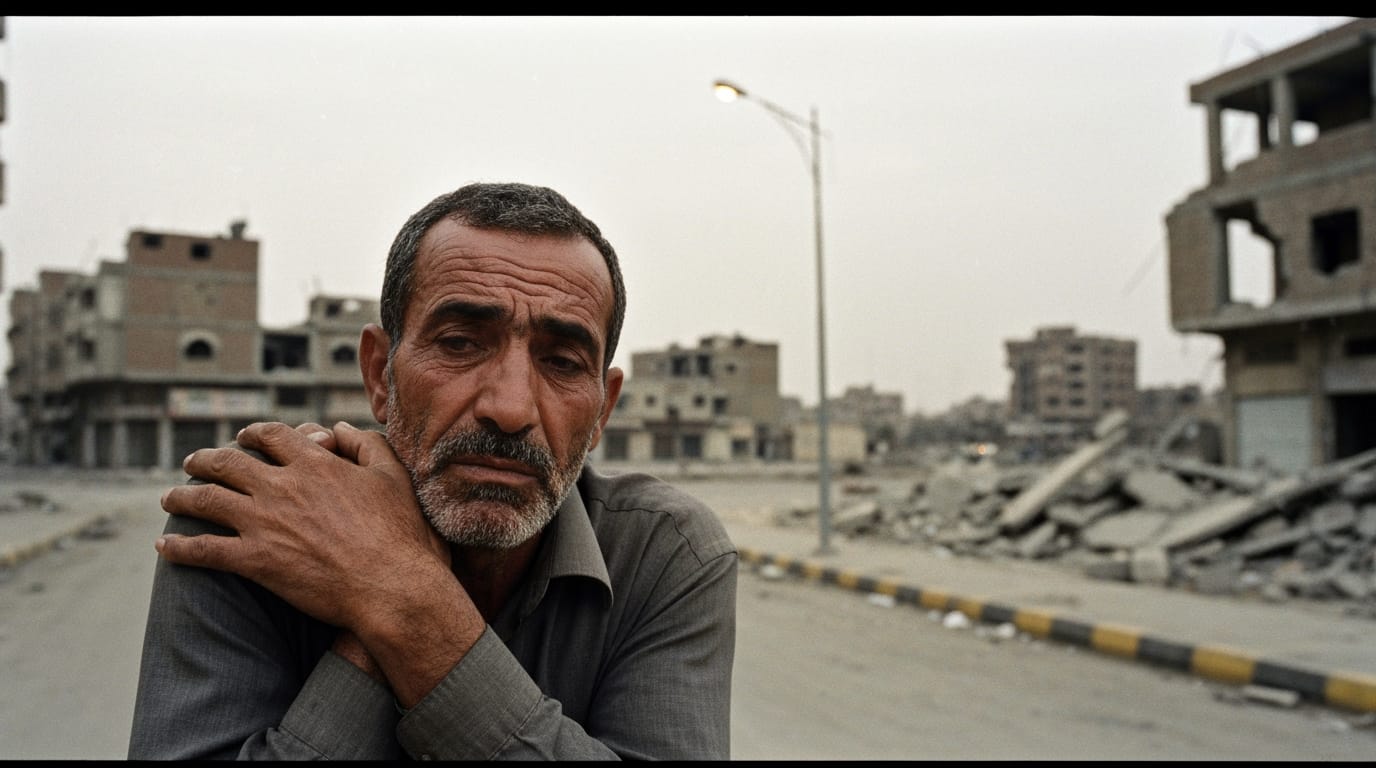
The long-simmering tensions in the Middle East have erupted into open warfare, as the United States and Israel launched a coordinated military campaign against Iran on February 28, 2026, triggering widespread retaliation and plunging the region into unprecedented turmoil. The offensive, code-named "Operation Epic Fury" by the U.S. and "Operation Roaring Lion" by Israel, targets key Iranian military, nuclear, and leadership facilities, with declared objectives ranging from preventing nuclear weapon acquisition to degrading Iran's missile capabilities and weakening its proxy networks. However, Iran's swift and extensive counterattacks have escalated the conflict beyond its borders, sending shockwaves through global energy markets and raising grave concerns about a broader regional conflagration and its severe humanitarian and economic consequences.
Unprecedented Strikes Target Iranian Core
The joint military operation commenced with nearly 900 strikes in the initial 12 hours, targeting Iranian missiles, air defenses, other military infrastructure, and leadership. Among the most significant early casualties was Iran's Supreme Leader, Ayatollah Ali Khamenei, whose compound was reportedly destroyed, and several other senior Iranian officials who were killed in the initial wave of attacks. U.S. President Donald Trump, in a recorded address, stated the operation's primary aim was to prevent Iran from acquiring a nuclear weapon, while also calling on Iranians to seize a "once-in-a-generation opportunity" to take control of their country, hinting at regime change as an underlying objective. Israeli and U.S. officials also cited the need to destroy Iran's missile arsenal and degrade its proxy networks as key goals. The strikes also impacted civilian infrastructure, including a girls' school in Minab province, resulting in casualties, though Israeli officials denied involvement in that specific strike. While the stated primary targets included nuclear facilities, initial reports indicated that some nuclear sites were not immediately struck in the opening hours of the conflict, though Natanz has since been targeted.
Iran's Retaliation Fuels Regional Escalation
Iran responded swiftly and forcefully to the U.S.-Israeli assault, launching hundreds of retaliatory missiles and thousands of drones across the region. Targets included Israel, U.S. military bases in allied Gulf states, and military and civilian locations in countries such as Bahrain, Kuwait, Qatar, Saudi Arabia, the United Arab Emirates, Jordan, and Oman. Hezbollah, an Iranian-backed militant group in Lebanon, also launched missile attacks on Israel, drawing Lebanon further into the conflict. This rapid escalation has led to widespread airspace closures or restrictions across Iran, Iraq, Israel, Syria, Bahrain, Kuwait, Qatar, and the UAE, severely disrupting civilian mobility and humanitarian access. Militias in Iraq, under orders from Iran's Islamic Revolutionary Guard Corps (IRGC), have also intensified attacks against U.S. bases and Israeli targets. The ongoing exchange of fire has caused significant damage and resulted in over a thousand fatalities, with hundreds of thousands of travelers stranded.
Decades of Distrust Culminate in Conflict
The current hostilities represent a dramatic culmination of decades of adversarial relations between Iran and both the United States and Israel. Tensions intensified significantly after the U.S. withdrawal from the Joint Comprehensive Plan of Action (JCPOA) in 2018, leading to the re-imposition of sanctions and a "maximum pressure" campaign aimed at crippling Iran's economy and curbing its nuclear ambitions and regional influence. Iran's continued development of its nuclear program, including enriching uranium to levels near weapons-grade, and its ballistic missile program, have been central points of contention. Despite repeated diplomatic efforts, including indirect talks in early 2026, a resolution proved elusive.
Prior to the current war, Israel and Iran had engaged in several direct and indirect skirmishes. In April and October 2024, they exchanged strikes. A "12-day war" in June 2025 saw Israel debilitate Iran's air defenses and significantly damage its military and nuclear infrastructure, followed by U.S. strikes on underground nuclear facilities. Recent large-scale anti-government protests in Iran, driven by economic crisis and calls for regime change, further weakened the Iranian government's internal stability, which some analysts suggest may have influenced the U.S. and Israeli decision to pursue military means over diplomatic ones.
Global Economic Fallout and Energy Shock
The conflict has already triggered significant economic repercussions worldwide, particularly in energy markets. Oil prices have surged, with crude oil screaming toward $90 a barrel from below $60 in December, driven by fears of supply disruptions, especially concerning the critical Strait of Hormuz through which approximately 20% of global oil passes daily. A prolonged war could lead to a massive supply shock, potentially pushing oil prices above $100 per barrel and tipping the world towards stagflation.
Economies heavily reliant on energy imports, such as those in Europe and Asia, are particularly vulnerable to inflation and reduced purchasing power. While the U.S. has become a modest net energy exporter due to the shale revolution, American households still face higher fuel prices, and the conflict complicates the Federal Reserve's inflation fight. Beyond energy, disruptions to trade routes and supply chains, including critical components for chip manufacturing like helium from Qatar, pose additional economic risks. The economic crisis could further destabilize already fragile economies in the region, such as Egypt and Tunisia.
Humanitarian Crisis and Uncertain Future
The human cost of the escalating conflict is mounting, with more than a thousand people dead and hundreds of thousands displaced or stranded. Civilian infrastructure has been damaged, and the ongoing hostilities risk exacerbating internal instability within Iran, which has been grappling with extensive anti-regime protests. The targeting of Iranian leadership has created a power vacuum, with significant uncertainty regarding the succession of the Supreme Leader.
The international community's response has been cautious. European nations, while sharing concerns about Iran's nuclear program, have largely distanced themselves from the military operation, calling for restraint and a return to diplomacy. Regional actors, including the Gulf Cooperation Council (GCC) states and Turkey, are on the front lines of the conflict and face severe security, economic, and political consequences. The prospect of a wider regional conflict, involving a complex web of proxy forces and potentially drawing in more countries, remains a grave concern. The long-term implications for the Middle East remain profoundly uncertain, with scenarios ranging from further destabilization to the potential for a new regional order.
The ongoing US-Israel military campaign against Iran represents a dramatic and dangerous turning point in Middle East geopolitics. With Iran's core leadership targeted and its counterattacks reverberating across the region, the conflict has rapidly escalated beyond initial expectations, triggering humanitarian concerns, economic shocks, and profound uncertainty about the future stability of an already volatile region. The consequences of this war are expected to be far-reaching, reshaping regional alliances and challenging global security for years to come.


