Pivotal State Elections Poised to Reshape Germany's Political Landscape
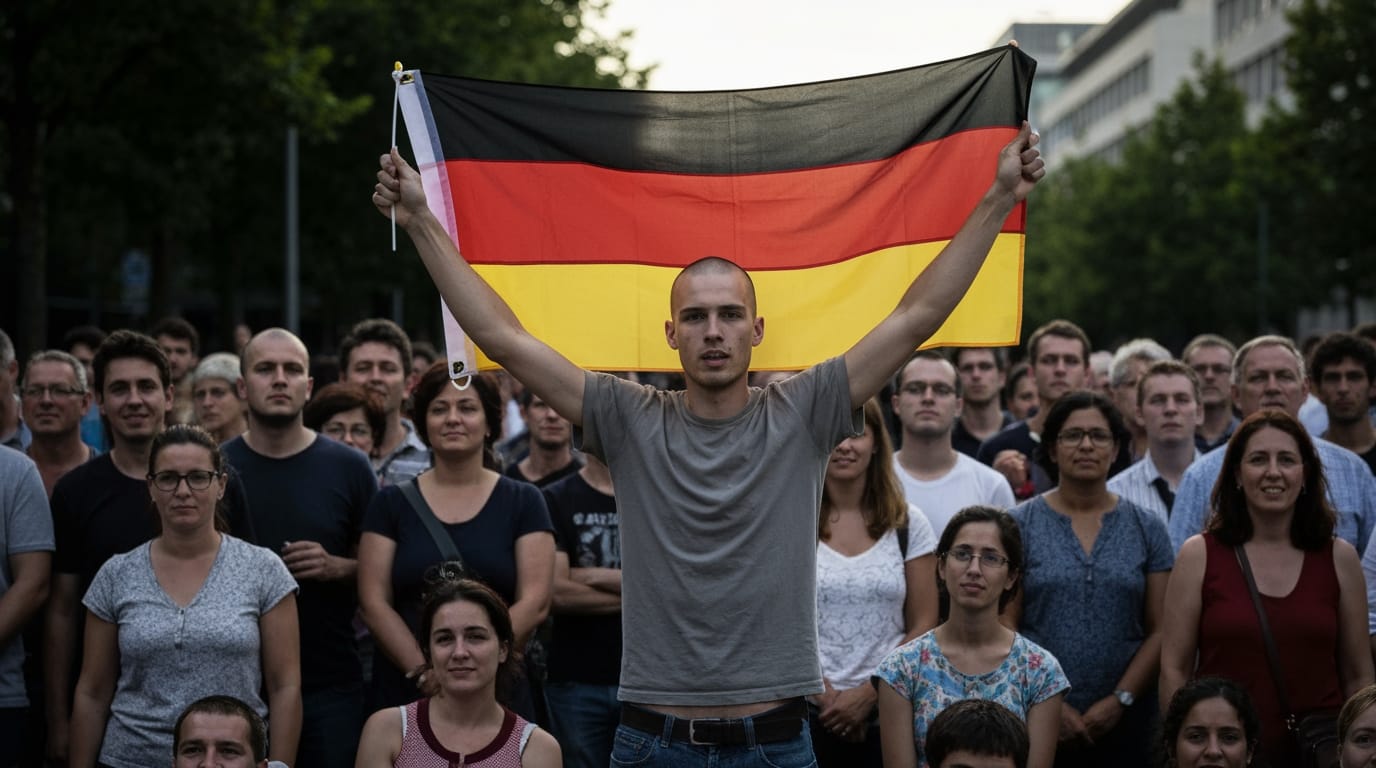
BERLIN – German voters head to the polls this month for two crucial state elections, beginning with Baden-Württemberg on March 8, followed by Rhineland-Palatinate on March 22, kicking off what analysts are calling a "super election year" with profound implications for the nation's political future. These regional contests are widely seen as a significant barometer of public sentiment towards the current federal coalition and could intensify the political fragmentation already evident across Germany. The outcomes are expected to test the resilience of the political center and the stability of the CDU/CSU-SPD federal government, while also spotlighting the continued ascent of populist movements.
The "Super Election Year" Commences Amidst National Unease
The first electoral battleground, Baden-Württemberg, a southwestern state home to globally significant industrial players like Mercedes-Benz, Porsche, Bosch, and SAP, holds its state parliament election on March 8. Nearly 7.7 million voters are eligible, including, for the first time, 16- and 17-year-olds, introducing an estimated 180,000 new young voices to the electorate. The state's economic health, marked by a recent contraction and industrial transformation challenges, is a central theme in the campaign. The contest pits the incumbent Greens, led by Winfried Kretschmann (who is stepping down), against a surging Christian Democratic Union (CDU) under Manuel Hagel, with polls showing a tight race. Two weeks later, on March 22, Rhineland-Palatinate, an SPD stronghold for 35 years, will see its three million voters decide the composition of their new state parliament. Alexander Schweitzer (SPD) seeks to remain Minister-President, but current polling suggests the state's long-standing "traffic-light" coalition (SPD, Greens, FDP) may no longer be viable, with the FDP's re-entry into parliament far from guaranteed. These initial elections serve as critical "litmus tests" for the broader political mood, with their results anticipated to influence the dynamic within the federal government and its policy direction.
Federal Fault Lines Reflected in State Campaigns
The 2026 state elections unfold against a backdrop of increasing dissatisfaction with Germany's federal government. The current national administration, a grand coalition of the CDU/CSU and the Social Democratic Party (SPD), led by Chancellor Friedrich Merz, assumed power following the snap federal election in February 2025. That election, triggered by the collapse of the "traffic-light" coalition (SPD, Greens, FDP) over internal disagreements on economic policies and budgetary allocations in late 2024, marked a significant shift in Germany's political landscape. The CDU/CSU emerged as the strongest party, while the far-right Alternative for Germany (AfD) surged to second place, nearly doubling its 2021 vote share. Conversely, the SPD suffered its worst federal election result in history, and the Greens and FDP also saw substantial setbacks. This dramatic realignment at the federal level has left the CDU-led government under pressure to deliver, particularly on issues of economic recovery, immigration control, and defense spending. The state election results this year will be closely scrutinized as indicators of public sentiment toward Chancellor Merz's government and the stability of his coalition.
The Persistent Rise of the Far-Right and the 'Firewall' Under Threat
A pervasive theme across all upcoming elections is the expected further gains by the Alternative for Germany (AfD). The party, which achieved a record 20.8 percent in the 2025 federal election, becoming the strongest party in eastern Germany, continues to exploit public dissatisfaction with mainstream parties and capitalize on debates around migration, economic challenges, and energy policy. Polling indicates the AfD is leading in eastern states like Saxony-Anhalt and Mecklenburg-Vorpommern, where elections are slated for September. In Saxony-Anhalt, the AfD's support of 38-40% could even place it ahead of any combination of other parties, posing a severe test to the "firewall" – the stated refusal of mainstream parties to cooperate with the AfD. A potential scenario where the AfD achieves a parliamentary majority, or forces a minority government due to the fragmentation of other parties, would represent an unprecedented shift, granting the far-right direct control of a state government and the opportunity to implement its agenda. This ongoing rise, fueled by an anti-migration, anti-Green, anti-LGBTQ, and nationalist platform, signals a deepening political polarization across the country.
Economic Headwinds and Shifting Policy Priorities
Germany enters 2026 after narrowly exiting a recession, with economic stabilization rather than strong momentum defining the current climate. This sluggish growth, coupled with persistent inflation and elevated unemployment, has significantly narrowed policy options for the federal government and intensified calls for structural reforms. The economic anxieties are particularly acute in manufacturing-heavy states like Baden-Württemberg, which are grappling with industrial transformation. Debates over energy policy, with the Greens advocating for a swift transition to renewables and the CDU/CSU pushing for a more balanced approach considering economic implications, remain contentious. Furthermore, the issue of immigration continues to be a key driver of voter priorities. The CDU's shift towards stricter border controls and its willingness to rely on AfD votes for certain migration policies have sparked controversy, indicating a clear change in voter sentiment and a willingness to overlook traditional political "red lines." The state elections will thus serve as a critical gauge of public appetite for proposed federal reforms and highlight the divergence in approaches to these pressing economic and social issues.
A Fragmented Future?
As Germany embarks on its "super election year," the state elections in Baden-Württemberg and Rhineland-Palatinate are more than just local contests; they are early indicators of profound national political shifts. The results will not only determine regional governance but also send strong signals about the viability of the federal coalition, the public's tolerance for populist parties, and the direction of key policy debates on economy, energy, and immigration. With increasing fragmentation and the testing of long-held democratic norms, the outcomes of these and subsequent elections in 2026 could irrevocably alter Germany's political landscape, challenging the stability of its political center and reshaping its role both domestically and within Europe.


