Migrant Boat Capsizes Near Lesbos, Killing Four
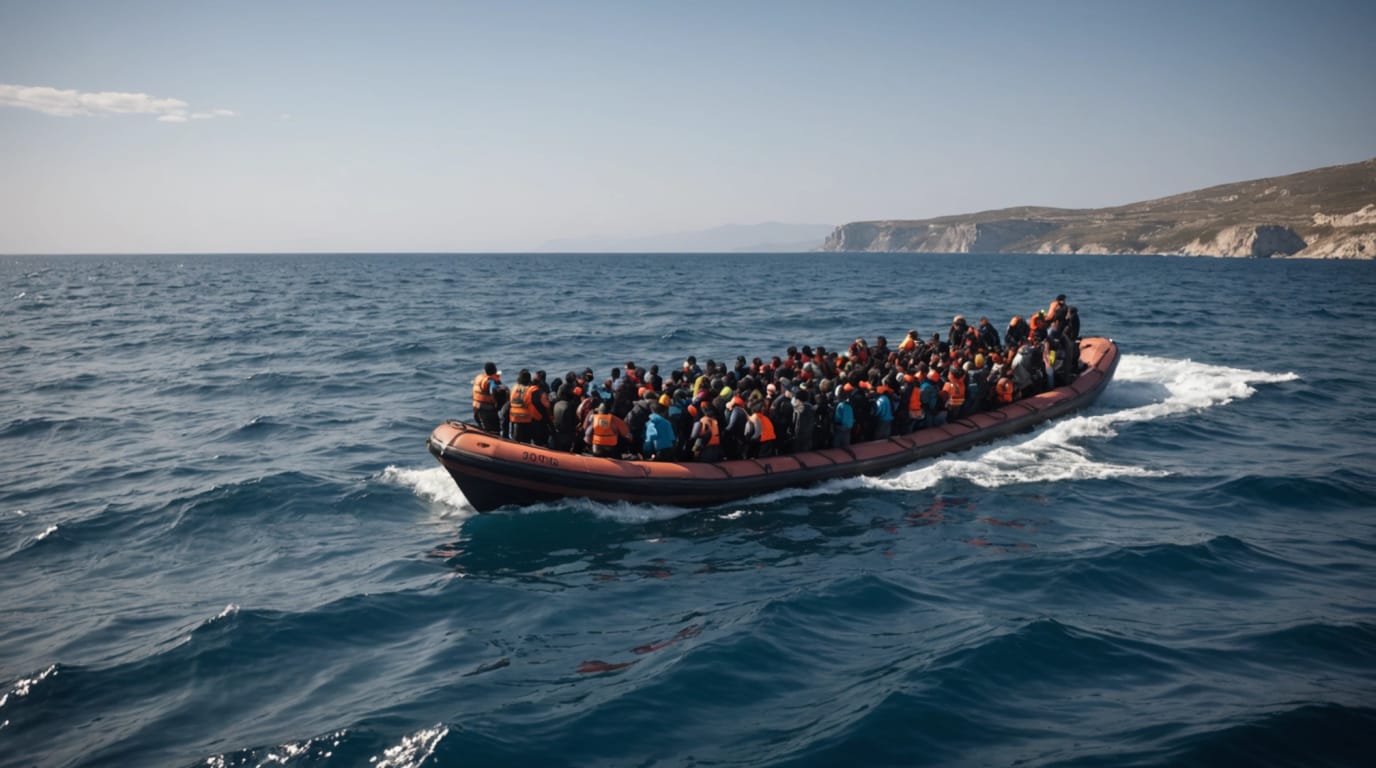
A search and rescue operation is underway near the Greek island of Lesbos after a boat carrying migrants capsized early Thursday morning. As of Thursday afternoon, four people are confirmed dead, including two children.
The Greek Coast Guard reported that the bodies of two women and two children, a boy and a girl, were recovered off the northern coast of Lesbos. Twenty-three people have been rescued so far. The nationalities of the deceased and survivors, as well as the total number of people on board the vessel, remain unknown.
The incident occurred as the boat was traveling from the Turkish coast to Lesbos, a route frequently used by migrants attempting to enter the European Union. The cause of the capsizing is currently under investigation, though weather conditions in the area were reportedly good.
Search and Rescue Efforts Continue
Greek authorities have deployed significant resources to the search and rescue operation. Three coast guard vessels, an air force helicopter, and a nearby boat are actively searching for potential additional victims. The operation is focused on the sea and coastal areas near the site of the capsizing.
The Coast Guard has not released information regarding the type of vessel involved in the incident. Details regarding the number of missing individuals are also unavailable. The search is ongoing, and authorities are expected to provide updates as they become available.
Lesbos: A Key Entry Point for Migrants
Lesbos, located in the eastern Aegean Sea, has long been a primary entry point into the European Union for migrants and refugees. Its proximity to the Turkish coast makes it an attractive, albeit dangerous, crossing point for individuals fleeing conflict, persecution, and poverty in the Middle East, Africa, and Asia.
Many migrants attempt the journey in small, often unseaworthy vessels, including inflatable dinghies. These boats are frequently overcrowded and lack adequate safety equipment, making them vulnerable to capsizing, particularly during inclement weather.
Increased Patrols and Shifting Routes
The Greek government has intensified its patrols in the Aegean Sea in recent years in an effort to deter illegal migration. This has led to a decrease in crossings to some of the closer islands.
As a result, smuggling networks have adapted, increasingly using larger vessels to transport migrants from North Africa to southern Greece, a longer and more perilous route. Despite increased patrols, the flow of migrants attempting to enter Greece has continued, highlighting the desperation of those seeking refuge in Europe.
A History of Tragedy in the Mediterranean
The Mediterranean Sea has become a graveyard for countless migrants and refugees over the past decade. According to the United Nations, thousands of people have died or gone missing while attempting to cross the sea, with the central Mediterranean route being particularly deadly.
In December 2024, at least five migrants drowned after their boat capsized off the island of Gavdos, south of Crete. In 2023, hundreds of migrants died when an overcrowded vessel sank in international waters off the coast of Pylos, Greece. These incidents underscore the urgent need for safer and more humane migration policies.
Conclusion
The capsizing near Lesbos is a stark reminder of the human cost of migration. While search and rescue efforts continue, the incident highlights the dangers faced by those attempting to cross the Aegean Sea in search of a better life. The incident is under investigation. The ongoing crisis demands a comprehensive and coordinated response from European and international authorities to prevent further loss of life and address the root causes of migration.


