Milan-Cortina 2026: Curling Quietly Kicks Off Winter Olympics Ahead of Grand Opening
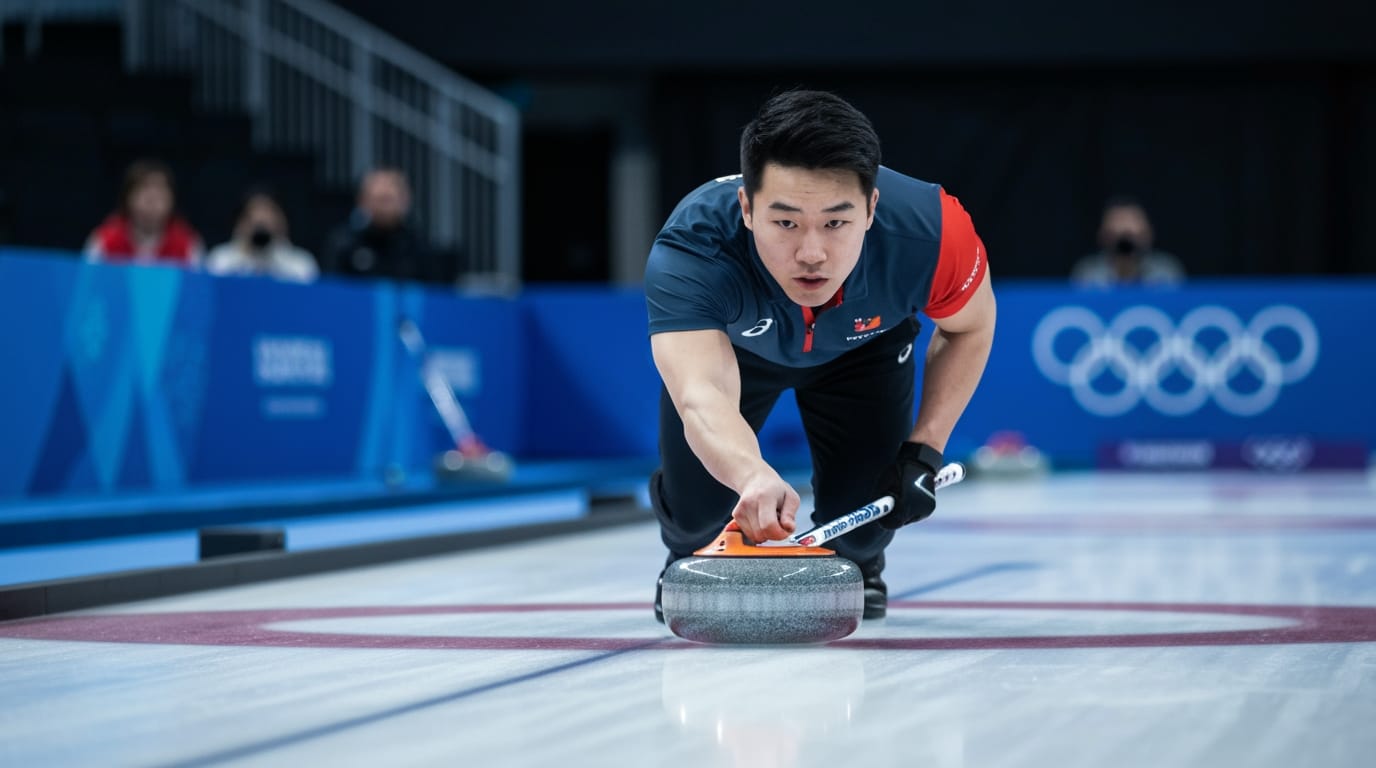
The Winter Olympic Games Milano Cortina 2026 have officially begun, not with the typical fanfare of a spectacular opening ceremony, but with the subtle strategic glide of curling stones across the ice. As athletes in mixed doubles curling took to the sheet in Cortina d'Ampezzo on Thursday, February 4, the global sporting spectacle commenced its two-and-a-half-week run, two days ahead of the much-anticipated official opening ceremony in Milan. This quiet commencement marks the practical reality of modern Olympic logistics, setting a measured pace before the world's eyes turn fully to Italy.
The Early Start: A Logistical Necessity
While the world awaits the dazzling lights and pageantry of the Opening Ceremony at Milan's Stadio San Siro on February 6, competitive action is already well underway across various venues in Italy. The decision to initiate events like curling prior to the official start is a calculated move by Olympic organizers. Modern Games, with their expanded rosters of sports and athletes, demand a meticulously staggered schedule to ensure fair play, adequate rest for competitors, and the successful conclusion of all tournaments within the designated timeframe. Curling, with its extensive round-robin format, is a prime example of a sport requiring additional days to complete its full program. Without these early starts, many events would simply exceed the traditional 16-day Olympic window.
Beyond curling, the early days also see crucial preparations in other disciplines. Official training runs for alpine skiing are already taking place in Bormio, allowing skiers to familiarize themselves with the challenging Stelvio course for safety and performance. Luge athletes are also conducting training sessions at the Cortina Sliding Centre. Ice hockey, another sport with a demanding schedule, is slated to begin preliminary group matches for the women's tournament on February 5, further contributing to the pre-ceremony athletic buzz. Ski jumping, snowboarding, and figure skating also have competitions or training commencing before the torch is lit.
The Strategic Game of Stones: Curling Takes Center Stage
Curling, often dubbed "chess on ice" for its intricate strategy and precision, is the sport that has truly inaugurated the competitive phase of Milano Cortina 2026. Mixed doubles teams, composed of one male and one female athlete, are currently engaged in intense round-robin play. These early matches are vital, determining which nations will advance to the knockout rounds and ultimately contend for the first medals of the Games. The Cortina Olympic Stadium in Cortina d'Ampezzo serves as the hub for all curling competitions, including the men's and women's tournaments that will follow the mixed doubles event. As the host nation, Italy automatically secures a spot in each of the three curling disciplines.
The initial mixed doubles matches offer a glimpse into the competitive spirit that defines the Olympics. Each game, consisting of eight ends, demands a delicate balance of skill in sliding the 20-kilogram stones, strategic placement, and vigorous sweeping to influence the stone's trajectory. These early battles, though perhaps lacking the immediate mass appeal of marquee alpine events, are foundational to the overall narrative of the Games, providing dedicated fans and early risers with their first taste of Olympic glory.
Building Anticipation: A Deliberate Pace
The phased opening of the Winter Olympics reflects a broader understanding of how to sustain excitement and engagement over the course of more than two weeks. Instead of a single, overwhelming burst of activity, the gradual introduction of events allows for a slow build-up of tension and anticipation. This deliberate pace ensures that specific sports and individual athletes can command attention before being subsumed by the full Olympic schedule. For many sports, the logistical considerations of round-robin play, multiple heats, or necessary training runs simply necessitate an earlier start. This approach enables athletes to acclimatize to the venues and local conditions, a critical factor given the diverse and often challenging environments of winter sports.
This year's Games are also notably spread out geographically, with venues across Lombardy and Northeast Italy, making coordinated logistics even more crucial. Cortina d'Ampezzo, a historic Olympic host from 1956, and Milan, a bustling metropolis, are co-hosting for the first time, adding another layer of complexity and dispersed activity before the unified celebration of the Opening Ceremony.
The Road Ahead: From Quiet Start to Global Spectacle
With the mixed doubles curling underway and other preliminary actions unfolding, the stage is being meticulously set for the full grandeur of the XXIV Winter Olympic Games. From these initial, focused competitions, the energy will steadily mount towards the official opening, where thousands of athletes from 92 nations will parade under the Olympic flag. The quiet intensity of the curling sheet will soon give way to the thunderous roars of alpine downhill, the graceful artistry of figure skating, and the sheer speed of bobsleigh and luge. While the start may be subdued, it is a purposeful beginning, laying the groundwork for the extraordinary feats of athleticism and human spirit that will captivate audiences worldwide over the coming weeks. The early battles on the ice have already signaled that the quest for Olympic gold has truly begun.