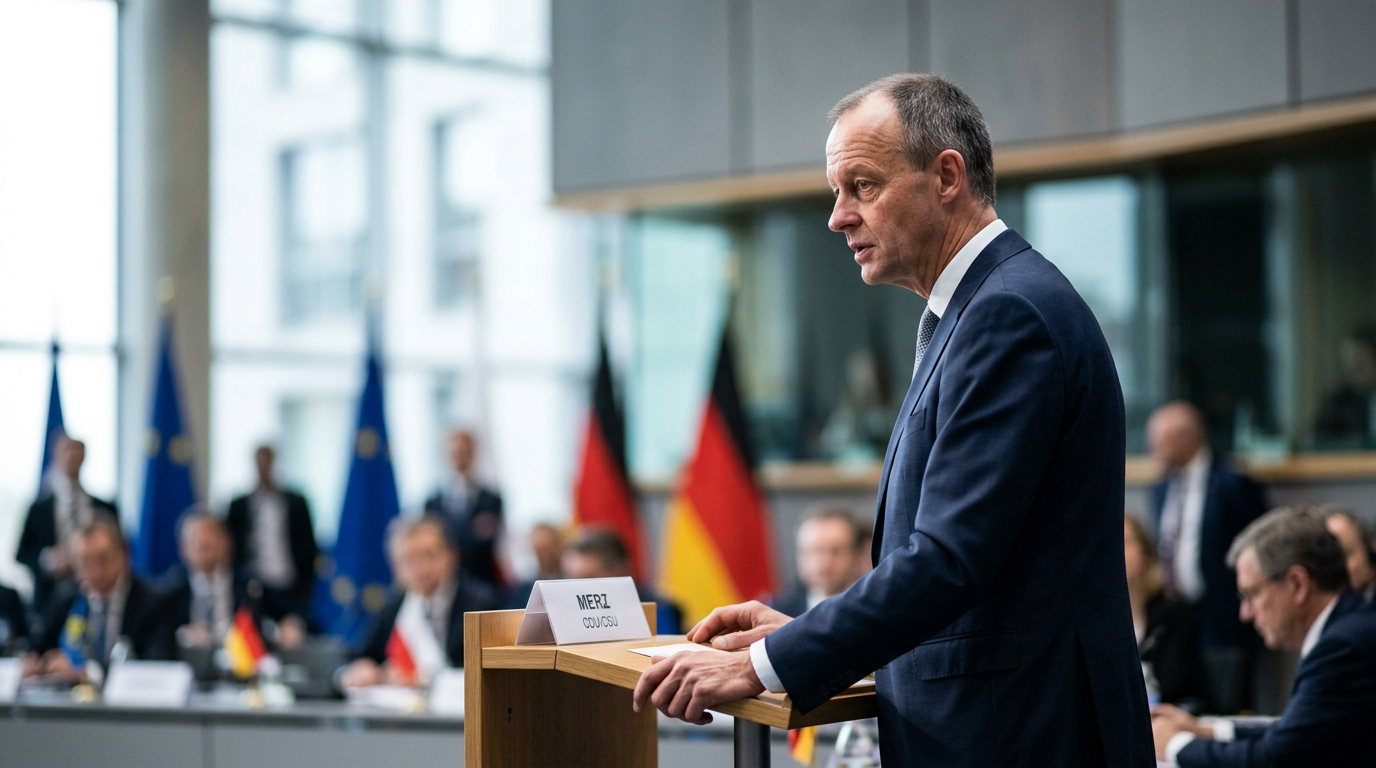
Modi Advances Trade Corridor Talks in Cyprus, Signaling New Era of India-Europe Connectivity
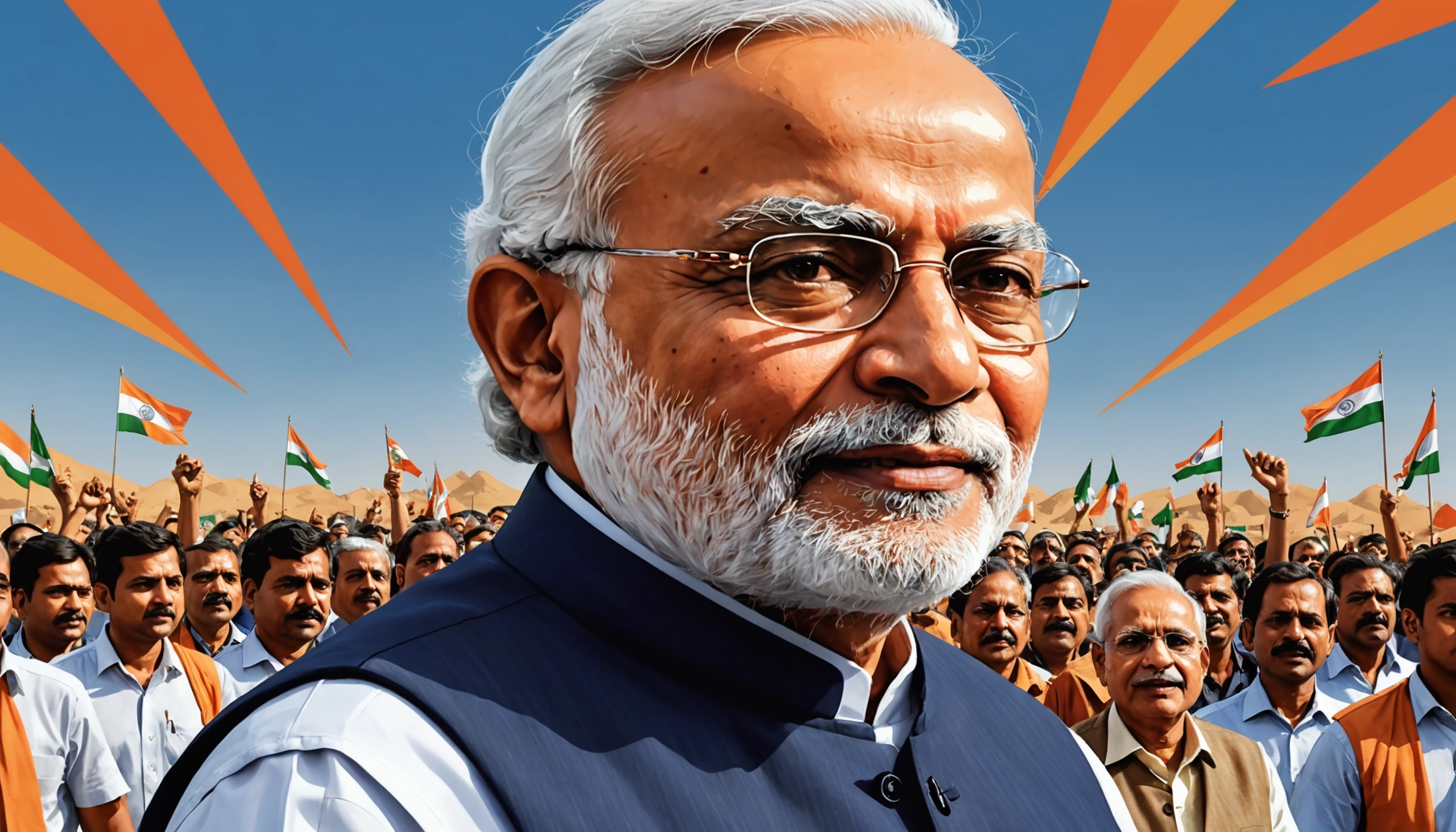
NICOSIA, Cyprus – Prime Minister Narendra Modi concluded a visit to Cyprus Monday, advancing discussions on the India-Middle East-Europe Economic Corridor (IMEC) and signaling a strengthened partnership between India and the European Union member state. The visit, part of a broader diplomatic outreach to European nations, underscored Cyprus's potential role as a key entry point for the IMEC, a strategic trade link connecting India to Europe through the Middle East.
Cyprus as a Gateway to Europe
The IMEC, widely seen as a counter to China's Belt and Road Initiative, aims to deepen commercial integration through a multimodal transport network involving sea and railway links. Cypriot President Nikos Christodoulides emphasized the strategic importance of Cyprus in realizing this vision. "One of the objectives of our discussions is the connection of India with Europe through the region of the wider Middle East, and its entry into Europe through the Republic of Cyprus," Christodoulides told reporters. Modi's visit focused on solidifying this partnership and exploring avenues for enhanced cooperation in trade, investment, infrastructure, and innovation.
Key Outcomes and Agreements
Modi's visit yielded several significant business outcomes, paving the way for closer economic ties. Cyprus is set to integrate with India's Unified Payments Interface (UPI) platform, facilitating seamless cross-border transactions. The National Payments Corporation of India (NPCI) and Eurobank of Cyprus are expected to formalize a memorandum of understanding to introduce UPI services in Cyprus. Additionally, the NSE GIFT City exchange signed an MoU with the Cyprus Stock Exchange, fostering collaboration in financial services. BAO Capital Partners, a Cyprus-based fund, pledged over $100 million for India-focused investments, demonstrating confidence in the Indian market.
A Message to Turkey
The visit has also garnered attention in India as a subtle diplomatic message to Turkey, a regional rival of Cyprus and a close ally of Pakistan. Turkey has openly supported Pakistan in past India-Pakistan tensions, straining relations with New Delhi. Modi's visit to Cyprus, therefore, signals India's support for the island nation's sovereignty and territorial integrity. Modi toured the capital, Nicosia, and visited the UN ceasefire line, also known as the Green Line.
Strengthening Bilateral Ties
Beyond the IMEC, Modi and Christodoulides engaged in wide-ranging discussions covering the full spectrum of India-Cyprus relations. Cooperation in defense, security, technology, healthcare, renewable energy, and climate justice were key areas of focus. The two leaders also explored ways to deepen cultural linkages, with Modi noting the growing popularity of Yoga and Ayurveda in Cyprus. Both sides agreed to work towards finalizing a Mobility Agreement soon. Modi also extended best wishes to Cyprus for its upcoming Presidency of the European Union and welcomed Cyprus's continued support for India's permanent membership in the UN Security Council.
Addressing Global Challenges
The leaders addressed shared concerns over ongoing conflicts in West Asia and Europe, emphasizing the need for dialogue, resolution, and stability. They reiterated a zero-tolerance approach to terrorism, condemning the recent attacks and emphasizing that those responsible should be held accountable. India and Cyprus plan to develop a real-time information exchange mechanism between their agencies to counter terrorism, drug trafficking, and arms smuggling. Both sides expressed readiness to support the conclusion of the EU-India Free Trade Agreement by the end of this year, recognizing its significant economic and strategic potential.
A Partnership Rooted in Shared Values
Modi described the India-Cyprus partnership as one firmly rooted in shared democratic values and the rule of law. He noted that Cyprus's Vision 2035 and India's Viksit Bharat 2047 have much in common, and a roadmap will be created to shape the future of the partnership over the next five years. The visit concluded with an official lunch hosted in Modi's honor at the Presidential Palace, before his departure to Canada for the G7 Summit. The strengthened ties between India and Cyprus, particularly in the context of the IMEC, promise to usher in a new era of connectivity and cooperation between India and Europe, with Cyprus playing a pivotal role.
Related Articles

Ratko Mladić, "Butcher of Bosnia" and Convicted War Criminal, Dies at 84
THE HAGUE, Netherlands – Ratko Mladić, the former Bosnian Serb military commander known as the "Butcher of Bosnia" and convicted of genocide, war crimes, and crimes against humanity, has died at the age of 84. Serbian...

Long-Awaited 9/11 Mastermind Trial Set for 2028, Decades After Attacks
GUANTANAMO BAY, Cuba – Nearly a quarter-century after the devastating terror attacks of September 11, 2001, a military judge has finally set a trial date for Khalid Sheikh Mohammed, the alleged mastermind behind the...