Mounting Tensions in Cyprus as Iran War Casts Light on 'Colonial' UK Bases
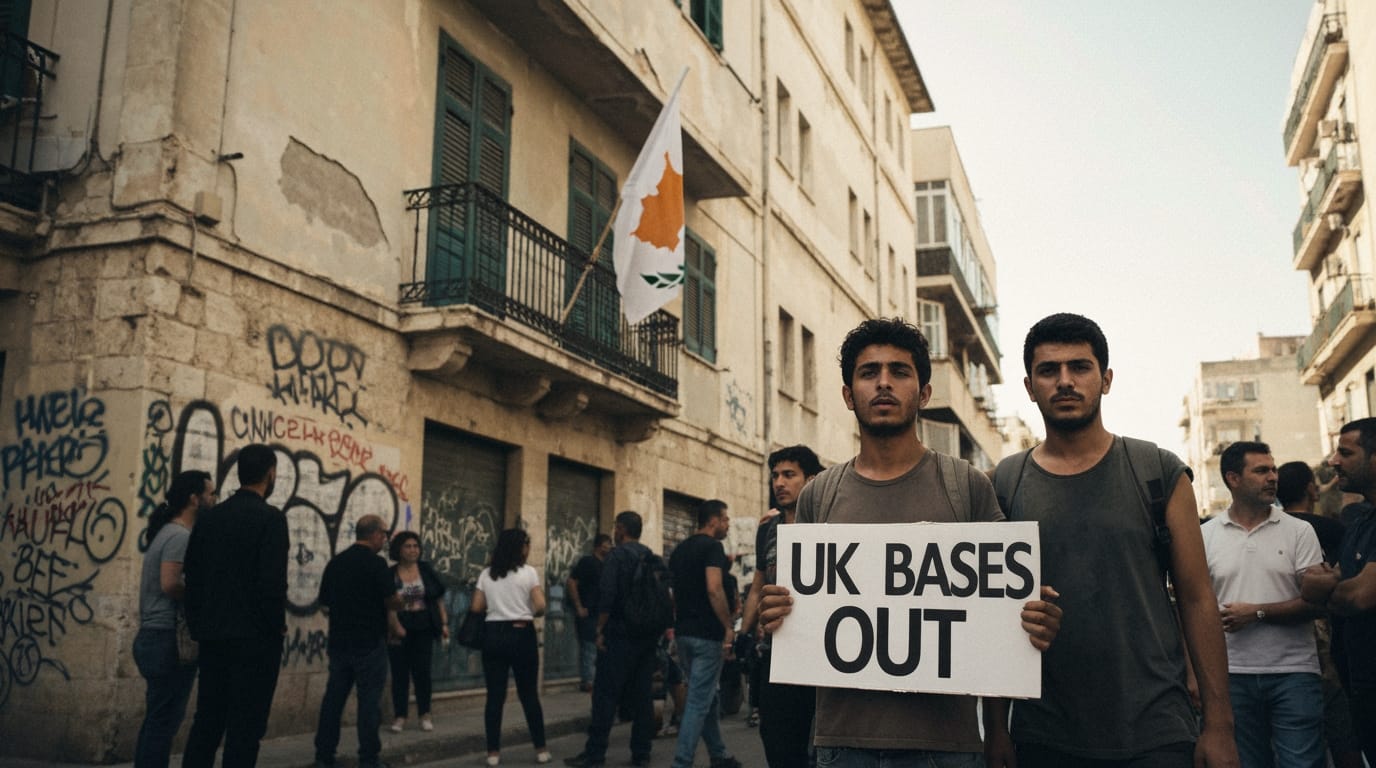
Nicosia, Cyprus – A surge of discontent is gripping Cyprus, ignited by the escalating conflict in the Middle East and the spotlight it has cast on the continued presence of British military bases on the island. Recent events, including a drone strike on a British base, have intensified calls for a reassessment of these Sovereign Base Areas (SBAs), which many Cypriots view as a vestige of colonial rule and a direct threat to the island's security and neutrality in a volatile region. The simmering anger underscores a complex interplay of historical legacy, strategic imperatives, and the evolving geopolitical landscape of the Eastern Mediterranean.
Regional Conflict Ignites Deep-Seated Resentment
The recent escalation of hostilities involving Iran has brought the strategic positioning of the United Kingdom's military assets in Cyprus into sharp focus. On March 2, 2026, RAF Akrotiri, one of the two British Sovereign Base Areas, sustained minor damage from a drone strike, an incident linked to the wider regional conflict. This attack, reportedly the first of its kind on a UK base in Cyprus since 1986, served as a stark reminder to Cypriots of their island's potential vulnerability if these foreign military installations are utilized in broader conflicts. Protests have erupted in cities like Limassol, where demonstrators chanted "British bases out," reflecting a widespread fear that Cyprus could be unwillingly drawn into a war that is not its own. The deployment of additional UK forces, including HMS Dragon and anti-drone capabilities, to bolster the bases' defenses, while intended to protect, has paradoxically heightened anxieties among the local population about their island becoming a theater for international conflict.
The Enduring Legacy of 1960: A "Colonial Consequence"
The roots of the current friction trace back to Cyprus's independence from British rule in 1960. As part of the Treaty of Establishment, the United Kingdom retained full sovereignty over two distinct areas: Akrotiri in the south and Dhekelia in the southeast. These Sovereign Base Areas, covering approximately 3% of the island's territory, effectively remain British soil, administered by the UK Ministry of Defence, not the Foreign and Commonwealth Office, distinguishing them from other overseas territories. Cypriot President Nikos Christodoulides has openly termed these bases a "colonial consequence," a sentiment that resonates with many who see them as an anachronism incompatible with a fully independent nation. The treaty also granted the UK access to 40 "retained sites" across the Republic of Cyprus for military purposes, further complicating the issue of national sovereignty. For many Cypriots, the arrangement is a painful reminder of a past era, where their nation's strategic location was leveraged by an imperial power for its own geopolitical interests, a pattern they fear is re-emerging today.
Divergent Perspectives: Cypriot Concerns Versus UK Strategic Imperatives
The drone attack and the broader regional instability have amplified Cypriot concerns regarding the bases. Beyond the immediate threat of becoming a target in a wider conflict, there are fundamental questions of sovereignty and democratic control. Cypriots living within the SBAs, numbering around 12,000, are citizens for whom the Republic of Cyprus bears responsibility, yet lacks direct administrative authority within these enclaves. Activists argue that the bases serve as "unsinkable launchpads" for UK power projection, pulling the island into operations unrelated to Cypriot security. Conversely, the UK maintains that the bases are critical for regional stability and global security. British Forces Cyprus (BFC) leverages these locations as a vital staging point for military operations, intelligence gathering, and communications monitoring across the Eastern Mediterranean and the Middle East, including Iran. They are described as a "Permanent Joint Operating Base" essential for protecting UK strategic interests in the region. This fundamental divergence in perspective—Cyprus seeking detachment from regional conflicts, and the UK asserting its strategic right to engage from the island—forms the core of the current diplomatic challenge.
Diplomatic Engagement and the Quest for a New Understanding
In response to the heightened tensions, diplomatic efforts have commenced between Nicosia and London. Cypriot President Christodoulides has engaged with UK Prime Minister Keir Starmer, urging a "frank conversation" about the bases' future once the Middle East crisis subsides. Following the drone incident, the UK government has provided assurances, with Prime Minister Starmer explicitly stating that the British bases in Cyprus will not be used for "any offensive military operations" against Iran. While the UK has granted the United States limited access to other UK-controlled facilities for "defensive strikes" against Iranian missile sites, this authorization explicitly excludes the Cyprus bases. The Cypriot government has further underlined its seriousness by seeking legal advice regarding the 1960 Treaty of Establishment. This move signals a potential desire to explore legal avenues for renegotiating aspects of the agreement. The European Council has acknowledged Cyprus's intentions, expressing readiness to assist in any discussions with the United Kingdom, indicating international support for Nicosia's position.
An Unresolved Future for a Strategic Outpost
The recent events have undeniably thrust the issue of the UK's Sovereign Base Areas in Cyprus to the forefront of national and international discourse. While immediate diplomatic reassurances from London have sought to alleviate concerns about direct entanglement in the Iran conflict, they do little to address the deeper, long-standing questions of sovereignty and the "colonial" nature of these military enclaves. The calls for renegotiation and the legal review of the 1960 treaty signal a determined effort by Cyprus to assert greater control over its territory and destiny. The strategic importance of the island to the UK and its allies, coupled with Cyprus's desire for neutrality and self-determination, creates a complex geopolitical puzzle. The path forward will undoubtedly require sensitive negotiations, balancing historical agreements with contemporary realities, as Cyprus seeks to redefine its place in a perpetually tumultuous region.


