Musk Distributes Millions in Wisconsin Court Vote Bid
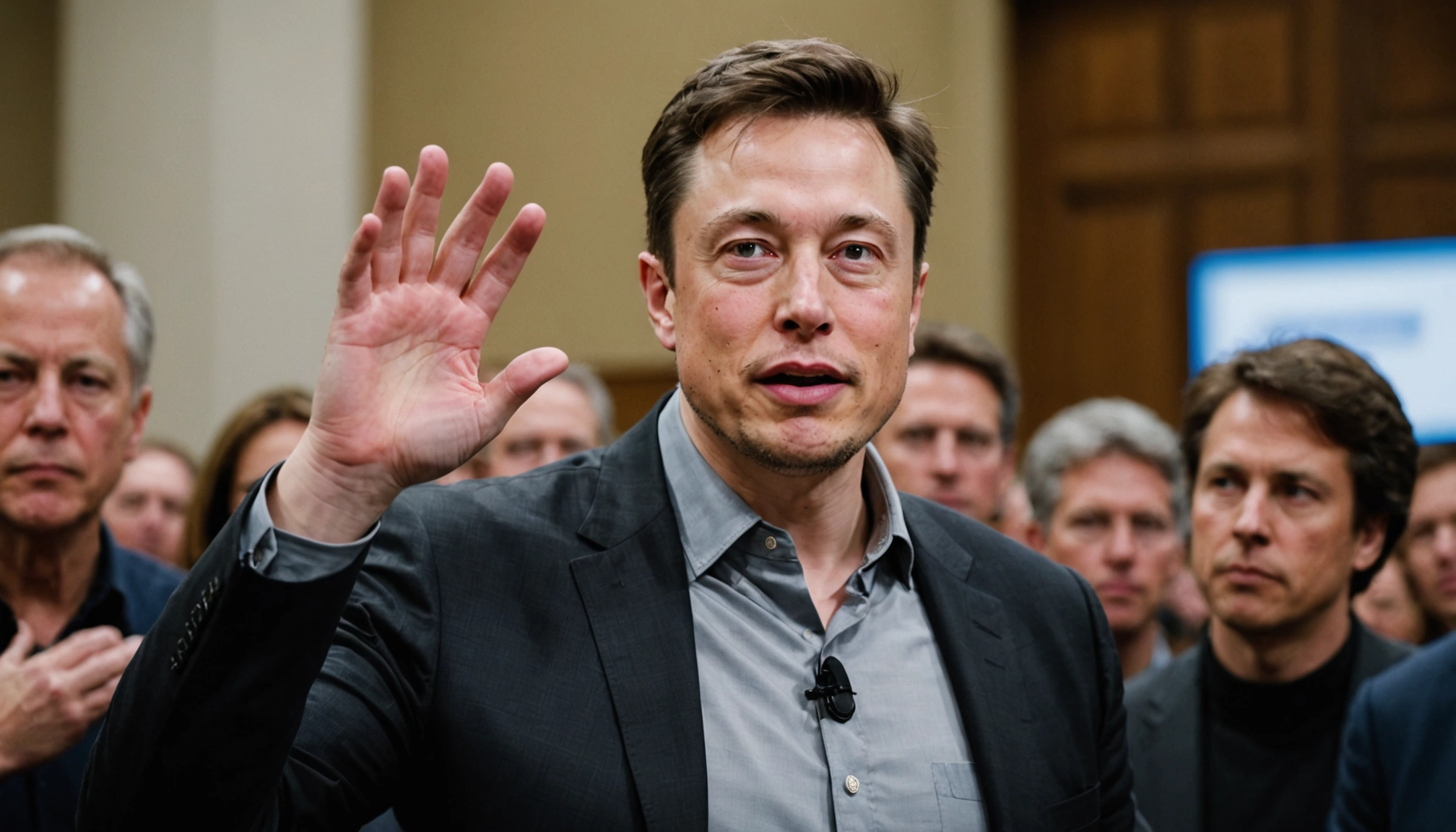
Elon Musk, the billionaire entrepreneur, injected himself into the final days of a hotly contested Wisconsin Supreme Court race, distributing millions of dollars to state voters in a move that has sparked legal challenges and drawn sharp criticism. The high-profile intervention comes as the race between conservative Waukesha County Judge Brad Schimel and liberal Dane County Judge Susan Crawford reaches its climax, with control of the court and potentially the state's political landscape hanging in the balance.
Controversy Over Payments
On Sunday, Musk handed out $1 million checks to two Wisconsin voters, Ekaterina Diesler and Nicholas Jacobs, at a rally in Green Bay. Musk declared them spokespeople for his political group. The payments are intended for those who signed an online petition against "activist" judges. He is also offering $100 to anyone who signs it; he previously gave $1 million to a Green Bay man who signed. This action immediately drew the ire of Wisconsin Attorney General Josh Kaul, who filed a lawsuit arguing that Musk's offer violates state law, which prohibits offering anything of value to induce anyone to vote. Kaul's legal challenge was ultimately rejected by the Wisconsin Supreme Court, which declined to hear the case just minutes before the rally began. Two lower courts had previously rejected the legal challenge.
Stakes of the Election
Musk has framed the Wisconsin Supreme Court race as pivotal, asserting that it could affect the "entire destiny of humanity." He has poured more than $20 million into the race, citing the likelihood that the state high court will take up redistricting issues that could significantly impact the balance of power in the U.S. House of Representatives. Musk argued that a redrawing of the districts by a liberal-leaning court could deprive Wisconsin of two Republican seats, hindering government reforms. The Wisconsin Supreme Court race is expected to rule on abortion rights, congressional redistricting, union power and voting rules that could affect the 2026 midterms and the 2028 presidential election.
Legal and Ethical Questions
The legality of Musk's payments has been hotly debated. Kaul argued that the payments constitute a "blatant attempt" to violate the state's ban on election bribery. Musk's political action committee used a similar tactic before the presidential election last year, offering to pay $1 million a day to voters in Wisconsin and six other battleground states who signed a petition supporting the First and Second Amendments. A judge in Pennsylvania said prosecutors failed to show the effort was an illegal lottery and allowed it to continue through Election Day. Critics have decried the payments as a form of corruption, while supporters argue that they are a legitimate exercise of free speech and a means of drawing attention to the importance of the election. Musk's lawyers argued that Kaul's lawsuit is aimed at restraining Musk's political speech and curtailing his First Amendment rights.
Broader Implications
Musk's intervention in the Wisconsin Supreme Court race underscores the growing influence of wealthy individuals and political action committees in judicial elections. The race has already broken spending records, with more than $81 million spent so far, obliterating the previous record for a judicial race in the U.S. The outcome of the election could have far-reaching consequences for the state's political landscape, particularly regarding issues such as redistricting, voting rights, and abortion access.
A Divided Electorate
The controversy surrounding Musk's payments has further polarized an already divided electorate. Protests erupted outside the Green Bay convention center where Musk held his rally, with demonstrators decrying his spending and his efforts to influence the election. Supporters, on the other hand, have praised Musk for his willingness to invest in the race and for bringing attention to what they see as critical issues facing the state. Ron Johnson said "we have to thank Elon" if Brad Schimel wins Wisconsin Supreme Court race. Democrats have launched a 'People v Musk' ad campaign in Wisconsin Supreme Court race.
As Wisconsin voters head to the polls, the impact of Musk's intervention remains to be seen. The election is not only a referendum on the two candidates but also on the role of money and outside influence in judicial races. The outcome will likely have significant implications for the future of Wisconsin's courts and its political direction.
Related Articles

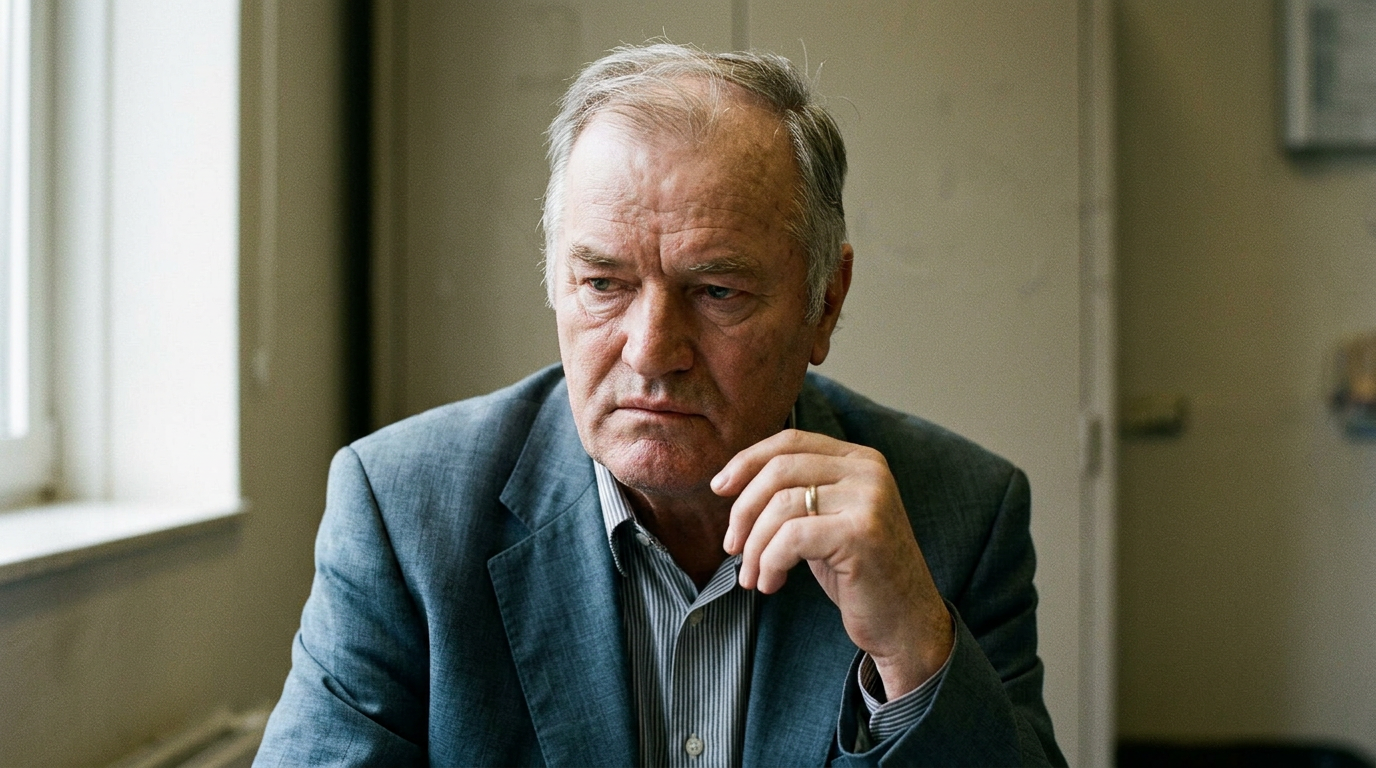
Ratko Mladić, "Butcher of Bosnia" and Convicted War Criminal, Dies at 84
THE HAGUE, Netherlands – Ratko Mladić, the former Bosnian Serb military commander known as the "Butcher of Bosnia" and convicted of genocide, war crimes, and crimes against humanity, has died at the age of 84. Serbian...

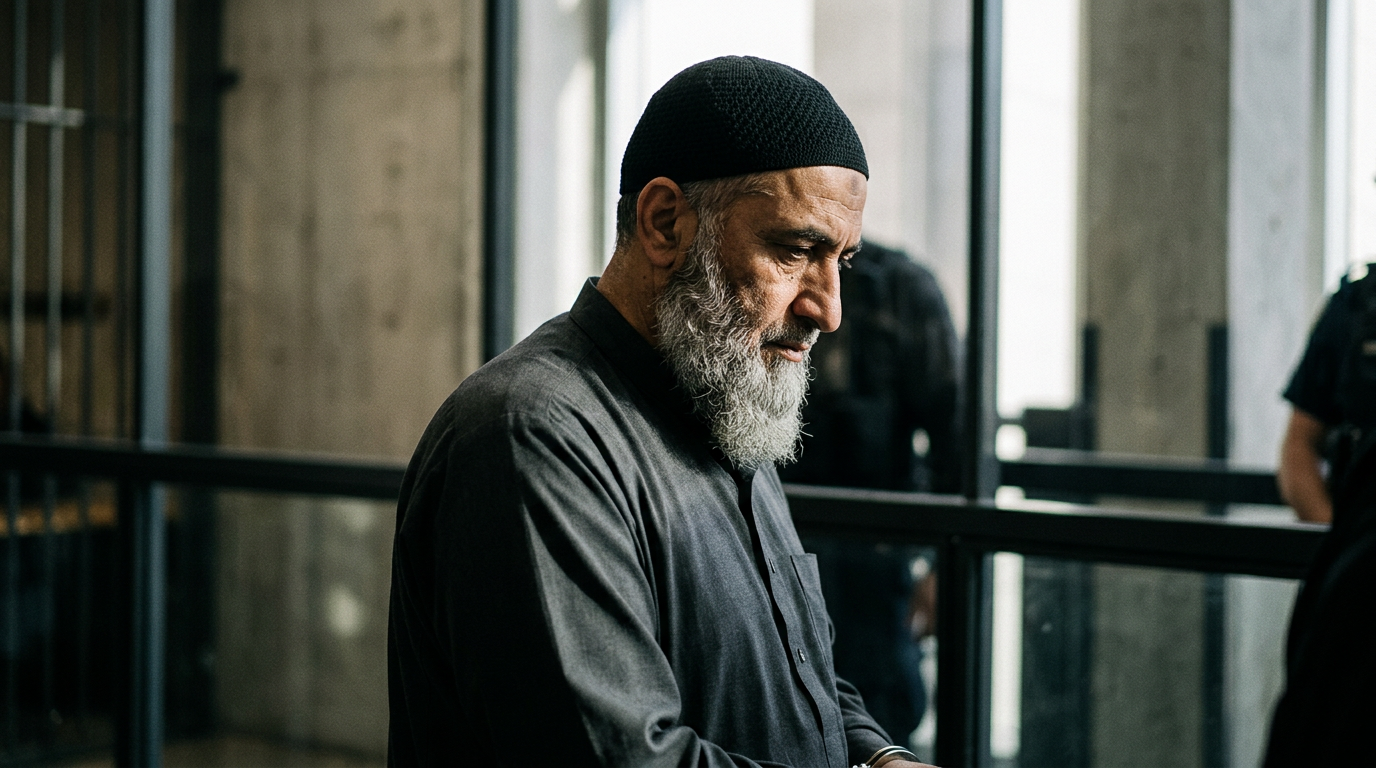
Long-Awaited 9/11 Mastermind Trial Set for 2028, Decades After Attacks
GUANTANAMO BAY, Cuba – Nearly a quarter-century after the devastating terror attacks of September 11, 2001, a military judge has finally set a trial date for Khalid Sheikh Mohammed, the alleged mastermind behind the...