Musk's Role in Trump Administration Faces Uncertain Future
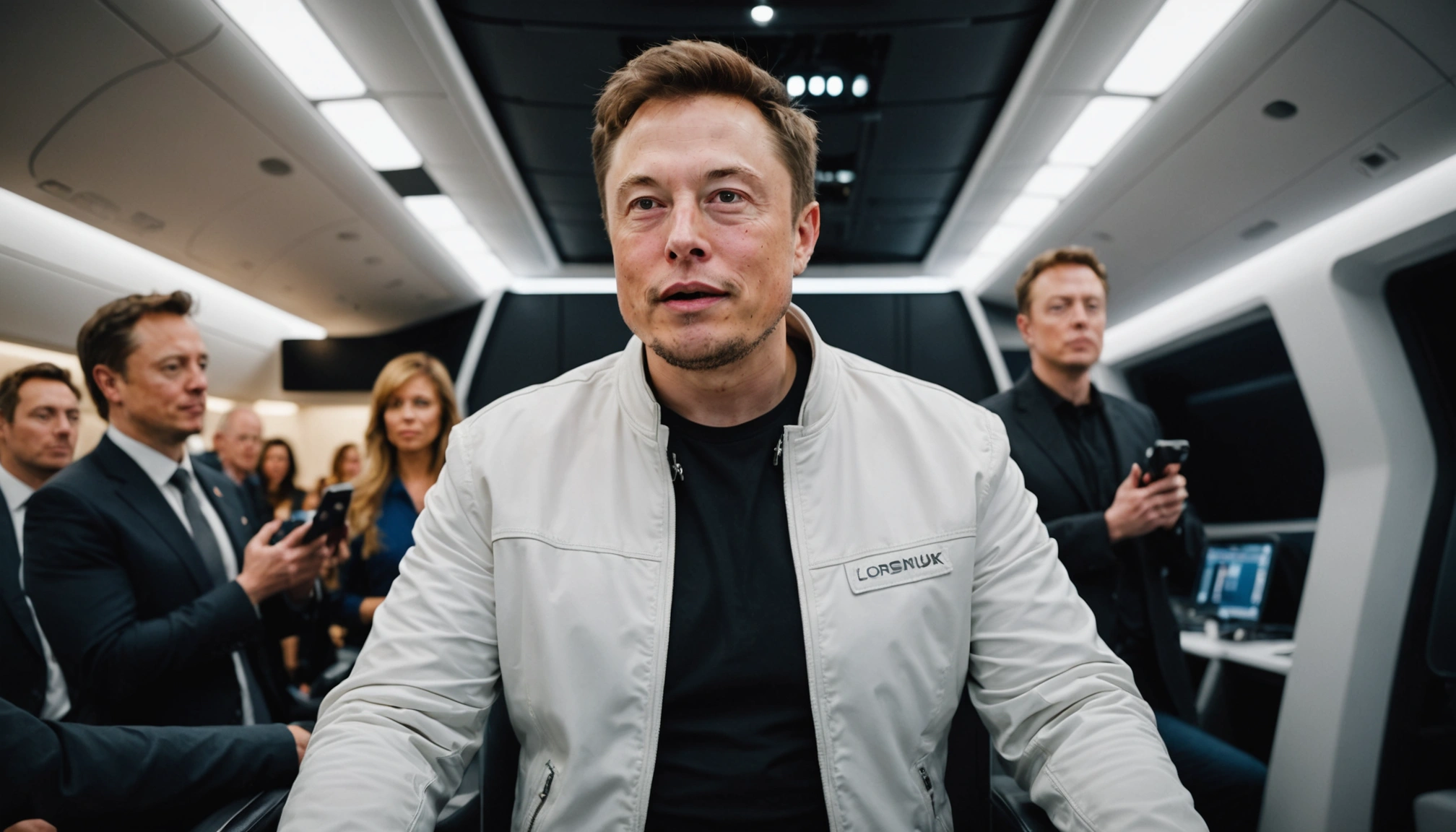
Elon Musk's foray into the Trump administration as a key advisor and head of the Department of Government Efficiency (DOGE) may be drawing to a close, raising questions about the future of the department and Musk's relationship with the president. While Trump has publicly expressed his desire for Musk to remain in his administration, the billionaire's limited time as a "special government employee" and reported internal frustrations suggest a potential shift in the dynamic.
DOGE's Mission and Musk's Role
The Department of Government Efficiency, or DOGE, was established with the ambitious goal of streamlining government operations and cutting wasteful spending. Musk, known for his disruptive approach in the tech industry, was brought in to spearhead this effort. He and his allies were tasked with identifying and eliminating unnecessary contracts, accessing sensitive data, and pushing for overall cost reductions across various government agencies.
Vice President JD Vance has publicly supported Musk's work, highlighting the uncovering of fraudulent or wasteful grants. Vance stated that Musk was told that the administration needed him to cut government and make it more efficient, a task Musk was told would take about six months.
However, the exact scope and impact of DOGE's achievements remain a subject of debate. While Musk initially aimed to cut the deficit by a trillion dollars, reports indicate that DOGE is far from reaching that target, and its calculations have faced criticism for being inflated and inaccurate.
Trump's Shifting Stance
President Trump's public statements regarding Musk's future in the administration have been somewhat inconsistent. While he has repeatedly praised Musk as "fantastic" and a "patriot," he has also acknowledged the limitations of Musk's role.
Trump has stated that Musk can stay "as long as he'd like" and has even suggested potentially appointing him to another post. However, he has also noted that Musk has "a number of companies to run" and that "at some point Elon's gotta have to leave."
These comments suggest a recognition of the inherent constraints of Musk's involvement, given his existing business commitments and the temporary nature of his government appointment.
Internal Friction and Political Considerations
Beyond the public pronouncements, reports have emerged of internal friction and growing concerns about Musk's "unpredictability" and potential to be a "political liability." These concerns may stem from Musk's controversial public statements and his involvement in politically charged issues.
Musk's recent setback in Wisconsin, where his preferred candidate for a state Supreme Court seat was defeated despite significant financial support, may have further fueled these concerns. Some believe that Musk's lagging poll numbers compared to Trump's were exploited by Democrats in the Wisconsin election.
The Road Ahead for DOGE
With Musk's potential departure on the horizon, the future of DOGE remains uncertain. While Trump has suggested that Cabinet officials have learned from their collaboration with Musk and may continue some of DOGE's initiatives, the long-term viability of the department is in question.
Some DOGE employees have already been reassigned to various federal agencies, signaling a potential shift in focus towards integrating cost-cutting measures into existing government structures. Government-wide layoffs are also underway as part of the broader effort to achieve the goals set out by Musk and Trump.
Musk's Enduring Influence
Regardless of his formal role in the administration, Musk is likely to remain an influential figure in Trump's orbit. Vice President Vance has stated that Musk will continue to be a "friend and an adviser" to both him and the president.
Musk's expertise in technology and innovation, as well as his unconventional approach to problem-solving, may continue to be valued by the administration. His potential departure from DOGE may simply mark a transition to a less formal advisory role, allowing him to contribute to the administration's goals without the constraints of a full-time government position.
In conclusion, while Elon Musk's tenure as head of DOGE may be coming to an end, his relationship with President Trump and his influence on the administration's policies are likely to endure. The future of DOGE remains uncertain, but the cost-cutting measures and efficiency initiatives it championed may continue to shape government operations in the years to come.
Related Articles


Mounting Frustration Grips Russia as Economic Hardship and War's Toll Deepen
Moscow, Russia – A palpable shift in public sentiment is emerging across Russia, with growing frustration among citizens fueled by a confluence of economic pressures, increasing internet restrictions, and the undeniable...

Germany's Strategic Calculus: Ukraine Aid is an Investment in European Security, Not Charity
Berlin – The ongoing provision of substantial aid to Ukraine by Germany and its allies is increasingly being framed not as an act of altruism, but as a crucial investment in European security and stability. This...