Nationwide Fury Erupts: Hundreds of Rallies Planned After Deadly ICE Shootings
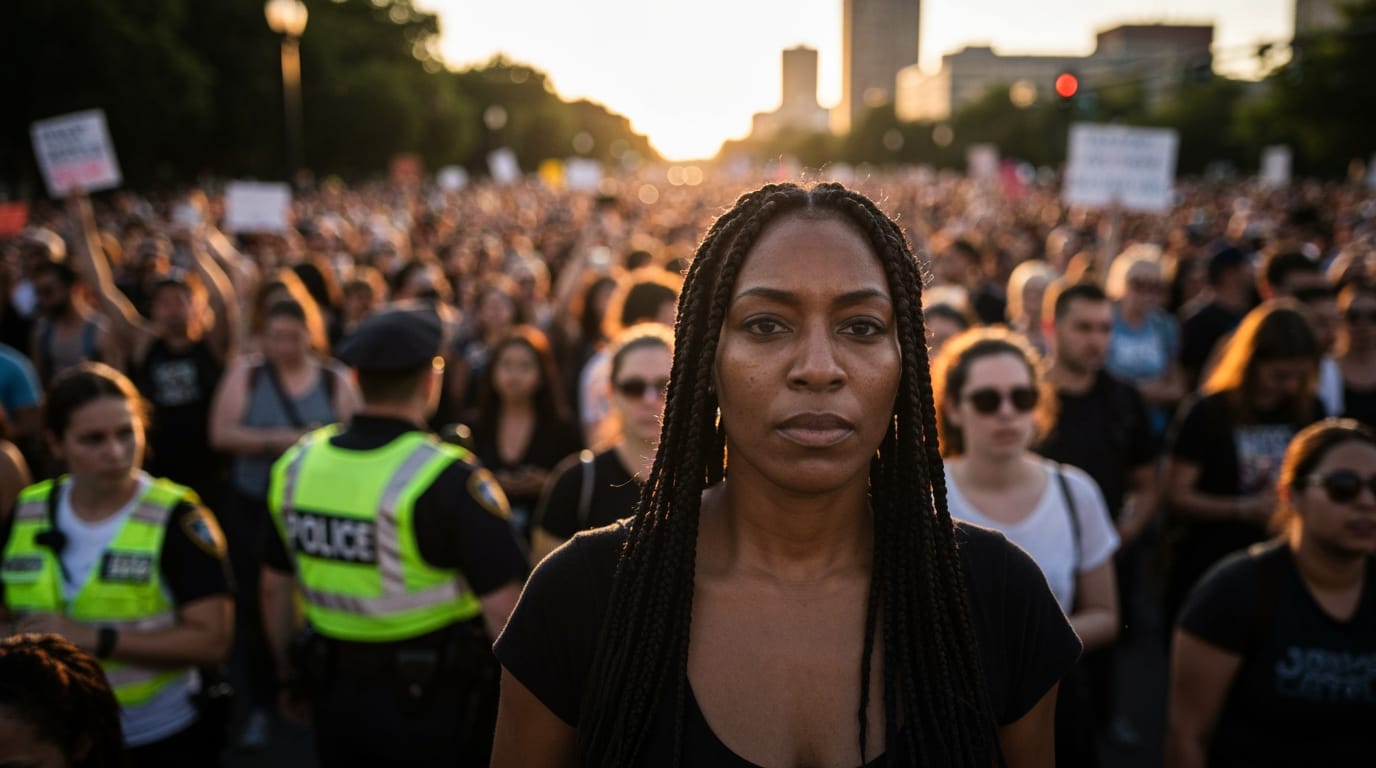
Across the United States, a wave of public outrage is culminating this weekend in an unprecedented series of protests, with hundreds to potentially over a thousand rallies expected to challenge the escalating tactics of Immigration and Customs Enforcement (ICE). The widespread demonstrations follow two recent deadly incidents involving federal agents: the fatal shooting of a Minneapolis mother by an ICE officer and the wounding of two individuals by Border Patrol in Portland, Oregon. These events have ignited a national conversation about the agency's use of force and broader immigration enforcement policies, drawing condemnation from local officials and galvanizing immigrant rights advocates and civil liberties organizations.
A Nation Erupts: Tragic Incidents Spark Widespread Outrage
The immediate catalyst for the nationwide protests was the fatal shooting of Renee Good, a 37-year-old mother of three and U.S. citizen, by an ICE agent in Minneapolis on January 7, 2026. Good was reportedly shot while driving past an ICE operation after dropping her six-year-old child at school. Federal officials, including Vice President JD Vance and Department of Homeland Security (DHS) Secretary Kristi Noem, have stated the officer acted in self-defense, claiming Good attempted to "weaponize her vehicle" to attack agents. However, this account has been disputed by local leaders, including Minneapolis Mayor Jacob Frey, and contradicted by bystander videos and subsequent analyses, which suggest Good's vehicle was turning away from the officer when he fired. Legal experts are now questioning the tactical decisions made by the agent, particularly concerning protocols for engaging with moving vehicles.
Just one day later, on January 8, 2026, tensions further escalated when Border Patrol agents in Portland, Oregon, shot and wounded Yorlenys Betzabeth Zambrano-Contreras and Luis David Nico Moncada, a married couple and Venezuelan immigrants, during a vehicle stop outside a hospital. These incidents are not isolated, with previous federal enforcement shootings in Chicago involving Silverio Villegas González in September and Marimar Martinez in October also contributing to a growing pattern of concern regarding federal agents' use of force.
The Call to Action: "ICE Out for Good" Mobilizes Communities
In response to these events, a broad coalition of advocacy groups has called for an unprecedented "Weekend of Action," with rallies and vigils spanning the nation on Saturday and Sunday, January 10-11. Organizations such as Indivisible, the American Civil Liberties Union (ACLU), the National Day Laborer Organizing Network, 50501, and NorCal Resist are at the forefront of this mobilization. The movement, frequently using the banner "ICE Out for Good," aims to honor the lives lost, demand accountability and transparency for the shootings, and call for an end to what organizers describe as unchecked ICE violence within communities. Leah Greenberg, co-executive director of Indivisible, stated that the weekend's actions are meant "not just to mourn the lives lost to ICE violence, but to confront a pattern of harm that has torn families apart and terrorized our communities."
Protests are taking place in a vast array of locations, from major metropolitan centers like Minneapolis, Portland, New York, Oakland, and Kansas City, to smaller communities such as Durham, North Carolina; Alamogordo, New Mexico; and Augusta and Bath, Maine. Event organizers have confirmed plans for demonstrations in every state, underscoring the widespread nature of the concern. Activists are not only calling for immediate investigations into the recent shootings but also demanding that ICE operations cease in their localities, reflecting a broader movement to re-evaluate the agency's presence and methods.
Decades of Intensified Enforcement and Growing Tensions
The current wave of protests is set against a backdrop of significantly intensified immigration enforcement under the Trump administration, which began its second term in January 2025. Following executive orders mandating large-scale apprehensions, detentions, and deportations, ICE rescinded long-standing enforcement priorities. This shift has led to indiscriminate arrests of immigrants in various settings, including streets, workplaces, and near schools, places of worship, medical clinics, and courts. The newly enacted federal legislation, H.R. 1, also known as the "One Big Beautiful Bill Act," has provided unprecedented funding to ICE, enabling it to scale up arrests, detentions, and deportations to record levels.
This aggressive enforcement has generated a climate of fear within immigrant communities, leading to concerns about due process and allegations of racial profiling, with federal courts having previously noted instances of the agency targeting "Hispanic looking" individuals. Reports indicate a significant increase in deaths within ICE detention facilities, with 32 fatalities recorded in 2025 alone. The administration's policies have also faced criticism for eroding the traditional separation of powers by involving state and local law enforcement, the National Guard, and the military in immigration operations. These actions have fueled a historical pattern of protests against ICE, which has seen previous major mobilizations in 2018 and 2025, with some activists advocating for the agency's complete abolition.
Conflicting Accounts and Official Responses
The Trump administration has consistently defended the actions of its federal agents, maintaining that the recent shootings were acts of self-defense against individuals who allegedly "weaponized" their vehicles to threaten officers. However, these claims have been met with skepticism and outright contradiction from local authorities. Minneapolis Mayor Jacob Frey and Minnesota's governor have publicly disputed the federal narrative surrounding Renee Good's death, suggesting potential federal obstruction in the ongoing FBI-led investigation. Similarly, Portland Mayor Keith Wilson has called for a halt to ICE operations in his city until a full and independent investigation into the recent shooting can be completed.
The incidents have also brought renewed scrutiny to ICE's use-of-force policies, particularly regarding firearms discharge at moving vehicles. While many U.S. police departments discourage this tactic due to the high risk of collateral damage and its often deadly outcomes, critics argue that ICE's policies are either less stringent or inconsistently applied. This divergence in practice has prompted questions about whether federal law enforcement adheres to the same safety standards as local agencies.
The controversy has quickly reached Capitol Hill, where Congressional Democrats, and some Republicans, are demanding a robust response. Lawmakers are calling for comprehensive investigations into the shootings, significant policy changes to ICE's operational conduct, and even the defunding of certain ICE operations. Illinois Democratic Congresswoman Robin Kelly has announced her intention to introduce articles of impeachment against DHS Secretary Kristi Noem, citing the "reign of terror" and escalating violence under her direction.
A Pivotal Moment for Immigration Enforcement
The confluence of recent fatal encounters and intensified enforcement actions has propelled the debate over U.S. immigration policy to a critical juncture. The widespread public response, marked by thousands of citizens taking to the streets across the nation, underscores deep-seated concerns about human rights, accountability, and the role of federal agencies in local communities. These protests highlight a growing demand for transparency and reform, placing immense pressure on both the Trump administration and Congress to address the contentious issues surrounding immigration enforcement. As investigations proceed and legislative debates intensify, the outcome of this pivotal moment could significantly reshape the future of ICE and its operations, potentially leading to lasting changes in how the nation approaches immigration and civil liberties.


