Nauru Poised to Reclaim Indigenous Name, Severing Colonial Ties
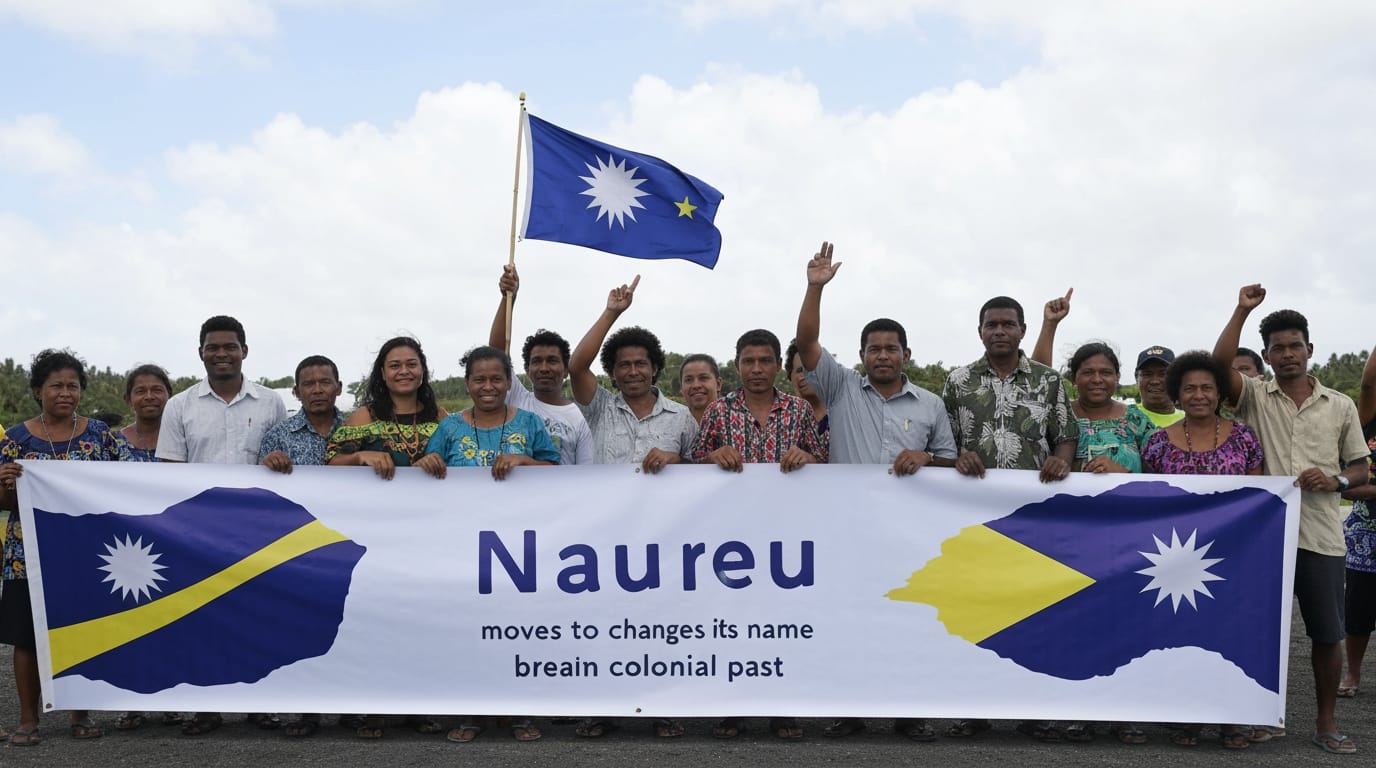
YAREN, Nauru – The Republic of Nauru, a small island nation in the Micronesian Pacific, is on the cusp of a profound historical shift as its government advances a constitutional amendment to formally change the country's name to "Naoero." This initiative, spearheaded by President David Adeang, aims to restore the nation's millennia-old, pre-colonial identity and decisively break from a colonial past that saw its original name altered for the convenience of foreign powers. The proposed change reflects a broader global movement among nations seeking to embrace and assert their indigenous heritage on the international stage.
A Return to Roots: The Drive for "Naoero"
The proposed constitutional amendment, officially titled the Constitution (Amendment) (No.2) Act 2026, was tabled in Parliament on January 29, 2026, marking a significant step towards reclaiming Nauru's cultural narrative. President Adeang has articulated that the existing name, "Nauru," originated from a mispronunciation by non-native speakers, a change "not by our choice, but for convenience." By reverting to "Naoero," the government seeks to honor its Indigenous language, enhance cultural recognition, and foster a deeper sense of pride and identity among its people. The name "Naoero" is already officially listed as "Repubrikin Naoero" in the Austronesian language of Nauruan, and its historic form, Anáoero, translates evocatively to "I go to the beach," underscoring the islanders' intimate connection to their maritime environment.
Echoes of a Colonial Past
Nauru's journey through history is marked by various name changes imposed by external forces. For instance, during three decades of German rule prior to 1914, the island was known as "Pleasant Island." Following World War I, Nauru became a League of Nations mandate, and later a United Nations trusteeship administered by Australia, New Zealand, and the United Kingdom, before gaining full independence in 1968. It was after independence that the name "Nauru" gained international recognition, a denomination now seen by the government as a lingering vestige of colonial influence. The current move is not merely a linguistic adjustment but a symbolic act of decolonization, allowing Nauru to assert its sovereign identity free from historical impositions. The island, settled approximately 3,000 years ago by Micronesian and Polynesian peoples, holds a rich cultural tapestry that the name change aims to highlight.
The Path to a New Identity: Legislative and Public Endorsement
The legislative process for this transformative change is clearly outlined. After being tabled, the constitutional amendment bill is currently undergoing a mandatory 90-day review period, as stipulated by Nauruan law. Following this period, it is slated to return to Parliament for a second reading and debate in May 2026. For the amendment to proceed, it must secure a two-thirds majority vote from the country's 19 Members of Parliament. Should it pass this parliamentary hurdle, the ultimate decision will rest with the Nauruan populace through a national referendum. Approximately 8,400 adult voters out of the nation's nearly 12,000 residents will have the opportunity to cast their ballots and shape the country's future nomenclature. The government has indicated that a referendum date will be set promptly upon parliamentary approval.
Far-Reaching Implications and a Global Trend
The implications of adopting "Naoero" extend beyond a simple name alteration. President Adeang's proposal encompasses a comprehensive rebranding that would see the name reflected across all national symbols and institutions. This includes the renaming of the national air carrier, Nauru Airlines, and the country's ships. Furthermore, Nauru's official identity would be updated regionally and internationally, including at prominent global forums such as the United Nations, alongside adjustments to national records and symbols.
Nauru's decision aligns with a growing international trend of nations reverting to indigenous or culturally significant names. The Nauruan government has cited examples such as Eswatini (formerly Swaziland) and Türkiye (formerly Turkey), along with the Federated States of Micronesia's island group of Chuuk (formerly Truk), as precedents for countries returning to their etymological origins. This collective movement underscores a global recognition of the importance of national names in accurately representing cultural heritage and sovereignty. For Nauru, one of the world's smallest republics and the third-smallest state after Vatican City and Monaco, this change is particularly significant as it reasserts its unique identity on a global stage where it is often defined by its physical size.
Conclusion: Forging a Path of Self-Determination
The impending name change from "Nauru" to "Naoero" represents a pivotal moment in the nation's history. It is a deliberate and conscious act of self-determination, designed to rectify historical inaccuracies and foreground the rich indigenous culture that has persisted despite centuries of external influence. By restoring its ancestral name, Nauru is not merely altering a label; it is reinforcing its national narrative, celebrating its linguistic heritage, and solidifying a future built on a foundation of authentic identity and cultural pride. This move promises to resonate deeply within the Nauruan community, offering a powerful symbol of their enduring connection to their land, sea, and traditions, and presenting a revitalized image to the global community.


