Netanyahu Likens Hamas to Nazis at Holocaust Remembrance Ceremony
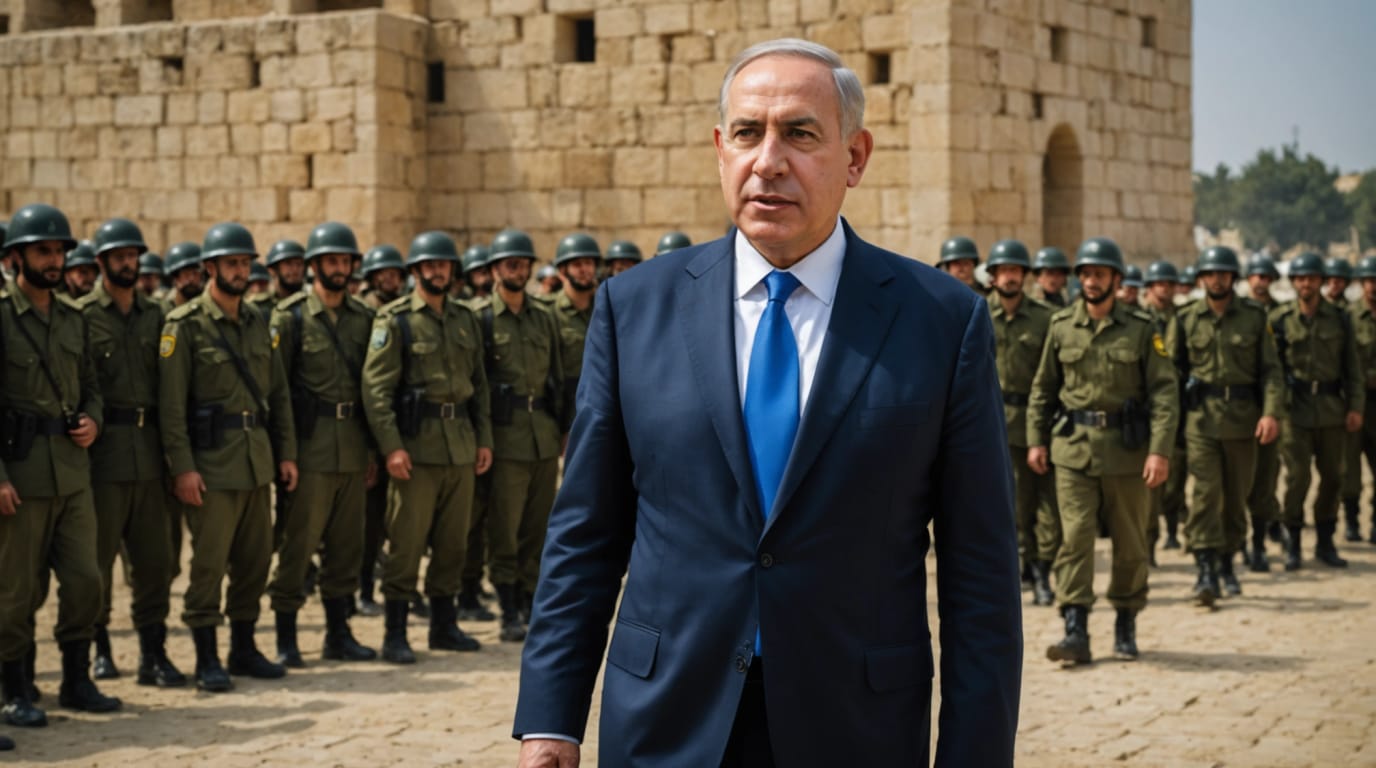
JERUSALEM, April 24 – Prime Minister Benjamin Netanyahu, speaking at the annual Holocaust Remembrance Day ceremony at Yad Vashem, Israel's official memorial to the victims of the Holocaust, equated the Hamas terror group to the Nazis, sparking both support and criticism amid the ongoing conflict in Gaza. The remarks, delivered Wednesday evening, came as Israel marked Yom HaShoah, a day of national mourning for the six million Jews murdered during World War II.
Netanyahu's comparison drew immediate reactions, highlighting the deep divisions within Israel and abroad regarding the war in Gaza and the appropriateness of invoking Holocaust imagery in the context of the Israeli-Palestinian conflict. While supporters defended the Prime Minister's words as a necessary condemnation of Hamas's brutality, critics argued that such comparisons diminish the unique horror of the Holocaust and risk fueling further polarization.
'Exactly Like the Nazis'
During his address at Yad Vashem, Netanyahu stated, "Indeed, they are exactly like the Nazis, just like Hitler." He asserted that Hamas seeks "to kill and destroy all of the Jews" and "openly declare their intention to destroy the state of the Jews." He vowed that Israel would "annihilate the monsters of Hamas," whom he described as having committed "the worst massacre that we've experienced since the Holocaust," referring to the October 7th attacks.
Netanyahu stressed Israel's determination to defend itself, stating, "If we need to stand alone, we shall stand alone." He added that military pressure on Hamas would continue until its capabilities are destroyed, all hostages are returned, and the group is defeated. He also reiterated his commitment to preventing Iran from obtaining nuclear weapons, calling the regime in Tehran "an existential threat" to Israel and "the destiny of all humanity."
Holocaust Remembrance Amidst Conflict
The Holocaust Remembrance Day ceremony took place against the backdrop of the ongoing war in Gaza, triggered by Hamas's October 7th attack on southern Israel. The attack resulted in the deaths of approximately 1,200 people and the abduction of more than 250 hostages. Israel's subsequent military response in Gaza has resulted in a large number of Palestinian casualties and a humanitarian crisis, according to international reports.
The juxtaposition of Holocaust remembrance with the current conflict has amplified existing tensions and raised complex questions about historical memory, national identity, and the ethics of warfare. Some Israelis view the fight against Hamas as a continuation of the struggle for Jewish survival, while others caution against drawing parallels between the Holocaust and the Israeli-Palestinian conflict.
Calls for Unity and Reflection
Prior to Netanyahu's address, President Isaac Herzog spoke at the ceremony, calling for national unity amid ongoing internal tensions in Israel. He acknowledged the pain and shock caused by the October 7th attacks, stating, "The voice of our brothers' blood cries from the earth – and we must bring them back. Now."
Other voices within Israel have also emphasized the importance of upholding moral principles and recognizing the suffering of all people. Amir Kochavi, the mayor of Hod Hasharon, stated that "Jewish morality dictates 'never again' not only to us, but to all peoples as a moral and ethical imperative of a just and healthy society." He cautioned against the "lust for revenge, blood and destruction," arguing that it would not lead to the return of the hostages held in Gaza.
International Reactions and Implications
Netanyahu's comparison of Hamas to the Nazis has drawn varied reactions from the international community. Some have expressed support for Israel's right to defend itself against terrorism, while others have criticized the Prime Minister's rhetoric as inflammatory and unhelpful in the pursuit of peace.
The use of Holocaust imagery in the context of the Israeli-Palestinian conflict is a sensitive issue, with many arguing that it risks trivializing the unique nature of the Holocaust and undermining efforts to promote understanding and reconciliation. Critics also point out that such comparisons can be used to delegitimize Palestinian grievances and justify disproportionate uses of force.
A Nation Pauses to Remember
On Thursday, Israel came to a standstill as sirens wailed across the country at 10:00 a.m. local time, marking a two-minute moment of silence in memory of the six million Jews murdered in the Holocaust. The annual ritual serves as a powerful reminder of the horrors of the past and the importance of preventing future atrocities.
As the country paused to remember, many Israelis reflected on the lessons of the Holocaust and their relevance to the challenges facing the nation today. The ongoing conflict in Gaza, the rise of antisemitism around the world, and the internal divisions within Israeli society have all contributed to a sense of uncertainty and anxiety about the future.
Looking Ahead
Netanyahu's remarks at the Holocaust Remembrance Day ceremony underscore the deep-seated fears and anxieties that shape Israeli perceptions of the conflict with Hamas. While his supporters see the comparison as a necessary wake-up call to the dangers facing Israel, critics worry that it will further inflame tensions and undermine the prospects for peace.
As Israel continues to grapple with the legacy of the Holocaust and the challenges of the present, the need for thoughtful dialogue, empathy, and a commitment to universal moral principles remains paramount. The path forward will require a willingness to confront difficult truths, acknowledge the suffering of all people, and work towards a future where "never again" truly means never again for anyone.