New Mariupol Theater Reopens Under Russian Authority, Echoes of Devastation Linger
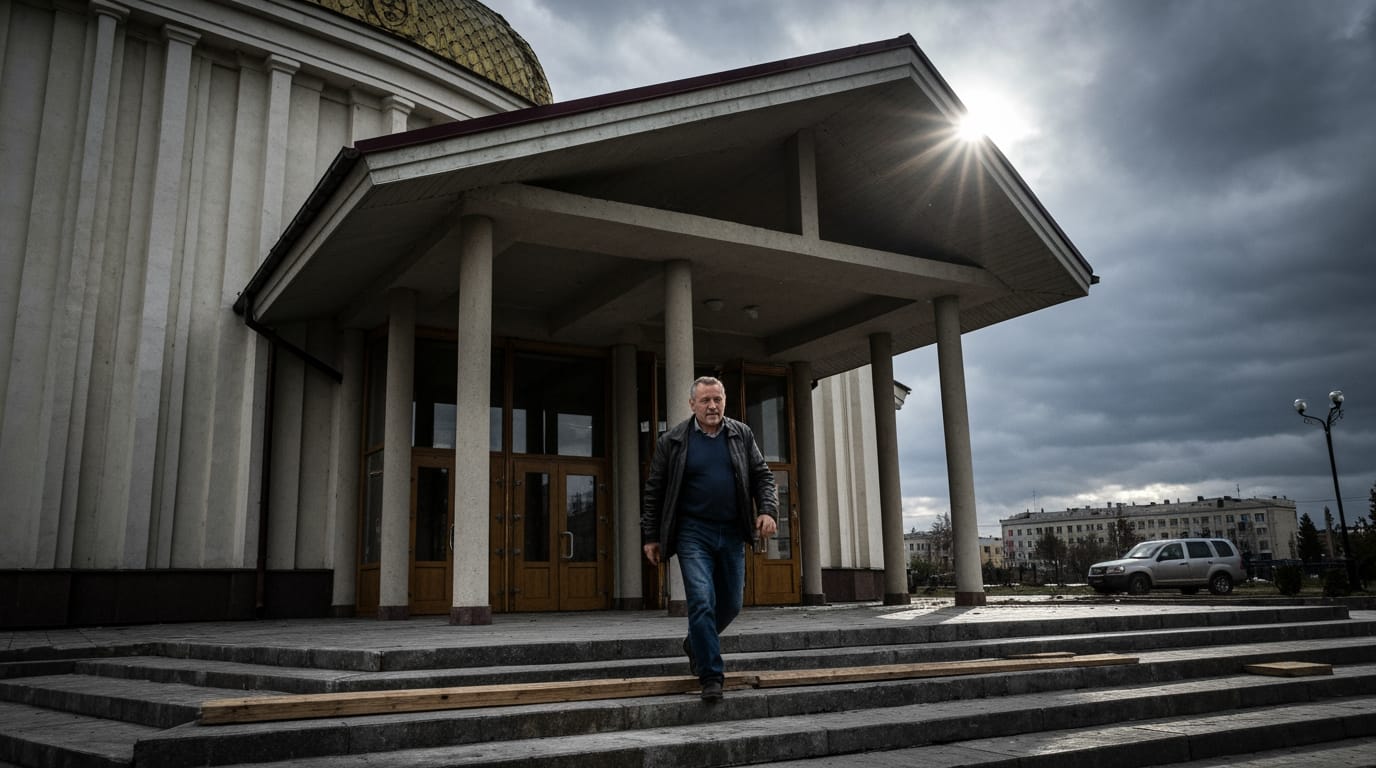
MARIUPOL — More than three years after a devastating airstrike destroyed its predecessor, a newly constructed theater in the Russian-occupied city of Mariupol has officially opened its doors, a move met with celebration by Moscow-installed authorities and profound condemnation by Ukraine. The reopening of the Donetsk Academic Regional Drama Theater on Sunday, December 28, 2025, marked a potent symbol of what Russian officials tout as the city's revival, yet for many, it stands as a stark reminder of the immense human cost and cultural imposition following the 2022 siege. The original theater, a cherished cultural landmark, became a refuge for hundreds of civilians before its destruction, an event international bodies have classified as a war crime.
A New Stage Rises Amidst Rubble
The inaugural gala concert held at the reconstructed theater showcased a venue adorned with rebuilt marble pillars, grand staircases, and a prominent 2.5-ton crystal chandelier, as depicted in images circulated by Russian state media. Dignitaries present included Denis Pushilin, the Moscow-backed leader of the Donetsk region, and St. Petersburg Governor Alexander Beglov, whose city played a significant role in the reconstruction efforts. Russian authorities have framed the project as a restoration of the theater's "historic image" combined with modern upgrades, asserting that the institution, like the entire city of Mariupol, is "reborn." Vladimir Mashkov, a prominent Russian actor and head of the Russian Union of Theatre Workers, proclaimed, "This is our statement to the world — Russian culture cannot be killed." The theater has also been officially renamed the Mariupol Republican Order of the Badge of Honour Russian Drama Theatre. While the exterior reportedly imitates the original, some Ukrainian sources note that the facade, once faced with white Crimean stone, is now painted brick, suggesting a superficial reconstruction. Reports also indicate that certain sections, such as dressing rooms and technical areas, may not yet be fully completed, with some planned performances reportedly relocated to a different venue, the philharmonic hall.
The Shadow of the Past: March 16, 2022
The celebratory opening stands in stark contrast to the tragic events of March 16, 2022, when the original Mariupol Drama Theater was struck during the intense Russian siege of the city. The theater had served as the city's largest civilian shelter, housing between 500 and 1,200 people, primarily women and children, seeking refuge from relentless shelling. The word "CHILDREN" had been painted in large letters on the ground outside the building, clearly visible from the air, in an attempt to identify it as a civilian shelter and deter attacks. Despite this clear demarcation, the building was hit by what independent investigations, including one by Amnesty International, concluded were Russian airstrikes, classifying the incident as a war crime. Estimates of the casualties vary, with an Associated Press investigation finding evidence that approximately 600 people died inside and outside the building, significantly higher than initial reports. Russia has consistently denied responsibility for the attack, instead claiming Ukrainian forces were to blame, a narrative refuted by multiple independent inquiries. Following its capture of Mariupol, Russian forces bulldozed the remains of the destroyed theater, with reports indicating that human remains were subsequently transferred to mass graves in and around the city.
A Battleground of Narratives and Cultural Identity
The reopening of the Mariupol theater is deeply embedded in a broader struggle over historical memory and cultural identity. Ukraine's exiled Mariupol City Council vehemently condemned the event, describing it as "singing and dancing on bones" and a "cynical attempt to conceal the traces of a war crime." They assert that the reconstruction is part of an aggressive policy of "Russification" aimed at eradicating Ukrainian culture and identity in the occupied territories. Evgeny Sosnovsky, a photographer who worked with the original theater and has since fled to Kyiv, echoed these sentiments, stating that the site should instead host a memorial to the victims, not an entertainment venue.
For Moscow, the reconstruction of the theater, alongside other redevelopment projects in Mariupol, is presented as tangible evidence of "normalization" and an effort to integrate the city into the Russian cultural sphere. This "Russification" effort extends beyond cultural institutions, encompassing the renaming of streets, the demolition of Ukrainian monuments, and the replacement of Ukrainian language and curriculum with Russian in schools. There are also reports of widespread property confiscation, with thousands of apartments belonging to displaced or deceased Ukrainian residents being declared "ownerless" and seized by Russian-installed authorities.
An Uncertain Future for Mariupol's Cultural Heart
The reconstruction of the theater, reportedly initiated in July 2023, involved filling basement areas with concrete. The current repertoire predominantly features works by Russian writers and playwrights, aligning with the cultural shift enforced by the occupying administration. While some actors from the original Mariupol troupe have remained in the city and are now working with the new theater, others have fled, viewing collaboration as a political act. The original theater's director was reportedly demoted, with a new head appointed, formerly the deputy director of the Donetsk Circus, according to reports. The conflicting accounts and interpretations surrounding the theater's reopening underscore the deeply contested reality of life in Russian-occupied Mariupol.
The physical rebuilding of the theater masks an ongoing ideological and cultural conflict. For Russian authorities, it is a statement of enduring cultural presence and an attempt to project normalcy and progress. For Ukraine and many international observers, it represents a blatant act of historical revisionism and cultural erasure, performed on a site stained by profound tragedy. The future role of this resurrected cultural institution, and the stories it will tell, remains a poignant and contested aspect of the ongoing conflict.