Nigeria Summons South Africa Envoy Amid Renewed Xenophobic Violence
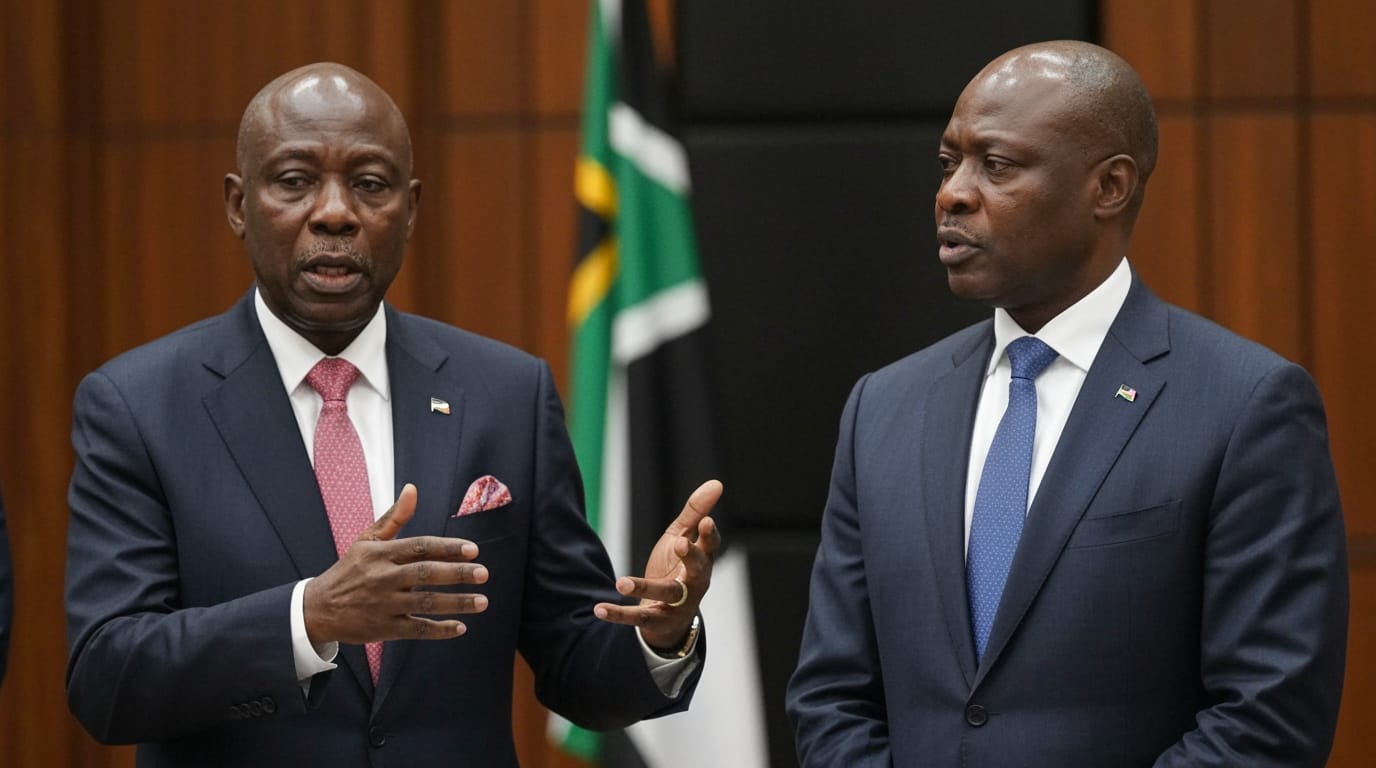
ABUJA – Nigeria has escalated its diplomatic response to a fresh wave of xenophobic violence in South Africa, officially summoning South Africa's Acting High Commissioner to Abuja for an urgent meeting. The diplomatic engagement, scheduled for Monday, May 4, comes amidst growing outrage over reports of attacks targeting Nigerian citizens and their businesses, which have reportedly led to at least two fatalities and significantly heightened tensions between the two African economic giants.
The Federal Government of Nigeria formally conveyed its "profound concern" regarding the recent incidents, stating that these developments have the potential to severely impact the established cordial relations between Nigeria and South Africa. This diplomatic summoning underscores the seriousness with which Nigeria views the escalating situation, marking a critical moment in bilateral relations already frequently tested by recurring episodes of anti-foreigner sentiment in South Africa.
Diplomatic Confrontation and Urgent Concerns
The Federal Ministry of Foreign Affairs announced on Saturday, May 2, that South Africa's Acting High Commissioner, Bobby Moroe, would be meeting with Nigerian officials at the ministry's headquarters in Abuja. The primary objective of this high-level discussion is to address the ongoing demonstrations by various groups within South Africa and the "documented instances of mistreatment of Nigerian citizens and attacks on their businesses." Kimiebi Ebienfa, Director of Public Affairs at the Federal Ministry of Foreign Affairs, emphasized the Nigerian government's awareness of the "growing discontent" among Nigerians concerning the treatment of their compatriots abroad.
This diplomatic action follows a period of heightened xenophobic tensions in South Africa over the past month. Reports indicate that at least two Nigerians, Amaramiro Emmanuel and Ekpenyong Andrew, have been killed in separate incidents linked to these anti-foreigner sentiments. Emmanuel reportedly succumbed to injuries sustained from an alleged assault by members of the South African National Defence Force, while Andrew's body was discovered in a mortuary days after his arrest in Pretoria following an altercation with metro police. These deaths have ignited widespread calls within Nigeria for accountability and protection for its citizens residing in South Africa. The Nigerians in Diaspora Commission (NIDCOM) has urged the South African government to swiftly prosecute those responsible for the attacks.
A Disturbing Pattern: Roots of Resentment
The recent attacks are not isolated incidents but rather echo a disturbing pattern of xenophobic violence that has periodically flared up in South Africa. South Africa, being the continent's most industrialized economy, has long attracted a significant number of foreign nationals, including both legal and undocumented workers from across Africa, drawn by perceived economic opportunities. However, this influx often intersects with deep-seated socio-economic challenges within South Africa itself.
The country grapples with a high unemployment rate, currently exceeding 30 percent, which fuels resentment among some segments of the local population who perceive foreign nationals as competitors for jobs and resources. This economic frustration, combined with historical and social factors, often manifests in hostility towards migrants, particularly those from other African nations. These tensions have, at different times, strained diplomatic relations not only with Nigeria but with several other African countries whose citizens have been targeted. The South African government has, on various occasions, condemned these acts, with its acting police minister recently stating that "acts of xenophobia, violence, looting, or intimidation will not be tolerated under any circumstances" and are unlawful, violating the country's constitutional values of dignity and equality.
Regional Implications and Calls for Calm
The diplomatic fallout from these incidents extends beyond Nigeria. Just a week prior to Nigeria's action, Ghana's foreign ministry also summoned South Africa's acting high commissioner in Accra over "xenophobic incidents" affecting Ghanaians. Ghana's Foreign Minister highlighted an incident where a Ghanaian legal resident in KwaZulu-Natal province was confronted and "instructed to leave South Africa and 'fix his country'." These synchronized diplomatic moves underscore a broader regional concern over the safety and rights of African citizens living and working in South Africa.
Despite the gravity of the situation and the palpable anger among its populace, the Nigerian Ministry of Foreign Affairs has implored the Nigerian public to remain calm. It reiterated the Federal Government's unwavering commitment to protecting the rights and well-being of its citizens residing in South Africa, assuring that the matter is being addressed through appropriate diplomatic channels. This appeal for calm aims to prevent any retaliatory actions that could further complicate the delicate diplomatic landscape.
Seeking a Lasting Resolution
The forthcoming meeting between Nigerian officials and South Africa's Acting High Commissioner is expected to be a crucial step in de-escalating the current crisis. While Nigeria and South Africa maintain strong economic and political ties, the recurring nature of these xenophobic incidents consistently tests the resilience of their relationship. The Nigerian government's firm stance signals a demand for concrete actions from Pretoria to protect foreign nationals and hold perpetrators accountable.
The outcome of the planned discussions will likely play a significant role in determining the immediate future of diplomatic engagement between the two nations. Beyond addressing the immediate concerns, there is an imperative for both governments to work collaboratively on long-term solutions that tackle the underlying causes of xenophobia, foster mutual respect, and ensure the safety and dignity of all residents, regardless of their nationality. The international community, particularly within the African Union, will be watching closely as these two influential nations navigate a path toward resolution, aiming to prevent further erosion of pan-African solidarity and stability.


