Odds Remain Stacked Against an African Pope Despite Shifting Demographics
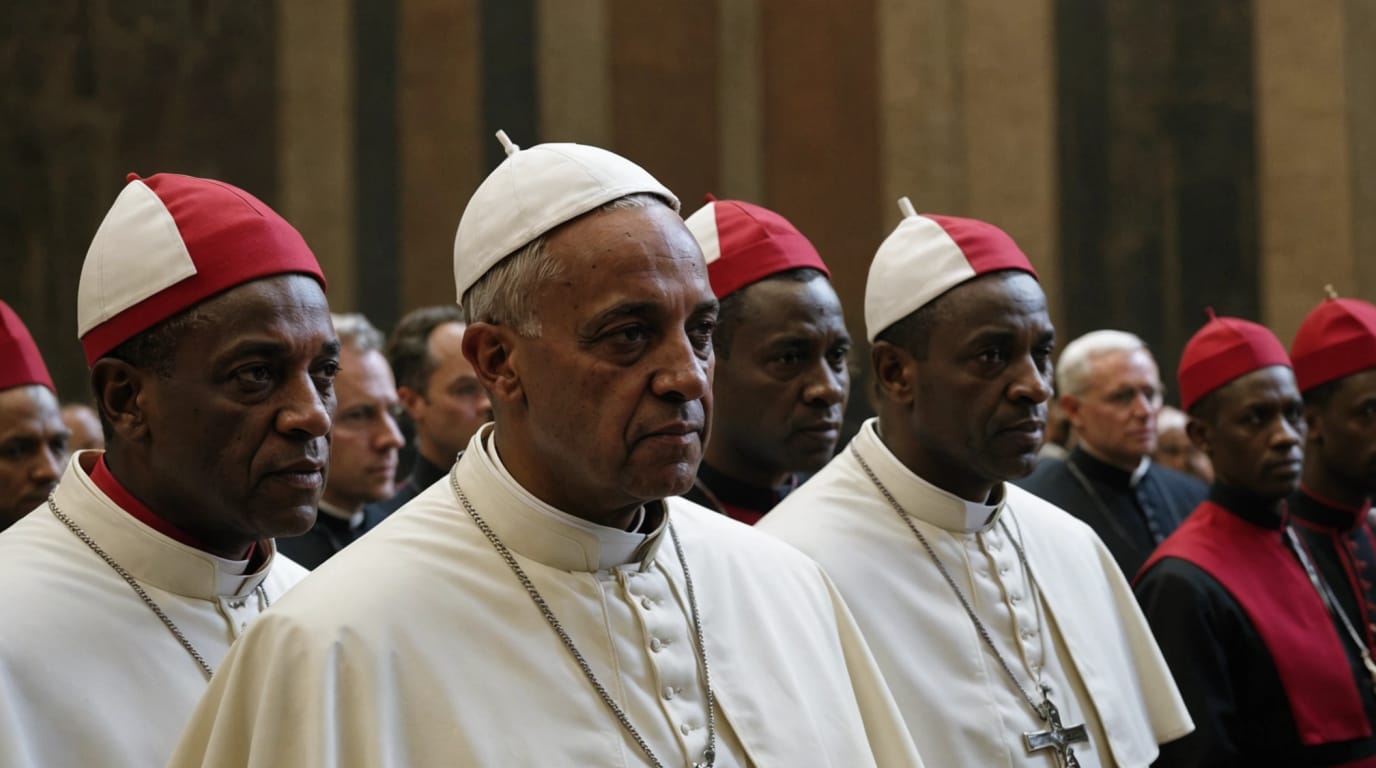
As the Catholic Church prepares for the next conclave to elect a new pope, the question of whether an African cardinal will ascend to the papacy looms large. While the Catholic population in Africa is booming, and Pope Francis has reshaped the College of Cardinals to be more representative of the Global South, significant obstacles remain for an African candidate.
The Growth of Catholicism in Africa
Christianity is experiencing unprecedented growth in Africa. The Vatican reported in October 2024 that 7,271,000 Africans joined the Catholic faith in the past year alone. In 1910, the continent had fewer than 1 million Catholics; now, the Catholic population stands at 265 million. This surge has led some analysts to argue that it is Africa's time to lead the Church.
"It is an appropriate time for the leader of the Catholic Church to come from Africa for reasons that would capture the world's imagination," said Greg Tobin, author of "The Mysteries of the Conclave." He noted the rapid growth of the Church in Africa despite opposition, persecution, and violence.
Pope Francis' Influence on the College of Cardinals
Pope Francis has significantly altered the composition of the College of Cardinals, the group responsible for electing the next pope. His appointments have resulted in a more international, less European, less curial, and more pastoral college. By reducing the percentage of cardinal electors from Europe and the Vatican bureaucracy, and increasing representation from Asia and Africa, Francis has amplified the voice of the Global South.
As of September 30, 2023, 72% of the 137 cardinal electors had been appointed by Francis. This means that the "Francis cardinals" could potentially elect a new pope even if all the other cardinals opposed the candidate. This shift marks a significant departure from previous conclaves, where European cardinals held a majority.
Potential African Candidates
Several African cardinals have been identified as potential candidates for the papacy. These include:
- Cardinal Fridolin Ambongo Besungu, 65, from the Democratic Republic of Congo (DRC): Besungu is known for his work on social justice issues and his advocacy for the poor.
- Cardinal Peter Kodwo Appiah Turkson, 76, from Ghana: Turkson has previously been considered a frontrunner for the papacy. Although he has stated he doesn't want to be the next Pope, his conservative views may appeal to some cardinals.
- Cardinal Robert Sarah, 80, from Guinea: While Sarah is a respected figure, his age makes him a less likely candidate, as cardinals over 80 are ineligible to vote in the conclave.
Obstacles and Challenges
Despite the growing Catholic population and the presence of qualified African candidates, several factors could impede the election of an African pope.
- Conservative Views: While the African Church's generally conservative stance on doctrine and sexuality might appeal to some cardinals, it could be a "turnoff" for those seeking a more progressive leader.
- Lack of Unity: Some observers believe that no single African candidate has emerged as a unifying figure capable of garnering widespread support within the College of Cardinals.
- Historical Precedent: While there have been popes from Africa in the early history of the Church, such as Victor I (189-199 AD), the papacy has been predominantly European for centuries. Overcoming this historical precedent will be a significant challenge.
- The "Middle Path": Some cardinals may seek a "middle path" candidate from Europe, such as French Cardinal Jean-Marc Aveline or Hungarian Cardinal Peter Erdo, who can bridge the gap between conservative and progressive factions within the Church.
The Conclave Process
The conclave, the process by which the new pope is elected, is shrouded in secrecy and tradition. The cardinal electors are locked away in the Vatican, and voting continues until one candidate receives a two-thirds majority. Black smoke signals a failed vote, while white smoke announces the election of a new pope.
The dynamics of the conclave are often unpredictable. As Massimo Borghesi, a philosopher at the University of Perugia, noted, conclaves often exercise a logic of their own, regardless of the preferences of the previous pope. Pope Francis, a liberal reformer, was elected by a conclave largely assembled by his conservative predecessors, Popes Benedict XVI and John Paul II.
Implications for the Church
The election of an African pope would have profound implications for the Catholic Church. It would send a powerful message of support to the developing world and acknowledge the growing importance of Africa in the global Church. It could also lead to a shift in the Church's priorities and policies, reflecting the unique challenges and perspectives of the African continent.
However, it could also exacerbate existing tensions between conservative and progressive factions within the Church. An African pope might seek to restore a more traditional approach to doctrine and social issues, potentially alienating some Catholics in the West.
Conclusion
While the possibility of an African pope has gained momentum in recent years, the odds remain stacked against it. The next conclave will be influenced by a complex interplay of factors, including the shifting demographics of the Church, the legacy of Pope Francis, and the individual preferences of the cardinal electors. Whether an African cardinal will ultimately emerge as the next leader of the Catholic Church remains to be seen, but the very fact that the question is being seriously considered represents a significant step forward for the Church's global representation.


