One Killed, Nine Injured in Kursk Oblast Drone Strike
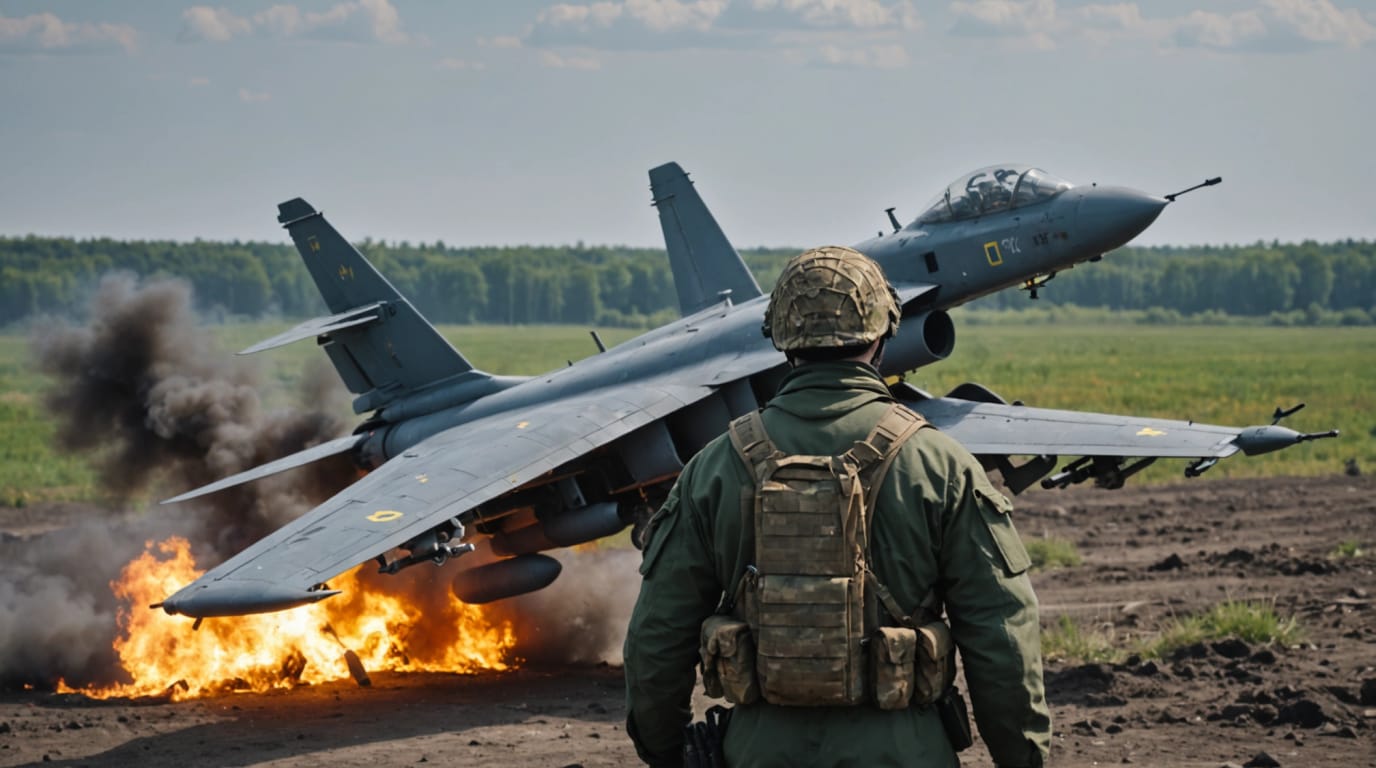
Kursk, Russia – A drone strike on a residential building in Russia's Kursk Oblast killed one person and injured nine others on Sunday, according to Russian authorities. The attack is the latest in a series of cross-border incidents as the conflict between Ukraine and Russia continues.
The Kursk region, which borders Ukraine, has been the site of increased military activity in recent months, with both sides accusing the other of carrying out attacks in the area. The ongoing conflict has led to heightened tensions and security concerns for residents living near the border.
Details of the Attack
According to reports, the drone struck a residential building in Kursk Oblast on April 14, resulting in one fatality and injuries to nine individuals. The extent of the damage to the building is still being assessed.
Rising Tensions in the Region
The attack in Kursk Oblast is part of a broader pattern of escalating tensions between Ukraine and Russia, particularly in border regions. Both countries have reported numerous drone strikes, shelling incidents, and cross-border incursions.
In March 2025, Russian forces launched a major offensive to reclaim territory in the western Kursk region from Ukrainian forces. Ukraine confirmed its withdrawal from Sudzha in Russia's Kursk Oblast in March, days after Moscow claimed its capture. The area had been a logistics hub for Ukrainian troops.
Ukrainian Offensive and Russian Response
Last August, Ukrainian forces launched an incursion into Russia's Kursk Oblast, clashing with Russian forces and border guards. A state of emergency was declared in the region, and Russian reserves were deployed. Ukraine aimed to use captured territories as bargaining chips for potential peace negotiations.
Russia has accused Ukraine of carrying out "terrorist attacks" and "large-scale provocations" in the border region. Russian officials have also claimed that Ukraine has attempted to strike the Kursk Nuclear Power Plant with drones, raising concerns about nuclear safety.
Impact on Civilians
The ongoing conflict has had a devastating impact on civilians living in the border regions. Residents have been forced to evacuate their homes due to shelling and drone attacks. The attacks have damaged residential buildings, infrastructure, and energy facilities, disrupting daily life and causing widespread fear and uncertainty.
In March, four people were killed in a Ukrainian shelling attack on a shopping center in Russia's Kursk Oblast. In the same month, a massive Ukrainian drone attack killed one person and injured three others in the Moscow region.
International Response
The international community has expressed concern over the escalating tensions between Ukraine and Russia. Various countries and organizations have called for de-escalation and a peaceful resolution to the conflict.
British Prime Minister Keir Starmer said a "coalition of the willing" of Western nations would draw up plans to help secure Ukraine "on the land, at sea, and in the sky" in the event of a peace deal with Russia.
Ceasefire Negotiations
Despite the ongoing conflict, there have been attempts to negotiate a ceasefire between Ukraine and Russia. However, these efforts have been hampered by disagreements over terms and conditions.
In March, Kyiv agreed to a 30-day ceasefire proposed by the U.S. during talks in Jeddah, after which Washington resumed military and intelligence support for Ukraine. Russia is ready to agree to the U.S.-proposed ceasefire in Ukraine but demands guarantees that Kyiv will not mobilize or train troops or receive military aid during the truce, Putin said on March 13.
Future Outlook
The situation in eastern Ukraine remains volatile, with continued fighting and cross-border attacks. The drone strike in Kursk Oblast is a stark reminder of the human cost of the conflict and the urgent need for a peaceful resolution. As the conflict drags on, the risk of further escalation and civilian casualties remains high. The international community must continue to work towards a diplomatic solution that addresses the underlying causes of the conflict and ensures the safety and security of all those affected.


