Orthodox Easter in Germany: A Celebration of Faith and Tradition
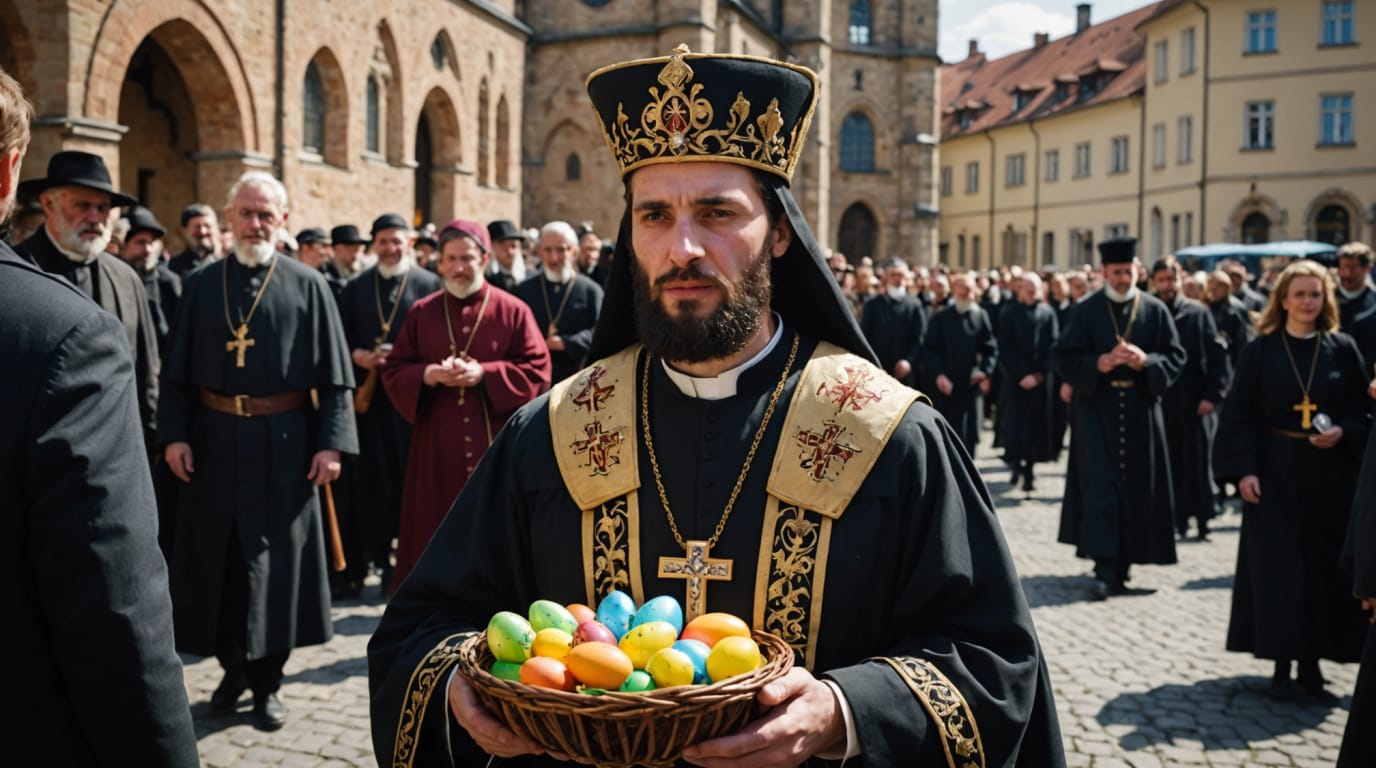
While much of the Western Christian world celebrated Easter on April 20th, 2025, for Orthodox Christians in Germany, Easter, or Pascha, is a time of unique traditions and deep spiritual significance. With a growing Orthodox population in Germany, primarily due to immigration from Eastern Europe, the celebration of Pascha reflects a vibrant and diverse expression of faith within the country.
A Different Calendar, A Different Date
The most apparent difference between Orthodox Easter and the Western Christian Easter lies in the date of celebration. Orthodox churches continue to adhere to the Julian calendar for calculating the date of Pascha, while most Western churches follow the Gregorian calendar. This difference in calendars often results in Orthodox Easter falling one to two weeks later, typically between April 4 and May 8. In rare instances, the dates align, as they do this year. The Julian calendar is based on the solar cycle, established by Julius Caesar in 45 B.C., before being replaced by the Gregorian calendar. The Orthodox Easter date is always nearer to the March equinox because it is observed on the first Sunday following the first full moon after Passover.
The Orthodox Church also adheres to the rule that Pascha must always take place after the Jewish Passover to maintain the biblical sequence of Christ's Passion. Western churches do not always observe this requirement, which can lead to Western Easter occurring before or during Passover.
Traditions and Observances
The celebration of Orthodox Easter in Germany is rich in traditions, many of which are shared across different Orthodox jurisdictions, including the Russian Orthodox Church, the Serbian Orthodox Church, the Greek Orthodox Church, and the Romanian Orthodox Church.
Paschal Vigil: A central event is the Paschal Vigil, held on Holy Saturday, the day before Easter. This vigil often extends late into the night, culminating in a midnight service that marks the beginning of the Easter celebration.
Candlelight Procession: A moving tradition involves a candlelight procession, where worshippers, holding lit candles, walk around the church, symbolizing the light of Christ's resurrection overcoming the darkness of death.
The Paschal Greeting: A distinctive feature of Orthodox Easter is the Paschal greeting: "Christ is Risen!" The response is "Indeed He is Risen!" This greeting is exchanged among believers throughout the Paschal season, reinforcing the central message of the resurrection.
Feasting: Following the midnight service, families gather for a festive meal, breaking the Lenten fast. Traditional foods often include roasted lamb, symbolizing Christ as the Lamb of God, and Easter bread, a sweet, rich bread that varies in recipe across different cultures.
Red Eggs: A common tradition involves dyeing eggs red, symbolizing the blood of Christ shed on the cross. These eggs are often cracked against each other, with the person whose egg remains intact said to have good luck.
The German Context
While maintaining their unique traditions, Orthodox Christians in Germany also integrate into the broader cultural context. Many German Easter traditions, such as decorating eggs and Easter trees, are also embraced by Orthodox families.
Easter Egg Trees: Drawing from German tradition, Orthodox families may decorate Easter trees with painted eggs, similar to Christmas trees. This practice adds a festive and colorful element to the celebration.
Easter Bonfires: In some regions of Germany, Easter bonfires are a traditional way to mark the end of winter. While not exclusively an Orthodox tradition, these bonfires can be a part of the broader Easter celebrations in communities with Orthodox populations.
A Growing Faith
The Orthodox Church has a significant presence in Germany, with estimates of up to 2 million adherents, making it the third-largest Christian denomination in the country. This growth is largely attributed to immigration from Eastern European countries, including Romania, Greece, Russia, and Serbia. Cities like Berlin, Munich, and Hamburg have become centers of Orthodox life, with numerous churches and parishes serving the diverse communities.
The presence of various Orthodox jurisdictions in Germany reflects the rich tapestry of Orthodox traditions. Each jurisdiction maintains its own liturgical practices, languages, and cultural expressions, contributing to the diversity of Orthodox Christianity in the country.
Ecumenical Dialogue
Orthodox churches in Germany actively participate in ecumenical dialogues with other Christian denominations, fostering understanding and cooperation. They have been involved in the Council of Christian Churches in Germany (ACK) and maintain bilateral relations with the German Bishops' Conference and the Evangelical Church in Germany (EKD), addressing theological issues and promoting Christian unity.
Challenges and Opportunities
Despite its growth and integration, the Orthodox Church in Germany faces certain challenges. Maintaining the traditions and languages of diverse communities while integrating into German society requires effort and resources. Ensuring the religious education of young people and fostering a sense of belonging within the church are also important considerations.
However, the Orthodox Church in Germany also has significant opportunities. Its growing presence provides a chance to share the richness of Orthodox spirituality and culture with a wider audience. Its commitment to ecumenical dialogue can contribute to building bridges between different Christian traditions and promoting understanding in a diverse society.
Conclusion
Orthodox Easter in Germany is a testament to the enduring power of faith and tradition. While observing unique customs and adhering to a different calendar, Orthodox Christians in Germany celebrate the resurrection of Christ with joy and devotion. Their growing presence enriches the religious landscape of Germany, contributing to its cultural diversity and fostering dialogue within the Christian community. As they exchange the Paschal greeting, "Christ is Risen!," they affirm the central message of hope and renewal that lies at the heart of the Easter celebration.